

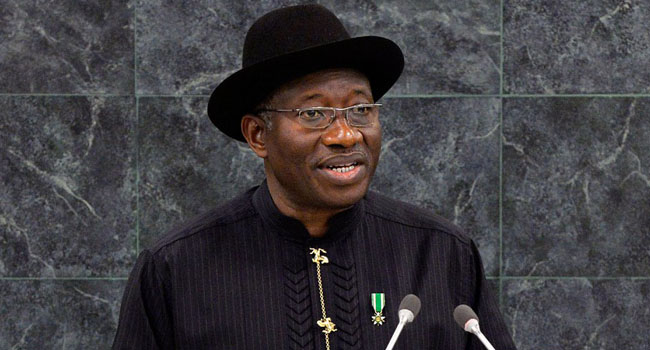
Former President Goodluck Ebele Jonathan has called for the introduction of new rules to regulate the movement and political activities of governors, ministers and other senior government officials during governorship elections.
Jonathan made the call while commending the Independent National Electoral Commission (INEC), security agencies, political parties and residents of Osun State for the peaceful conduct of the governorship election.
However, the former president expressed concern over the growing practice of serving governors, senior government officials and political party leaders converging on states where elections are being conducted, often accompanied by large numbers of aides and security personnel from their respective states.
He said the trend witnessed during the Osun, Ekiti and Ondo governorship elections should not become normal in a democratic system, warning that it could create fear, intimidation and undue pressure on politicians and voters.

Jonathan recalled that similar situations occurred during the 2013 Anambra and 2014 Ekiti elections when he was president. He said he directed senior political leaders and government officials to leave the states during the elections.
He warned that allowing the practice to become widespread could further intensify political competition and turn elections into contests for power rather than opportunities for citizens to freely choose their leaders.
READ ALSO: Adeleke Has Reached Out to Opposition, Calls for Unity to Move Osun Forward — Spokesperson
According to him, the issue goes beyond Osun State, as it concerns the future and credibility of Nigeria’s democracy.
Jonathan therefore urged the National Peace Committee to convene a stakeholders’ meeting involving INEC, political parties, security agencies, the National Assembly, the Nigerian Bar Association, the Nigeria Governors’ Forum, civil society organisations and the media.
He said such a dialogue would help establish clear boundaries and guidelines for political activities during elections before practices considered unacceptable today become the norm tomorrow.


