

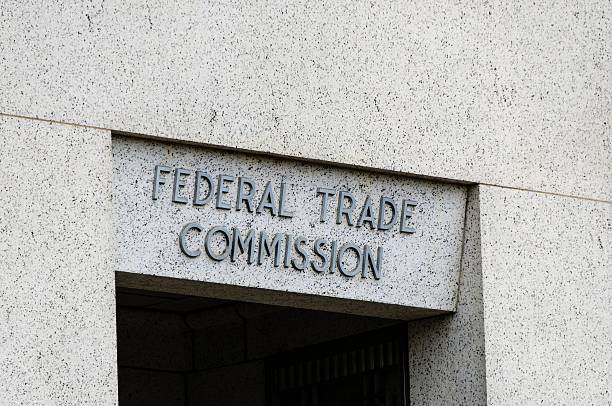
The Federal Trade Commission (FTC) has imposed a ban on Avast, the antivirus giant, prohibiting the sale of users’ web browsing data to advertisers.
Avast has settled charges with the FTC, agreeing to pay $16.5 million to address the concerns raised by the improper sale of user data.
Despite Avast’s claims of prioritizing user privacy, the FTC accused the company of engaging in a “bait-and-switch” tactic that compromised users’ privacy.
Avast allegedly collected online browsing habits through its browser extensions, promising protection by blocking online tracking cookies.
The antivirus company is said to have sold consumers’ browsing data, including sensitive information like religious beliefs, health concerns, political leanings, and location, through its subsidiary Jumpshot.
Over a hundred companies, including Google, Yelp, Microsoft, Home Depot, and McKinsey, reportedly purchased this data, generating tens of millions of dollars for Avast.
Vice News and PCMag uncovered the data-selling practices of Jumpshot, leading to Avast’s decision to close the subsidiary.
At the time of the investigation, Avast boasted over 430 million active users globally.
Interestingly, Avast had merged with Norton LifeLock in an $8.1 billion deal in 2021, becoming part of the parent company Gen Digital, which also owns CCleaner.
Despite disagreements with the government’s allegations, Avast expressed satisfaction in resolving the matter.


