

The Borno State Government has announced the reintegration of about 8,000 former Boko Haram insurgents and their families into society, describing the rehabilitation programme as 75 percent successful.
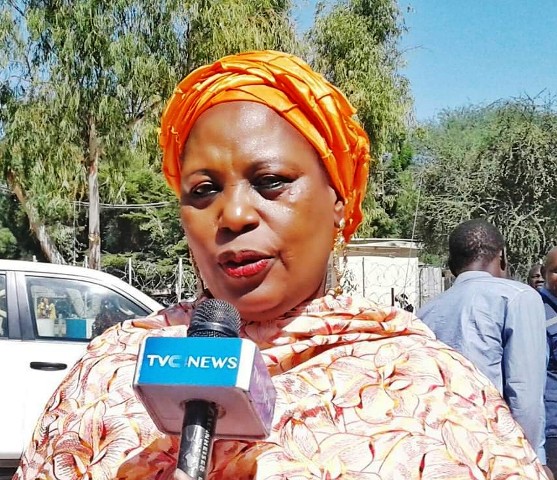
The Commissioner for Women Affairs and Social Development, Zuwaira Gambo, disclosed this during a briefing in Maiduguri on Saturday, stating that the initiative has become a key part of the state’s peace-building and recovery strategy following the mass surrender of insurgents in the North-East.
According to Gambo, the surrender of thousands of former insurgents created a major humanitarian and security challenge, prompting Governor Babagana Umara Zulum to establish structured mechanisms for rehabilitation and reintegration.
“We have integrated about 8,000 or thereabout,” Gambo said, noting that many of those who surrendered were not frontline fighters but logistics providers and support personnel within insurgent camps. She added that most of those arriving at rehabilitation centres were women and children dealing with trauma, gender-based violence, mental health issues and limited exposure to formal society.
To aid recovery, the government deployed trained social workers and set up temporary schools, healthcare facilities and vocational training centres. Vulnerable groups, including widows, orphans, the elderly and persons living with disabilities, were reportedly separated for specialised care before being reunited with their families and communities.
The initiative, known as the “Borno Model,” differs from the military-led Operation Safe Corridor by focusing on community-based reintegration with the involvement of traditional rulers, religious leaders and local organisations.
However, the programme has drawn criticism from legal experts, civil society groups and victims of insurgency. President of the Nigerian Bar Association, Afam Osigwe, warned that reintegrating former insurgents without addressing victims’ grievances could create resentment and insecurity.
Human rights lawyer Maxwell Opara has also filed a suit at the Federal High Court in Abuja seeking to stop further reintegration of repentant insurgents without prosecution, arguing that it undermines the rule of law.
Despite concerns, Borno officials insist the programme is yielding positive results, though funding remains a major challenge. The state reportedly spent N4.3 billion on livelihood support for former insurgents in 2025, amid criticism over conditions faced by displaced victims still living in camps.
The government says it will continue expanding the programme, stressing that long-term peace in the region depends on rehabilitation, trauma healing and social reintegration of those who have abandoned insurgency.


