

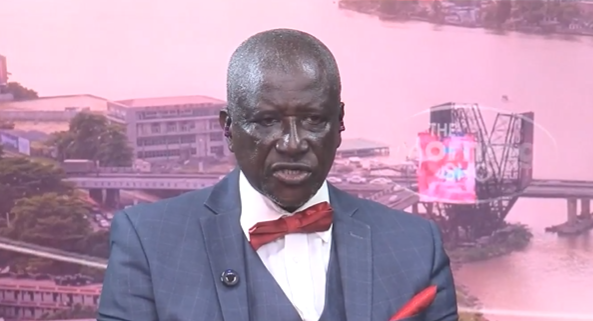
A Senior Advocate of Nigeria, Oba Maduabuchi, has said the Independent National Electoral Commission’s request for political parties to submit their membership registers is constitutional, given the commission’s powers to organise, undertake and supervise elections.
Maduabuchi stated this while commenting on the recent Supreme Court decision concerning the powers of INEC and the obligations of political parties under the electoral law.
He argued that the provisions of the law requiring political parties to submit their membership registers to INEC should be interpreted alongside the constitutional powers vested in the commission.

According to him, INEC cannot effectively organise or supervise party primaries and elections without knowing the membership of the political parties involved.
“We must interpret the decision of the Supreme Court vis-à-vis the provisions of the Constitution, which give INEC the power to organise, undertake and supervise elections,” SAN said.
He added, “If INEC must organise elections and the law says give them your membership register, I don’t think there’s anything unconstitutional about that.”
The SAN further argued that requiring political parties to submit their registers ahead of their primaries was necessary to enable INEC to carry out its statutory responsibilities.
Maduabuchi maintained that INEC remained the body responsible for conducting elections in Nigeria and, therefore, needed access to relevant information from political parties to perform its duties.
READ ALSO: Resident Doctors Threaten Strike, Give FG 14-Day Ultimatum to Meet Demands
He, however, noted that INEC’s access to party membership registers should not be interpreted as giving the commission the power to determine who belongs to a political party.
He also said political parties should conduct their processes for selecting candidates openly, whether through direct primaries or consensus.
“When you want to select or however, whatever you call it, your candidates, do it openly so that everybody will see what you have done, either directly or by consensus,” Maduabuchi said.
He maintained that the Supreme Court’s position, as he understood it, was limited to ensuring transparency in the electoral process and allowing INEC to perform its constitutional responsibilities.


