

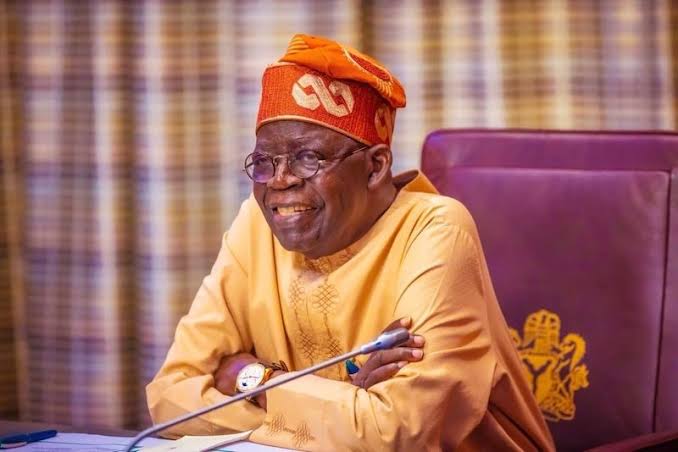
President Bola Tinubu’s economic reforms are facing growing criticism as Nigerians continue to struggle with higher food, transport, housing and energy costs more than three years into his administration.
The removal of the petrol subsidy and changes to the foreign exchange system were introduced as measures to fix longstanding economic problems. The government has also pursued tax reforms, tighter monetary policies and banking sector changes.
Supporters argue that the reforms were necessary to restore fiscal stability, boost government revenue and attract investment. Critics, however, say the immediate burden on households and businesses has been too severe.
The News Chronicle reports that economists and business operators are increasingly calling for stronger measures to cushion Nigerians from the effects of the reforms, particularly through improved social protection, cheaper credit and policies that can bring down the cost of basic necessities.
Economist Muda Yusuf said the government must address the cost of living crisis, while Olu Olajemgbesi argued that the speed and sequencing of the reforms created significant pressure on an economy heavily dependent on imports.
Business owners have also complained about rising operating costs, while students and low income households say higher transportation and food prices have sharply reduced their purchasing power.
The government maintains that it inherited major economic distortions, including fuel subsidies, an inefficient foreign exchange system, a weak oil sector and a narrow tax base.
The central question now is whether the promised long term benefits will reach ordinary Nigerians quickly enough to ease the hardship created by the reforms.


