

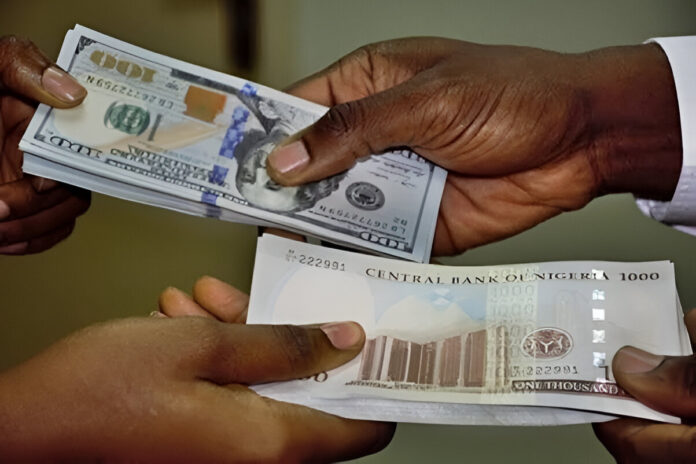
Growing concerns over immigration enforcement in the United States is beginning to shape how some Nigerians abroad send money home, raising concerns about potential pressure on Nigeria’s foreign exchange inflows.
The unease comes from recent deportations, including a few Nigerians, and fresh hard language around immigration policy. Many migrants report that the current climate has made them more hesitant to move substantial amounts across borders, even when no law prohibits such transfers.
Many Nigerians residing in California, Texas, and New Jersey reported that they are either splitting transfers into smaller amounts or deferring significant payments altogether. Those with the appropriate paperwork say they are reluctant to highlight high-value transactions due to increased scrutiny.
The News Chronicle understands that, although there has been no official constraint on legitimate transfers, discussions about tighter enforcement and measures targeting outbound remittances have unsettled some members of the diaspora community.
Nigeria’s most stable foreign-currency source remains remittances. Data from the World Bank indicate that, with the United States making up a major portion, the country received over 20 billion dollars in personal remittances in 2024.
Analysts caution that even a slight decline in remittance volumes could strain foreign reserves and harm households reliant on diaspora remittances for education, healthcare, and small businesses.
The effect is behavioral for the time being, not governmental; however, extended uncertainty may have more general economic ramifications.


