

The United States government has slammed sweeping sanctions on eight Nigerians over alleged links to terrorist networks, including Boko Haram and the Islamic State of Iraq and the Levant (ISIL), freezing their assets and blocking access to financial systems under US jurisdiction.
The measures were unveiled in a voluminous 3,000-page document released by the US Treasury Department’s Office of Foreign Assets Control (OFAC) as part of its updated Specially Designated Nationals and Blocked Persons (SDN) List — Washington’s blacklist of individuals and entities subject to economic sanctions.
According to the report, several of the sanctioned individuals were designated for terrorism-related activities, while others were cited for alleged involvement in cybercrime and security threats.
The action follows mounting pressure from the US Congress, which had earlier called for visa restrictions and asset freezes against individuals and groups accused of religious persecution and violations of freedom of worship in Nigeria.
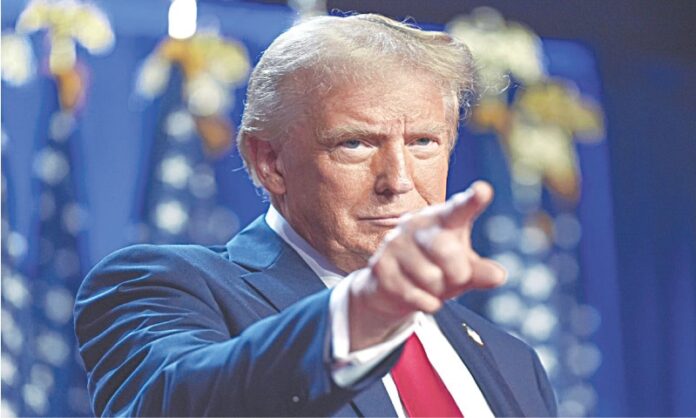
Former US President Donald Trump had previously placed Nigeria on the list of Countries of Particular Concern over religious freedom issues, intensifying scrutiny of developments in the country.
Under Executive Order 13224, a key counterterrorism authority, those named now face asset seizures, financial isolation, and a near-total ban on dealings with US persons or institutions.
Among those sanctioned is Salih Yusuf Adamu, also known as Salihu Yusuf, born August 23, 1990, who was previously convicted in the United Arab Emirates alongside five others in 2022 for establishing a Boko Haram financing cell.
The group was found guilty of attempting to channel $782,000 from Dubai to support insurgent operations in Nigeria.
Also listed is Babestan Oluwole Ademulero, born March 4, 1953, identified under multiple aliases including Wole A. Babestan and Olatunde Irewole Shofeso, and designated for terrorism-related activities.
Another figure, Abu Abdullah ibn Umar Al-Barnawi, also known as Ba Idrisa and reportedly born between 1989 and 1994 in Maiduguri, Borno State, was similarly flagged under terrorism sanctions.
Abu Musab Al-Barnawi, also referred to as Habib Yusuf and identified as a Boko Haram leader, was listed with varying birth years between 1990 and 1995.
In a separate designation tied to cybercrime enforcement, Nnamdi Orson Benson, born March 21, 1987, was sanctioned under the CYBER2 programme for alleged cyber-related offences.
The sanctions effectively block assets belonging to individuals within the US’s reach and prohibit American citizens, companies, and financial institutions from conducting transactions with them, a move aimed at cutting off funding pipelines and dismantling support networks linked to terrorism and transnational crime.


