

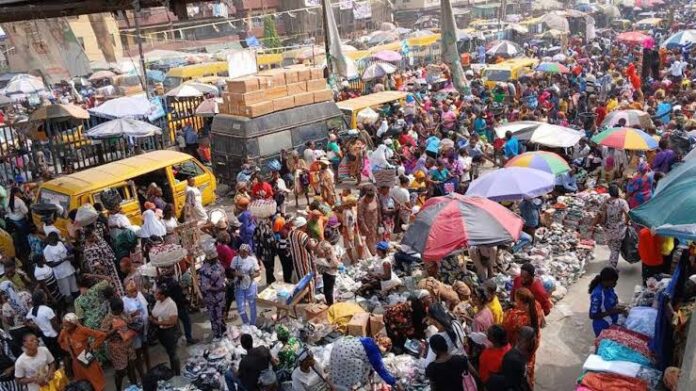
The United Nations Development Program has expressed concerns over the prevalence of global poverty as 1.2 billion people are living in multidimensional deprivation, with Nigeria being among the countries that have recorded a rise in poverty levels in the 2020s.
According to the 2026 Multidimensional Poverty Index (MPI) report by the UN Development Program (UNDP) and the Oxford Poverty and Human Development Initiative, the number of people living in severe deprivation increased by 51.5 million, representing the first increase since the index’s launch in 2010.
An estimated 617 million children are living in multidimensional poverty, while 83% of people in multidimensional poverty live in rural areas.
The News Chronicle reports that the index measures deprivation in health, education, and living standards instead of income.
The Administrator of the UNDP, Alexander De Croo, described the increase as a wake-up call after noting the overlap of several deprivation areas, including hunger, missing out on education, and lack of access to clean water and electricity.
The report covers 108 developing countries and indicates that even though there has been an increase in multidimensional poverty at a global level, some countries have made significant improvements.
Out of the 89 countries that reported comparable data, 33 countries registered a decline of at least half in the MPI score in less than 15 years.
The trends in Nigeria remain a cause for concern as the World Bank recently reported in April 2026 that the country’s poverty rate rose from 56% in 2023 to 63% in 2025, signifying that nearly 140 million Nigerians are living below the poverty line.
The 2026 World Bank report on poverty in Nigeria indicates that the rise in the incidence of poverty is attributed to rising living costs over residents’ ability to raise their income levels alongside lower agricultural output.
The data comes as the United Nations seeks to halve global poverty by 2030.


