

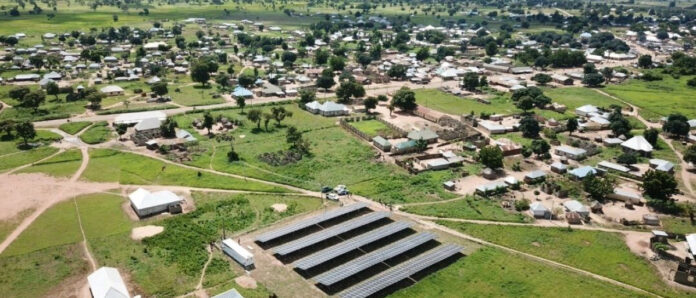
The United Nations (UN) has recognised Nigeria’s rural electrification programme as a successful example of expanding electricity access through targeted subsidies and private-sector investment.
The recognition is contained in the World Social Report 2026, released by the UN Department of Economic and Social Affairs (UN DESA).
The report identified Nigeria’s electrification project as an example of how developing countries could improve access to affordable energy for underserved populations.
Citing earlier World Bank data, the UN said the programme supported the establishment of 125 mini-grids and the sale of more than one million solar home systems.
According to the report, the interventions provided electricity access to more than five million Nigerians and supported the creation of over 5,000 green jobs.
It described Nigeria’s use of subsidies for rural mini-grids as a successful policy approach that combined affordable electricity with private-sector participation.
The report explained that targeted financial support could reduce electricity costs for low-income households while encouraging investment in communities with limited access to power.
The UN also identified Nigeria and Ghana as pioneers in integrating solar panels into agricultural land, an approach that enables farmers to generate electricity while continuing to produce food on the same land.
According to the report, combining renewable energy with agriculture could strengthen food security, improve water management and create additional economic opportunities in rural communities.
Beyond electrification, the report assessed Nigeria’s performance using a framework that measures economic transformation alongside social inclusion.
Nigeria recorded a transformation score of 44.30 and an inclusiveness score of 56.36, resulting in a combined index score of 100.67.
READ ALSO: China Calls for Global Cooperation to Advance Traditional Medicine
The assessment formed part of a comparative analysis of 168 countries, examining economic, digital, energy and social development between 2000 and 2024.
The UN emphasised that economic growth and technological advancement did not automatically guarantee that vulnerable populations would benefit from development, underscoring the need for inclusive policies that improve living standards across society.


 has recognised Nigeria’s rural electrification programme as a successful example of expanding electricity access through targeted subsidies and private-sector investment.)