

China has called for stronger international cooperation, technological innovation and equitable access to traditional medicine to address emerging global health challenges.
Chinese Premier Li Qiang made the call at the World Conference on Traditional Medicine 2026 in Beijing, emphasising the need to preserve ancient medical knowledge while harnessing scientific advancements.
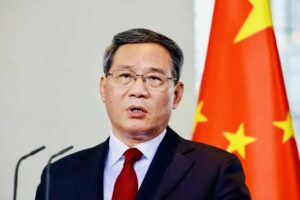
He said traditional medicine remained an important resource for protecting human health, preserving cultural heritage and strengthening friendship among nations.
According to him, traditional medicine represents centuries of accumulated knowledge and continues to complement modern medicine through its distinctive diagnostic methods and therapeutic practices.
Li noted that traditional medicine systems reflected the cultural identities of their societies, offering valuable insights into the relationship between nature, health and communities.
He added that international exchanges in traditional medicine had historically contributed to medical knowledge, improved healthcare practices and promoted mutual understanding among peoples.
Highlighting China’s experience, the premier described Traditional Chinese Medicine (TCM) as a vital component of Chinese civilisation and an important contributor to the development of traditional medicine globally.
He said China had established the world’s largest traditional medicine system, supported by coordinated policies covering clinical practice, research, industrial development and professional training.
Li explained that the country was combining the preservation of classical medical knowledge with modern science and technology to improve treatment outcomes and broaden the application of traditional medicine.
He disclosed that TCM institutions accounted for about one-tenth of medical institutions in China, while nearly all medical institutions offered TCM services.
The premier also highlighted the importance of preventive healthcare, affordable treatment and holistic approaches, noting that traditional medicine had distinctive strengths in addressing various health needs.
According to him, TCM had expanded its reach to 196 countries and regions, a development he attributed partly to China’s openness to international cooperation, investment and knowledge-sharing.
Li urged countries to harness artificial intelligence, modern biomedicine and digital technologies to accelerate research, improve diagnostic methods and develop evidence-based treatments from traditional remedies.
He also called for stronger international partnerships, protection of intellectual property, conservation of medicinal resources and mutual recognition of professional qualifications to promote the sustainable development of traditional medicine.
The Chinese premier urged the international community to implement the World Health Organisation’s Global Traditional Medicine Strategy 2025–2034, integrate appropriate traditional medicine services into national healthcare systems and strengthen support for developing countries.
He reaffirmed China’s commitment to reducing global health inequalities through inclusive cooperation, while rejecting zero-sum approaches to international relations.
Li drew parallels between traditional medicine’s emphasis on balance and holistic treatment and the need for inclusive global economic governance, arguing that countries could not achieve lasting prosperity in isolation.
READ ALSO: Plateau Crash Claims Father, Son as Three Others Suffer Injuries
He urged world leaders to embrace compassion, peaceful coexistence and collective responsibility, stressing that international cooperation remained essential to protecting human health and advancing global prosperity.
The World Conference on Traditional Medicine 2026 brings together stakeholders to discuss the development of traditional medicine, scientific advancements and international cooperation in the sector.


