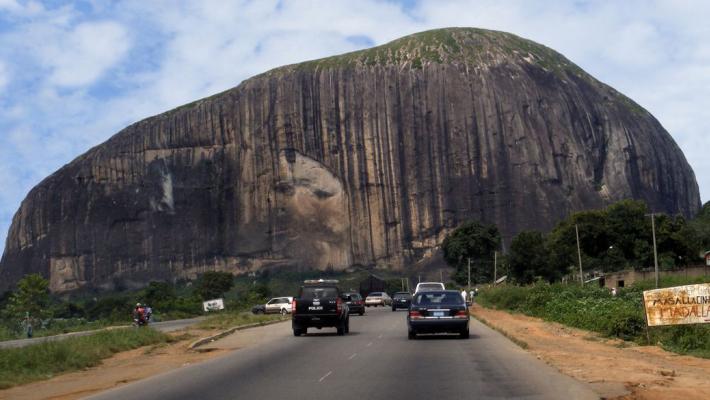
Despite being strongly associated with Nigeria’s capital, Zuma Rock is actually located in Madalla, Niger State, along the Abuja–Kaduna highway. Its closeness to Abuja is why many people mistakenly think it belongs to the FCT.
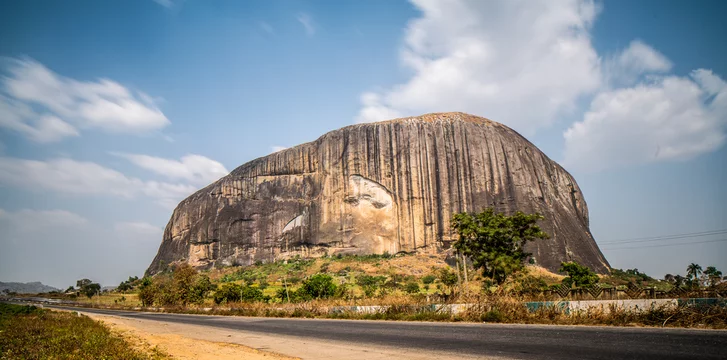
The Koro people reportedly called the rock “Zumwa” or “Ezumwa ba,” which was associated with a place for catching guinea fowl. The name was later shortened and pronounced: “Zuma.”
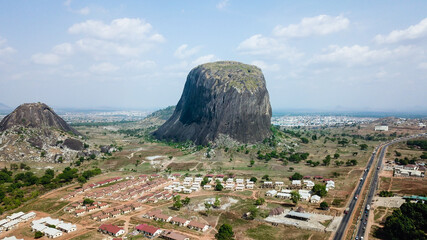
Zuma Rock is an enormous natural monolith, rising roughly 725 meters above sea level, making it one of Nigeria’s most recognizable geological landmarks.
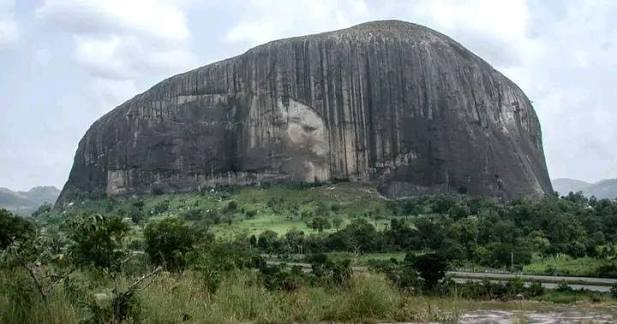
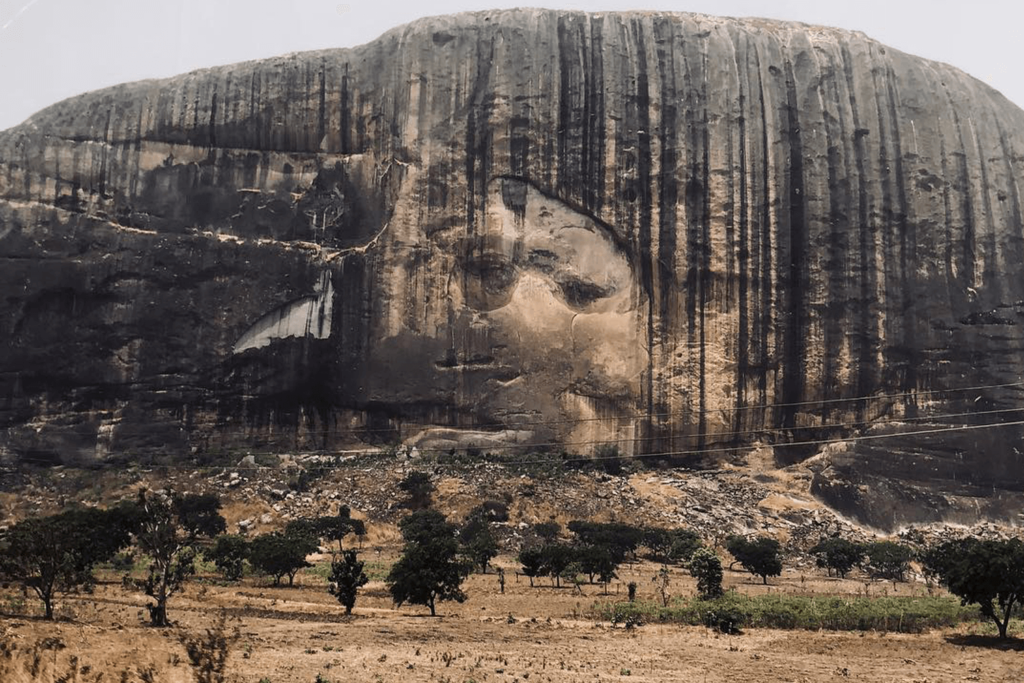
The famous face-like formation on Zuma Rock was not carved by humans. Its eyes, nose, and mouth-like features resulted from natural weathering and erosion over a very long period.
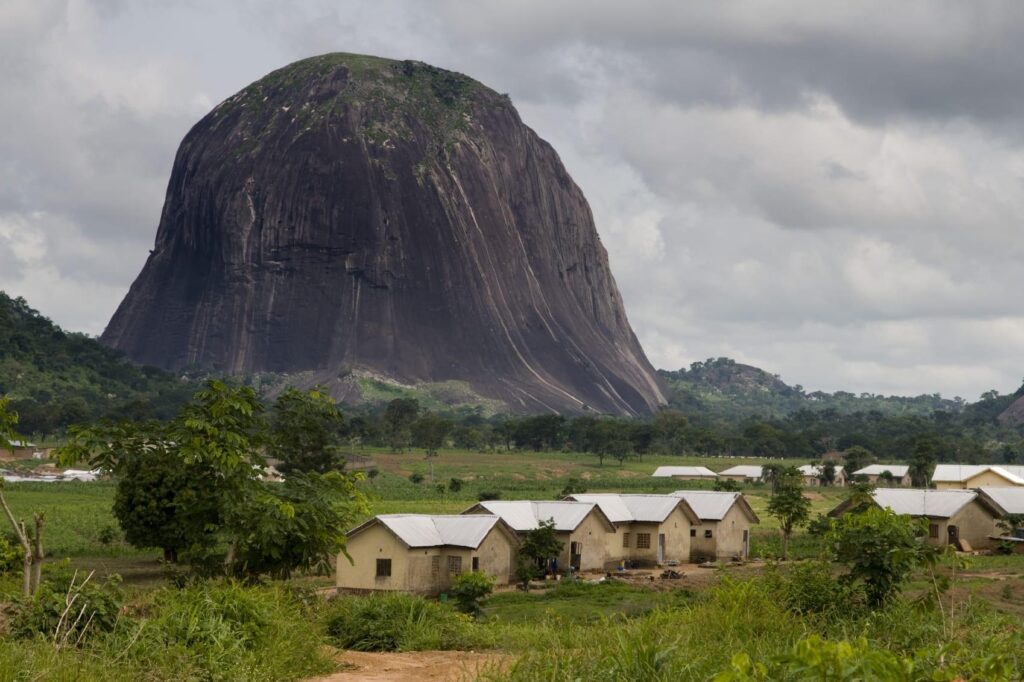
Zuma Rock was reportedly used by the Gbagyi/Gwari people as a defensive retreat during inter-tribal conflicts. Its massive size and difficult terrain made it a strategic refuge.
There is a legend that the rock could “see” danger
Local tradition holds that the face-like depressions on the rock were regarded as eyes capable of detecting approaching danger. According to the legend, warnings were communicated through oracles. This is a cultural belief, not a scientific claim.
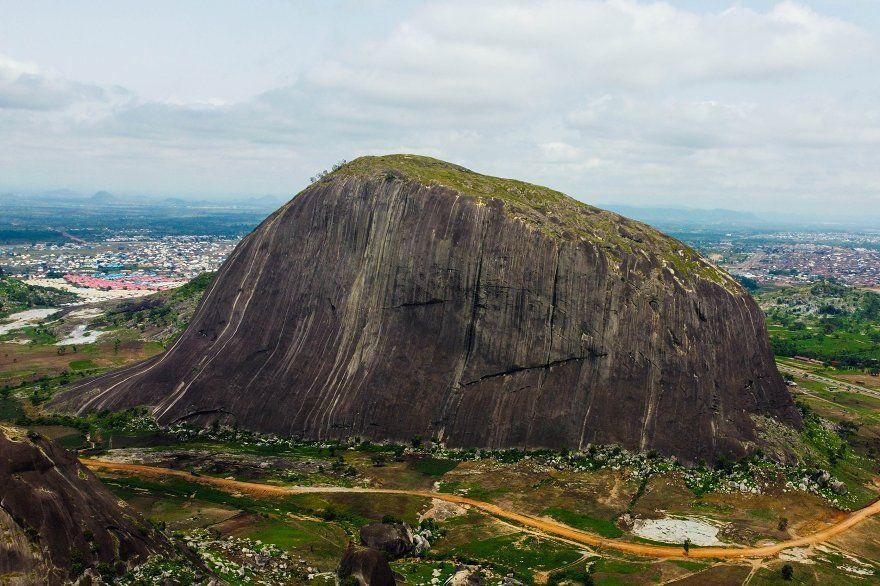
Zuma Rock is an inselberg, a solitary rock formation rising dramatically above its surroundings. Geological sources describe its composition as including gabbro and granodiorite.
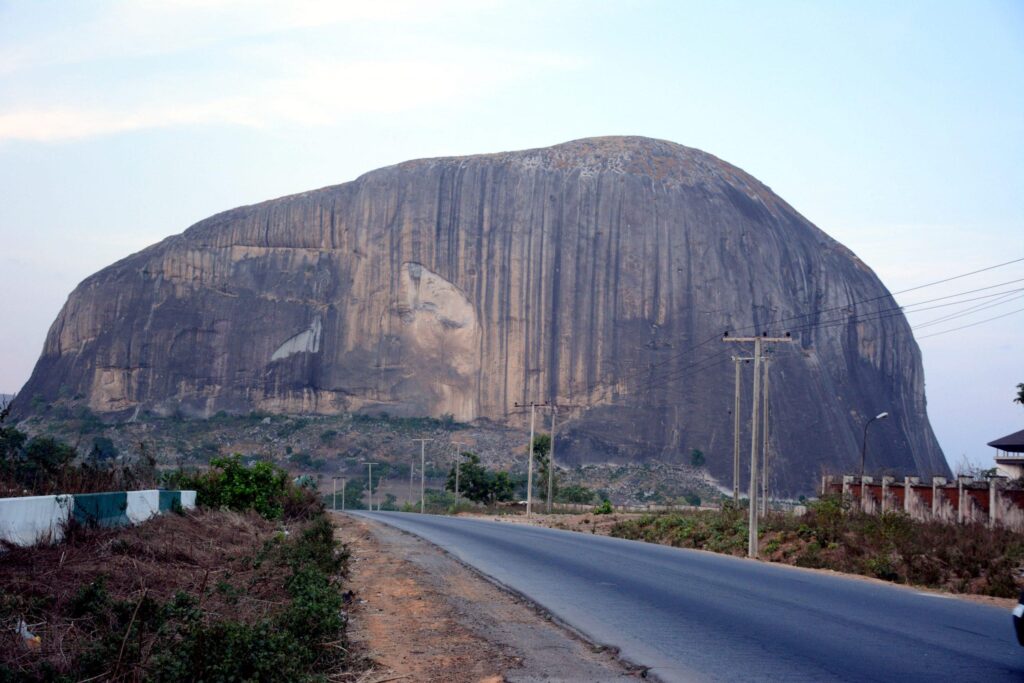
The vertical grooves visible on parts of Zuma Rock were formed by weathering and the repeated flow of rainwater down its exposed surfaces.
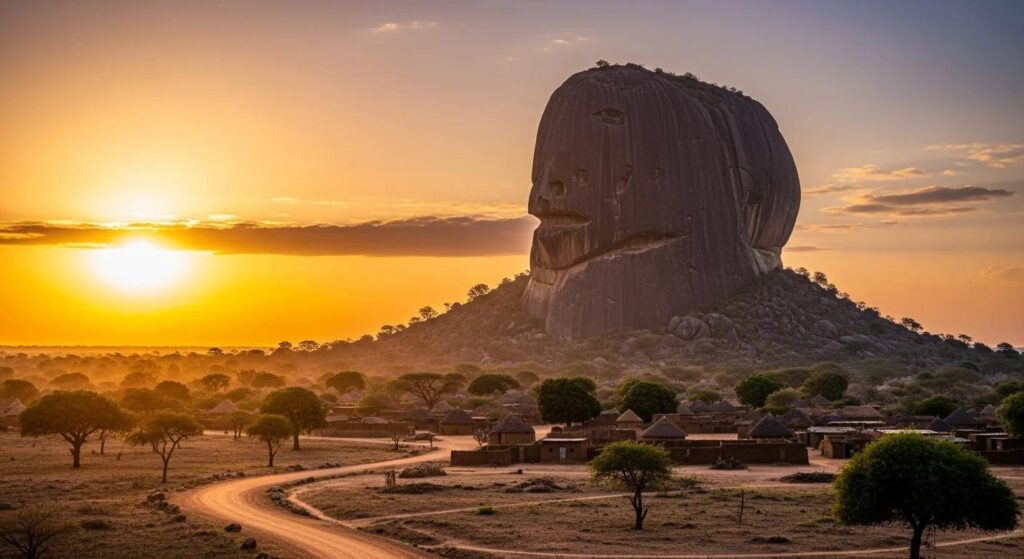
There is a popular story that Zuma Rock catches fire during the rainy season. But the apparent flames can be a visual effect caused by sunlight reflecting off the wet, dark rock surface.

Zuma Rock became so iconic that it was featured on the ₦100 banknote, turning the natural landmark into a familiar symbol for millions of Nigerians.
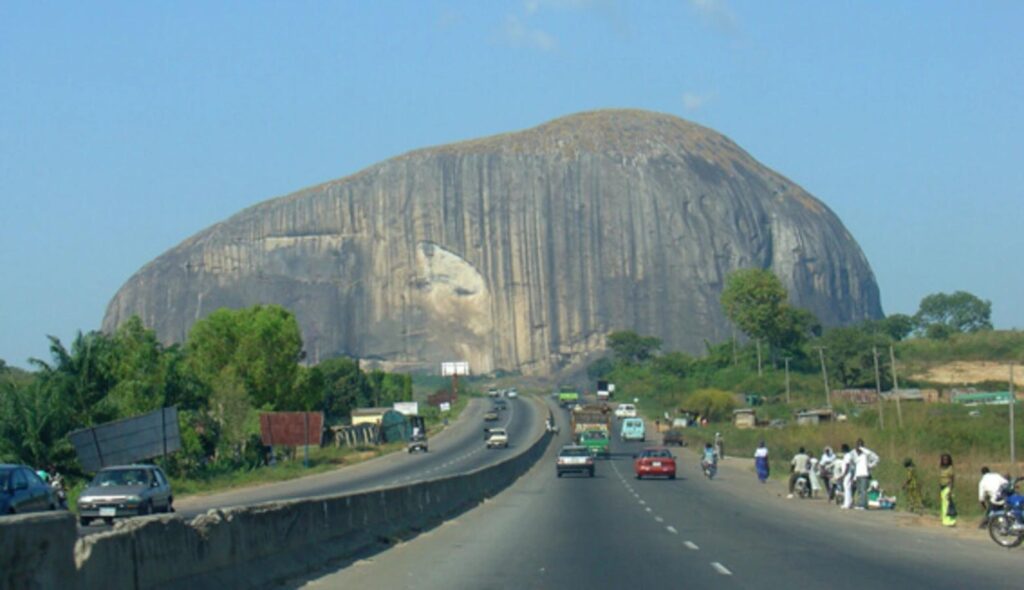
Because of its prominent position along the major route between Abuja and Kaduna, Zuma Rock is often described as the “Gateway to Abuja from Suleja.”
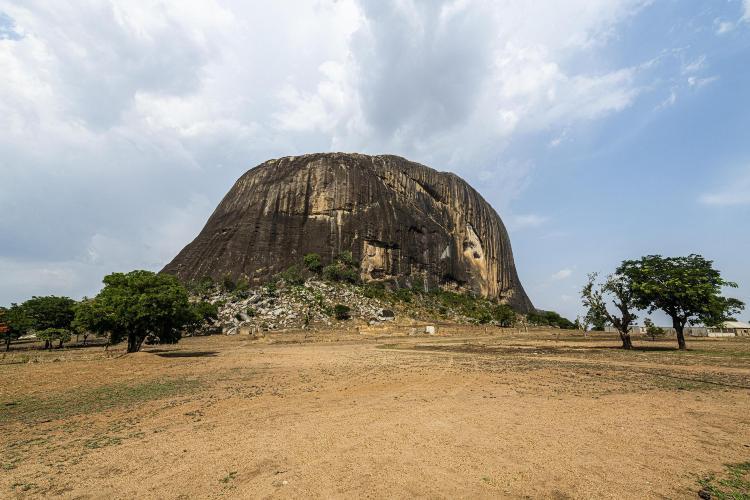
Zuma Rock has accumulated generations of stories about spirits, sacred places and hidden settlements around it. Some accounts describe traditional priests and rituals associated with the surrounding area. These stories belong to local oral traditions and should not be presented as established historical or scientific facts.
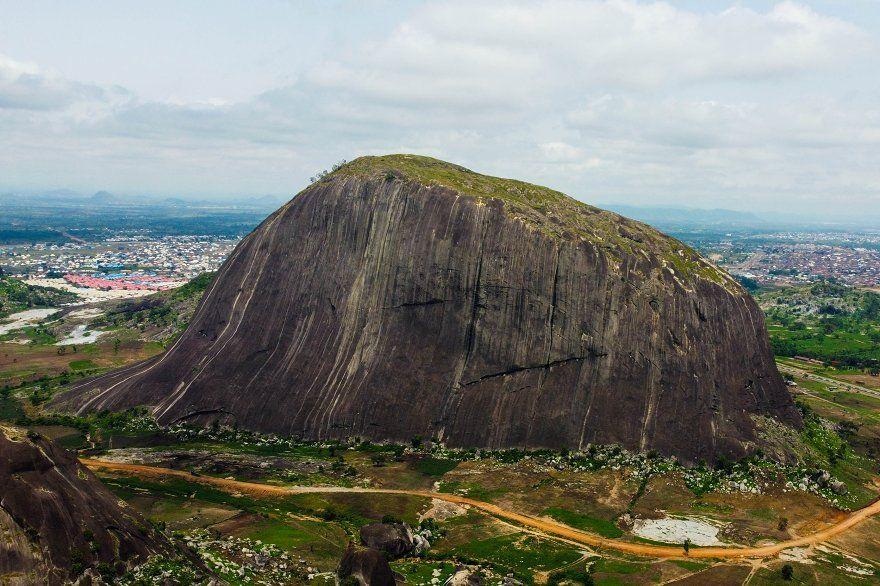
Zuma Rock is not just tall—it is also massive in width, with a reported circumference of about 3.1 kilometers. Its huge footprint helps explain why the monolith dominates the surrounding landscape.