

Shikrot Mpwi – Sunday Synopsis
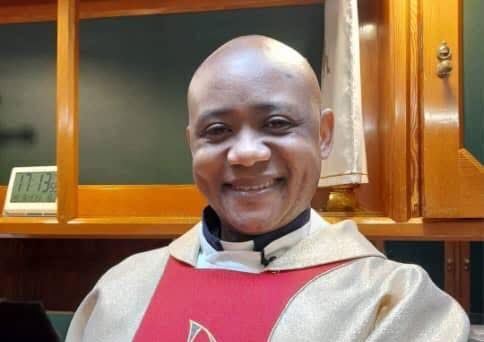
Fr. Justine John DYIKUK
Dear friends in Christ,
On the Second Sunday of Lent, Year A (1 March 2026), I bring you greetings and God’s blessings!
Theme: Arise, Fear Not!
Introduction
Beloved in Christ, from Russia to Ukraine, Israel to Palestine, America to Iran, the sound of violence fills the air. Even in a country like Nigeria, dozens of communities are being overrun by Jihadists. Amidst this violence, Jesus says: “Arise, Fear Not.” The first reading shows how Abram overcame fear to follow God’s call into an unknown land. St. Paul, in the second reading, encourages Timothy to endure hardships for Christ. The Gospel recounts the fear experienced by Peter, James, and John during the transfiguration.
Review of the Readings
The first reading (Gen 12:1-4A) focuses on Abram’s courageous response to God’s call to leave his father’s house for an unknown destination. By taking this leap of faith, he trusts that God has a greater plan for him. God promises to make him a great nation, bless him, and ensure that “all the tribes of the earth shall bless themselves in you.”
In the second reading (2nd Tim 1:8B-10), St. Paul urged Timothy to endure hardships for Christ and to rely on God’s power, who has saved us and called us to holiness by His grace. Paul proclaimed that Jesus’ appearance abolished death and revealed life and immortality through the Good News.
The gospel passage (Matthew 17:1-9) vividly describes the transfiguration of Jesus on Mount Tabor. Jesus took his closest disciples—Peter, James, and John—up the mountain, where he transformed before them, his face shining and his clothes dazzling white. In this moment, Moses and Elijah appeared and spoke with him. Peter suggested building three tents for them. Then a bright cloud enveloped them, and a voice declared, “This is my Son, the Beloved; listen to him.” The disciples, filled with fear, fell to the ground, but Jesus reassured them, saying, “Arise, do not be afraid.” When they looked up, they saw only Jesus. As they descended the mountain, he instructed them not to tell anyone about the vision until the Son of Man had risen from the dead.
Takeaway Lessons
1. In a society where many young people are caught up in the web of astrology, horoscope or zodiac signs to know their fate, we are challenged to imitate Abram, who took the risk to go to an unknown destination by taking a leap of faith, trusting that the will of God will not take us where his grace cannot sustain us.
2. By saying, “Arise, do not be afraid,” Jesus encourages us to be bold through the Holy Spirit, whose presence transformed His clothes to dazzling white, helping us overcome fear and confront life’s challenges.
3. Like the apostles Peter, James, and John, Jesus calls us to leave our comfort zone of sin and complacency for a divine encounter with him, who is the fulfillment of the law and the prophets, as attested to by the appearance of Moses and Elijah.
4. Rather than trusting in our wimps and caprices, we are urged to emulate the apostles who trusted the Father’s voice, reminding us of our baptism and confirmation, and preparing us for divine encounters.
5. The Church is that mountain where the Lord meets us and, through the epiphany of the seven sacraments, changes our worldview into a civilisation of love that transforms the world.
Conclusion
Amidst security challenges and tough economic conditions, we find strength in Jesus’ words: “Arise, do not fear.” Paul’s assurance that Jesus will return and abolish death and proclaim life through the Good News. The presence of Moses and Elijah inspires us to dedicate our minds, souls, and bodies to God’s worship. As heirs of the kingdom, may we commit to listening to God through scripture, prayer, and the guidance of our priests and neighbours. May we confidently hear Him say at the end of time, saying: “These are my children, the Beloved; they enjoy my favour.”


