

Scientists at Rutgers University in the United States have developed a new type of plastic designed to break down naturally after use, in an effort to reduce long-term plastic pollution in the environment.
The research, led by Dr Yuwei Gu, an assistant professor in the Department of Chemistry and Chemical Biology at Rutgers, was published in the journal Nature Chemistry. The team created plastics that can be programmed to degrade within a chosen period, ranging from a few days to several years, depending on how they are made.
The development is based on copying features found in natural materials such as DNA, RNA, proteins and cellulose. These natural polymers break down over time, while conventional plastics remain in the environment for decades. The researchers introduced similar chemical structures into synthetic plastic to allow them to decompose under normal conditions.
“Biology uses polymers everywhere, such as proteins, DNA, RNA and cellulose, yet nature never faces the kind of long-term accumulation problems we see with synthetic plastics,” Gu said.
The team demonstrated the method on poly(dicyclopentadiene), a strong plastic commonly used in car bumpers and farm equipment. Using the new chemical process, the material began to break down within 18 hours when left in open air at room temperature.
The key to the method is adjusting how chemical groups are arranged inside the plastic. This allows the researchers to control when the plastic begins to degrade and how fast it happens. Some materials are designed to break down automatically, while others can be triggered using ultraviolet light or metal ions.
“By controlling their orientation and positioning, we can engineer the same plastic to break down over days, months or even years,” Gu said.
The researchers say the technology could be used in areas such as food packaging, where short product life is required, as well as in medical applications including drug delivery systems and temporary coatings.
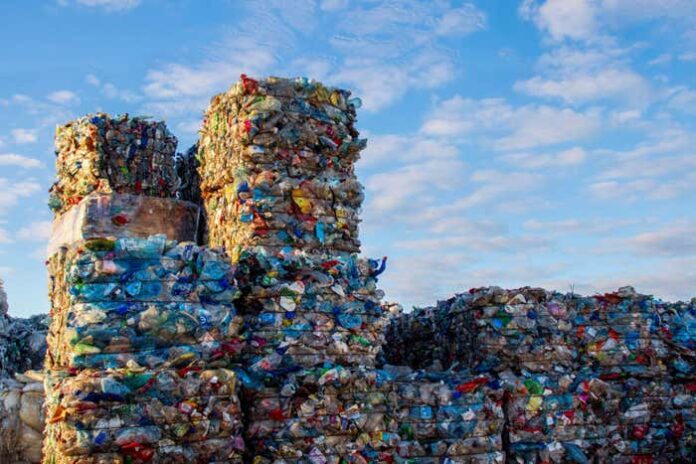
According to figures cited in the report, more than 250 million tonnes of plastic were discarded globally in 2022, with only about 14 per cent recycled. Most of the remainder was buried or burned.
Early laboratory tests suggest that the liquid produced when the plastic breaks down is not toxic. However, Gu noted that further studies are needed to confirm that the broken-down materials are safe throughout their entire life cycle.
The team is now examining whether the small fragments created during degradation may be harmful to the environment or living organisms. They are also working to improve the material so it can break down without light exposure, which is currently needed to begin the process.
“Our strategy provides a practical, chemistry-based way to redesign these materials so they can still perform well during use but then break down naturally afterward,” Gu said.


