

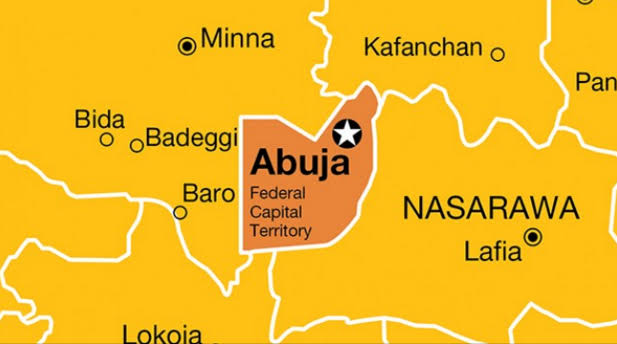
Some residents of Gwagwalada Area Council in the Federal Capital Territory (FCT) have identified familiarity and vigilance among neighbors as essential factors for enhancing security, safety and peaceful coexistence within communities.
The residents made the submission in interviews with the News Agency of Nigeria (NAN) on Tuesday in Abuja amid growing concerns over security challenges across the country.
They said familiarity among neighbors often provided support during emergencies, promoted community safety and strengthened social bonds that helped residents respond collectively to security threats.
The residents also noted that knowing what their neighbors did for a living helped reduce suspicion and fear of criminal activity within residential communities.
They, however, observed that busy lifestyles, religious differences and other social barriers continued to affect interactions and relationships among residents in many neighborhoods.
Mr Abraham Kolade, a resident, said maintaining cordial relationships with neighbors had significantly contributed to his family’s sense of security and wellbeing.
“I am familiar with some of my neighbors. We share basic things like water, have conversations and, when I know I will be late, I can leave my children with them until I return.
“Knowing you have good neighbors makes you feel safe in your environment,” he said.
Kolade added that neighbors often served as informal security networks, watching over homes and alerting residents to suspicious activity when necessary.
“If they notice any suspicious activity in my house while I am away, they could raise an alarm, and not just that, it is wise to know where each other works or what business they are involved in.
“This is important because some evil could be going on in a house near you and you might not know until it is too late. Basically, one needs to be vigilant,” he said.
He, however, noted that behaviors such as excessive noise, smoking and disregard for shared spaces could sometimes strain relationships among neighbors and affect community harmony.
Similarly, Miss Emelda Adanna said familiarity among residents had improved vigilance and strengthened security within her neighborhood, making it easier to access support during emergencies.
“If I return home late and the estate gate is locked, I can contact a neighbor I am familiar with to help me,” she said.
Adanna identified lack of interaction among residents as a major obstacle to building strong neighborhood relationships and fostering a greater sense of community responsibility.
“Many people do not take the initiative to introduce themselves when they move into a new environment; some see it as unnecessary, while others are simply too busy to familiarise.
“Residents need to interact more with each other. Something as simple as greeting people regularly can help build relationships that could help you in ways unimaginable.
“Especially when it comes to security matters; you need to know who you are dealing with, what they do, who lives with them and all that.
“Too much evil is going on around us, and we might be too ignorant until we fall victim,” she said.
Also speaking, Mr Nicholas Samuel said knowing one’s neighbors played an important role in promoting peaceful coexistence, trust and mutual support among community members.
“Knowing your neighbors goes a long way in promoting peaceful coexistence and helping one another when the need arises,” he said.
Samuel observed that religious and social class differences sometimes discouraged interaction among residents, limiting opportunities to build stronger neighborhood ties and cooperation.
“Some people find it difficult to mingle with those of other faiths. Social class differences can also discourage interaction, as some people feel others are not on their level,” he said.
He recalled that the warm reception he received when he moved into his current residence created a family-like atmosphere that encouraged interaction and helped him settle quickly.
However, not all residents enjoy close relationships with their neighbors.
Mr Boniface Adejoh, a businessman, said that although he recognized the importance of knowing his neighbors, his busy schedule often made such relationships difficult to establish and maintain.
“I do not know most of my neighbors. We usually meet only when there are issues involving electricity, water supply, security or other community concerns.
“It is important to know your neighbors, but many people leave for work early and return late. Even on weekends, some are unavailable, making it difficult to build relationships,” he said.
Adejoh added that religious and cultural practices could also limit interaction among neighbors in some communities and hinder efforts to build stronger social connections.
He suggested that community leaders should organize more neighborhood activities to encourage interaction among residents, improve vigilance, and help identify strangers in their communities.
He also emphasized the need to expand security awareness and strengthen cooperation among residents to enhance safety and peaceful coexistence.
SOURCE: NAN


