

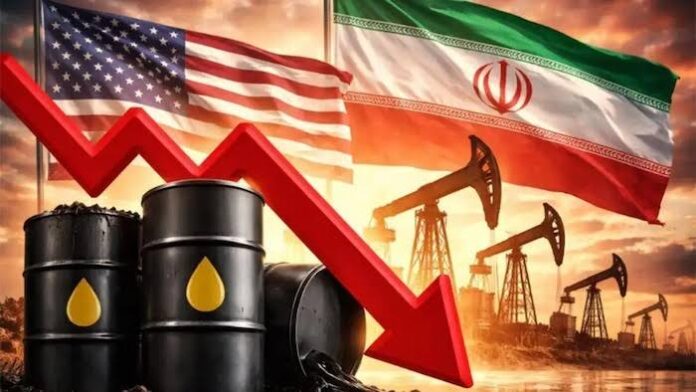
Global oil prices fell sharply on Monday after renewed hopes of diplomatic talks between the United States and Iran eased fears of prolonged supply disruptions in the Middle East.
Brent crude fell around 7 percent to $82 per barrel after U.S. President Donald Trump suggested that he was open to halting the military strike to deescalate tensions.
The News Chronicle reports that Nigerian crude prices , which were above $85 per barrel, also declined due to reduced pressure on the Strait of Hormuz.
The strait is a shipping route for global oil trade, and its reopening will likely result in increased supply to global refineries and lower geopolitical premium in crude oil prices.
Meanwhile, the evelopment may have mixed effects on the Nigerian economy. The decline in prices may affect oil revenues and the value of the naira.
On the other hand, cheaper oil will result in lower costs for refinery operators and downstream firms, leading to lower petrol prices, reducing transportation costs, and ultimately lower inflation.
If Middle Eastern supplies return fully to the market while production from countries such as the United States, Brazil and Guyana continues rising, oil prices could face further downward pressure.


