

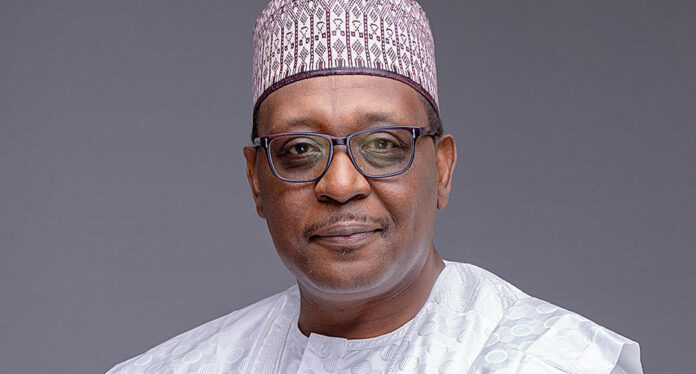
Traditional and religious leaders are not just custodians of culture and faith, they are the heartbeat of Nigeria’s communities, and according to the Coordinating Minister of Health and Social Welfare, Prof. Muhammad Pate, they remain indispensable pillars in the nation’s quest for a healthier population.
Speaking in Abuja ahead of the 2026 Nigerian Traditional and Religious Leaders Summit on Health, Pate made it clear that when it comes to healthcare delivery, government cannot go it alone. In a country where trust is currency and influence flows from the palace and the pulpit, these leaders are the bridge between policy and the people, he said.
“Traditional and religious leaders are so vital in our country that we also have to engage them for the roles they have played in immunisation and maternal health.”
Their footprints, he noted, are already etched deeply in Nigeria’s health landscape, from mobilising communities for vaccination drives to championing maternal care. With moral authority and grassroots presence, they are uniquely positioned to turn health campaigns into household conversations.
Pate stressed that the ministry’s reform agenda is anchored on trust, shared responsibility and inclusive participation. After all, health decisions often begin around the family table.
When respected community figures speak, families listen — whether it is about antenatal visits, childhood immunisation, or choosing facility-based delivery over risky alternatives.
He pointed out that these leaders are often the community’s early warning system, noting that “if there is an outbreak, the traditional or religious leader may be the first to know.” Harnessing such proximity, he said, would tighten communication loops, sharpen accountability and fine-tune government strategies to reflect grassroots realities.
The minister recalled how traditional institutions played a decisive role in the country’s 2025 integrated vaccination campaign, helping it reach more than 60 million children. Like town criers of old, they rallied families, dispelled myths and ensured no child was left behind.
Their continued involvement, Pate added, will be critical in the fight against Tuberculosis, HIV and malaria, as well as in strengthening Nigeria’s broader health security architecture.
The upcoming summit will also witness the unveiling of the second cohort of the National Health Fellows Programme, an initiative designed to deepen engagement at the community level.
According to Pate, the fellows will collaborate closely with traditional rulers to “take the message out” and drive community-led health improvements nationwide.
Beyond local partnerships, discussions at the summit will spotlight the Nigeria-U.S. health collaboration and a five-year Memorandum of Understanding supporting HIV, TB and malaria interventions. However, Pate sounded a note of urgency on domestic responsibility.
“The health of Nigerians is the responsibility of Nigerians. We cannot depend on external actors forever for diseases that affect our people,” the minister said.
With plans underway for a gradual wind-down of U.S. support after the current funding cycle, he emphasised the need to strengthen homegrown health financing mechanisms.
Pate disclosed that President Bola Tinubu approved the summit as a platform to cement collaboration, deepen understanding of national health strategies and entrench collective accountability across all levels of government.
He reaffirmed that “traditional and religious leaders are among the most influential voices in communities, and their role is essential to sustaining whatever we do.”
Echoing that sentiment, Co-chair of the Health Development Partners Group, Ms. Fatima Zanna, pledged strong backing from development partners.
She described the engagement with traditional and religious institutions as providing “an in-road into what is happening in the community,” enabling more evidence-driven health programming.
Zanna hailed the forthcoming gathering as “a very welcome endeavour,” expressing optimism that it would further strengthen community ownership and accelerate progress toward better health outcomes nationwide.


