

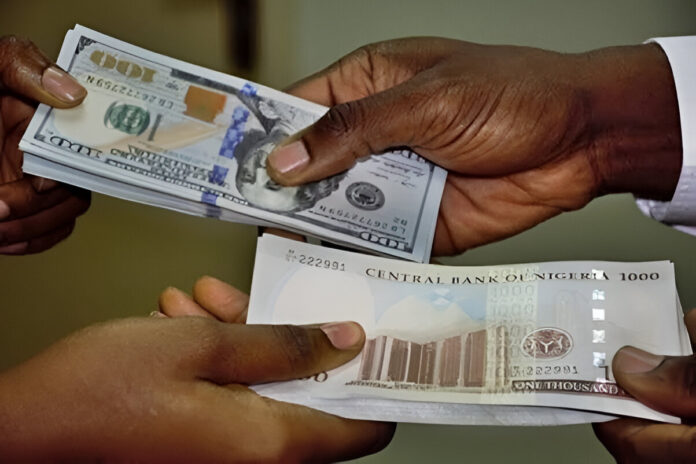
Nigeria’s currency came under fresh pressure on Tuesday, weakening to N1,389 against the dollar as external reserves dropped by about $850 million within three weeks, according to data from the Central Bank of Nigeria.
Trading activity showed the naira fluctuating between N1,381 and N1,390 during the session, with an average rate of N1,386.3, pointing to mild but persistent strain in the foreign exchange market. Interbank activity remained steady, with 71 deals recorded and turnover exceeding $48 million.
The News Chronicle understands that the recent dip in reserves, which fell to $49.18 billion between March 11 and April 2, signals a reversal from earlier gains that had lifted Nigeria’s buffer to a 13-year high. Market watchers say the decline is beginning to test confidence, especially as demand for foreign exchange remains firm.
Global developments also shaped sentiment, with easing tensions between the United States and Iran weakening the dollar and lifting major currencies, including the euro, pound, and yen.
The shift followed a ceasefire announcement by Donald Trump, which helped calm earlier fears around supply chain disruptions.
Despite the global dollar softness, analysts say Nigeria’s position remains vulnerable. Recent moves by OPEC+ to adjust output levels and shift oil market dynamics continue to influence inflows, adding another layer of uncertainty for the naira.


