

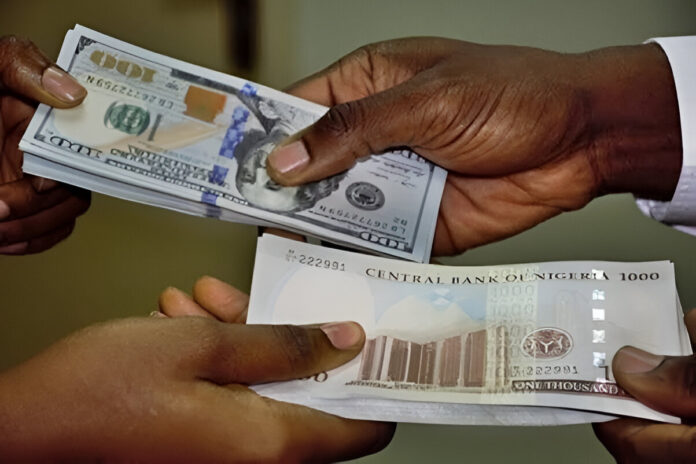
Official market data from the Central Bank of Nigeria show that the naira improved more against the euro, finishing at N1,577.3 per euro on February 19, 2026.
The most recent statistics show that gains registered since the beginning of the year have continued to rise steadily month to date at about 4.6 per cent.
Supported by stronger foreign exchange supply and tighter demand management, the local currency has firmed by more than 6 per cent at the official window since early January.
Rising to about 48.37 billion dollars by mid-February, gross external reserves have reinforced the nation’s external cushion from 45.50 billion dollars at the end of 2025.
Along with larger oil receipts and growing diaspora remittances, more apex bank interventions, including FX sales to authorised banks and bureau operators, have stabilised the market.
Lower fuel import costs, driven by increased local refining capacity, have also reduced pressure on dollar demand.
In contrast, the euro trades at the parallel market above N1,600, with rates in Lagos ranging from N1,640 to N1,680 – clearly divergent from official and street sectors.
The euro has weakened against the dollar worldwide due to strong United States figures and diminishing chances of immediate rate cuts.
The naira’s recovery against the European currency appears more evident in relative terms as the dollar index rises, even as investors keep an eye on upcoming US inflation data for fresh direction.


