

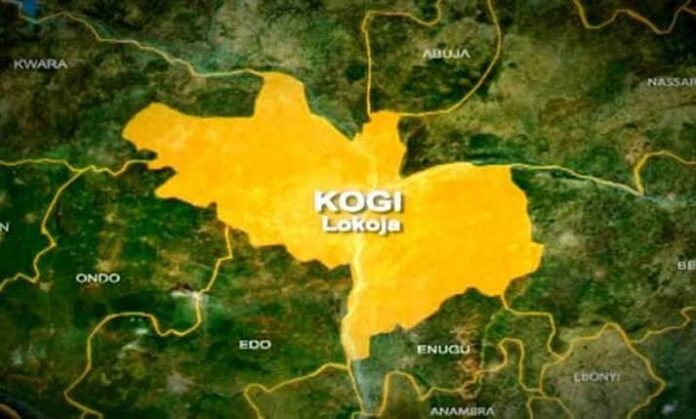
Kogi State Government has proposed an N8.55 billion social investment package aimed at supporting 281,750 beneficiaries across the state’s 21 Local Government Areas (LGAs).
The state Commissioner for Finance, Budget and Economic Planning, Asiwaju Asiru Idris, disclosed this in a statement issued on Thursday in Lokoja.
Idris, who also chairs the Kogi State Commissioners’ Forum, said the proposed package covered various Disbursement-Linked Indicators (DLIs) aimed at strengthening social protection and improving livelihoods.
The interventions include social cash transfers, livelihood support, climate-smart public works, community infrastructure, agricultural inputs and expansion of the State Social Register.
Under the Social Cash Transfer Unit (SCTU), DLI 1.1 is expected to support 5,000 beneficiaries across the 21 LGAs at an estimated cost of N1.237 billion.
Another SCTU component, DLI 1.3A, will target 15,000 beneficiaries through livelihood support programs, with a projected cost of N2 billion, Idris said.
He added that the Labour-Intensive Public Works (LIPW) component under DLI 1.5A would engage 3,400 beneficiaries across the state.
The climate-smart public works program is estimated to cost N1.088 billion, according to the commissioner.
Idris said the Community and Social Development Agency (CSDA), through DLI 1.4A, would support basic services and community infrastructure.
The program is expected to provide support to communities across the 21 LGAs at an estimated cost of N2.072 billion, he said.
Under the FADAMA component, covering DLI 2.1 and DLI 2.3, the government plans to support 7,350 beneficiaries with agricultural inputs and assets at an estimated cost of N1.854 billion.
The State Operations Coordinating Unit (SOCU), through DLI 4.1 and DLI 4.2, is expected to reach 250,000 beneficiaries by expanding the State Social Register across the 21 LGAs.
Idris said the expansion of the register would cost an estimated N300.55 million.
He said the proposed interventions would strengthen social protection, improve livelihoods among vulnerable households, create climate-smart employment opportunities, support agricultural activities and expand access to basic community infrastructure across Kogi State.


