

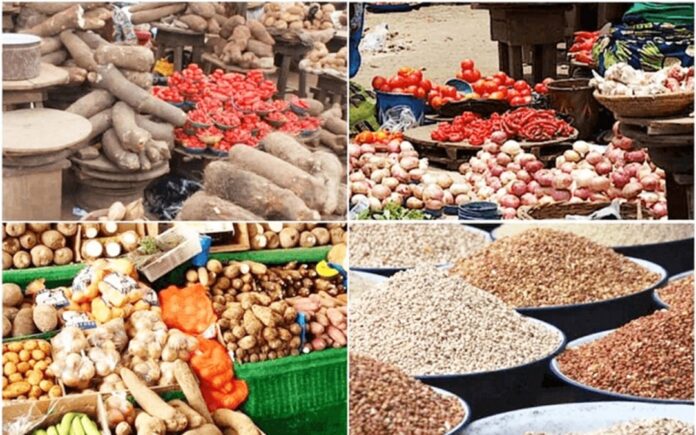
Nigeria’s food import bill climbed sharply in the third quarter of 2025, rising 25 percent to N1.1 trillion, even as food prices continued to soften nationwide ahead of the Christmas season, official data has shown.
Figures from the National Bureau of Statistics reveal that agricultural imports rose from N882.24 billion in the same period last year, reflecting increased reliance on foreign food supplies to moderate inflation and ease pressure on household budgets. While consumers are benefiting from lower prices, analysts say the surge in imports is squeezing local farmers who are struggling to make profits.
The News Chronicle gathered that the sustained inflow of imported food has become a short term buffer against soaring living costs, but it is also reshaping domestic market dynamics by weakening demand for locally produced staples.
NBS data shows that the average price of local rice fell to N1,913.78 per kilogram in October 2025, down both year on year and month on month. Beans, garri and tomatoes also recorded notable price declines, with beans dropping by over 37 percent compared with October last year, while garri prices fell by nearly 30 percent over the same period.
State level data highlights wide disparities, with Ogun recording the highest average price for local rice and Yobe the lowest. Similar gaps were observed in beans prices across states.
Economists caution that the easing of food inflation may not signal lasting relief, noting that weak purchasing power, insecurity, energy costs and exchange rate pressures remain unresolved and continue to weigh heavily on the broader economy.


