

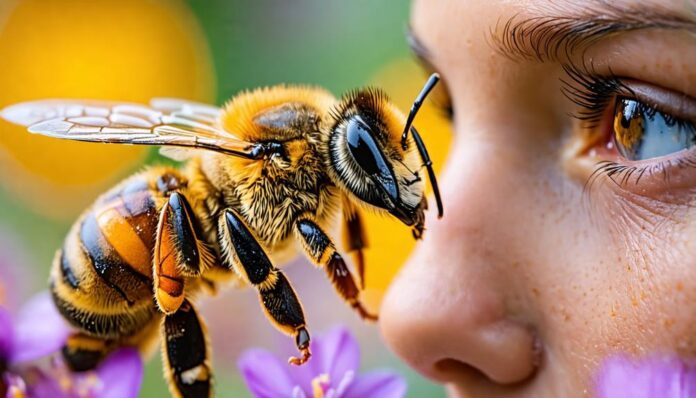
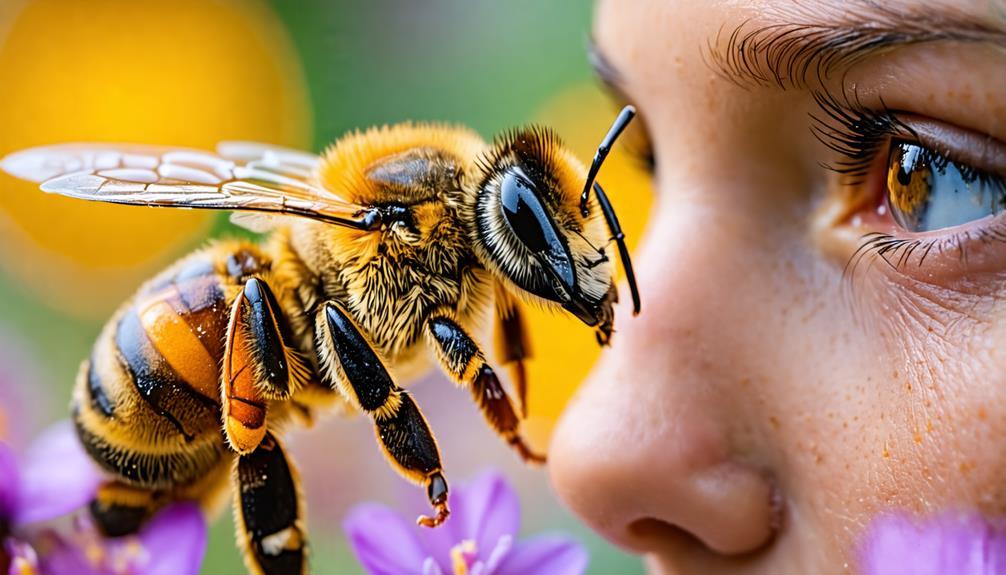
Honeybees can distinguish between different human faces by processing facial features in a way similar to humans.
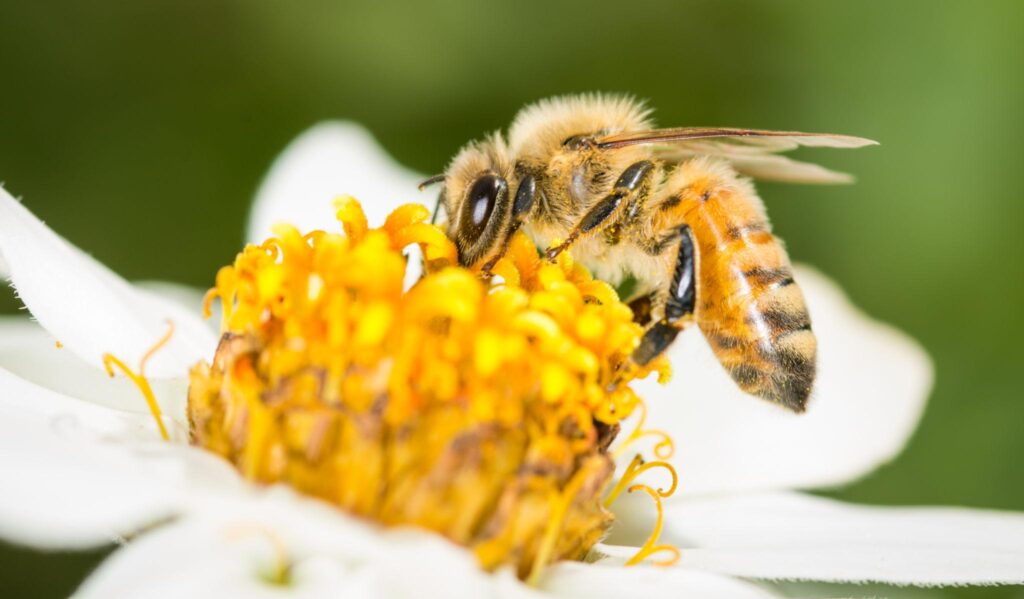
A single worker bee can visit thousands of flowers daily while collecting nectar and pollen.

Thanks to bees, honey can last for thousands of years without going bad. Archaeologists have found edible honey in ancient Egyptian tombs.
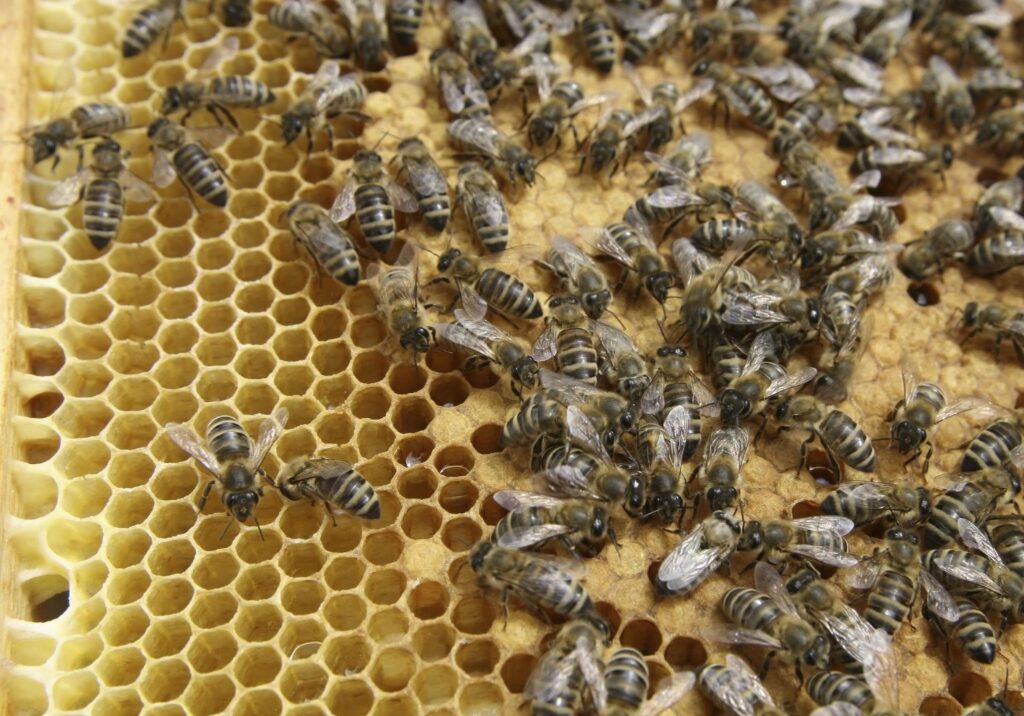
Honeybees perform a “waggle dance” to tell other bees the direction, distance, and quality of a food source.
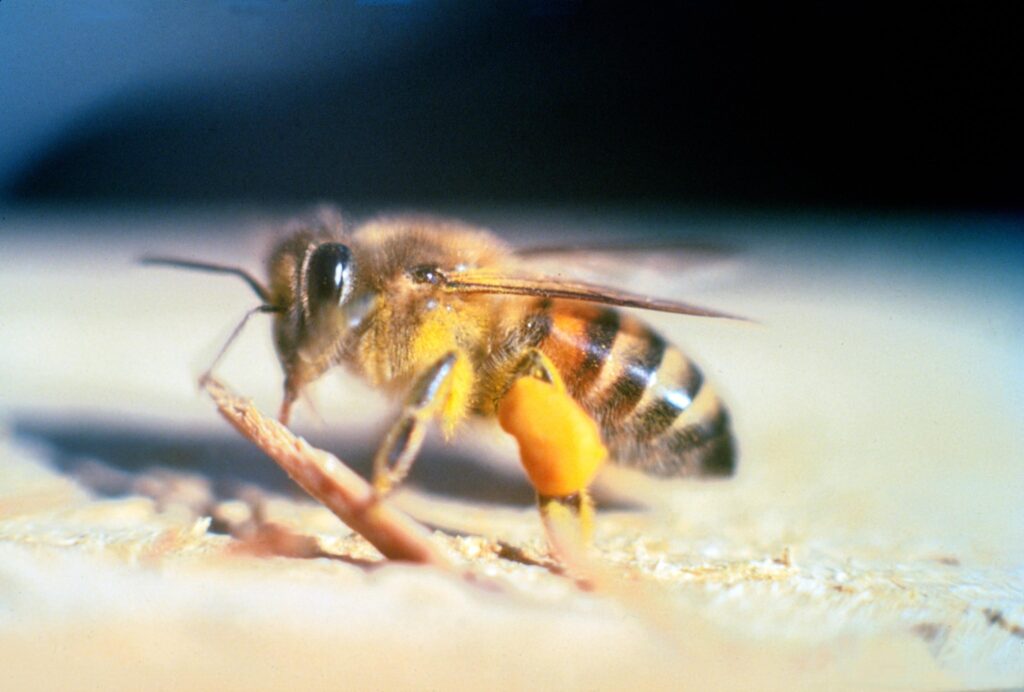
Worker bees, which gather food, build the hive, and care for the young, are all female. Male bees (drones) exist mainly to mate with the queen.
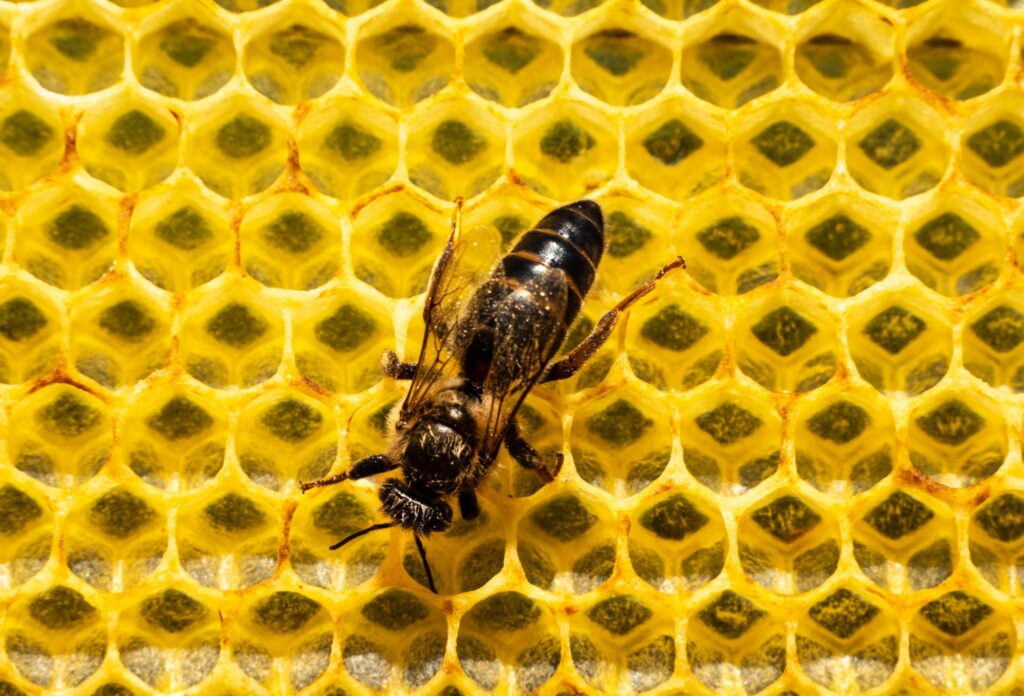
During peak season, a healthy queen can produce more eggs in one day than her own body weight.
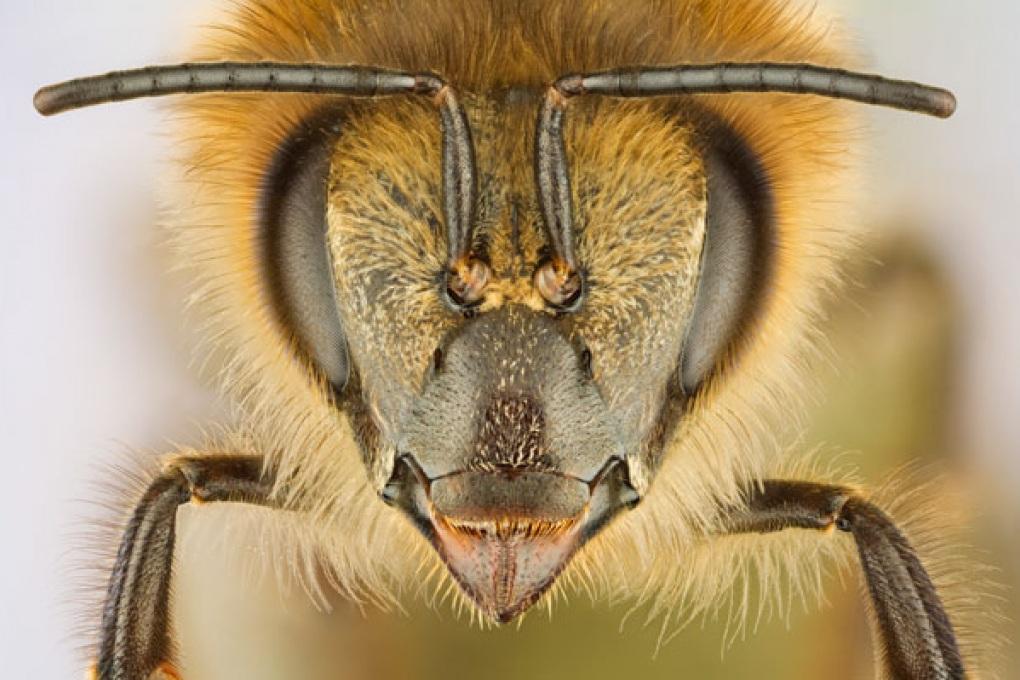
They have two large compound eyes and three smaller simple eyes on top of their heads that help detect light.
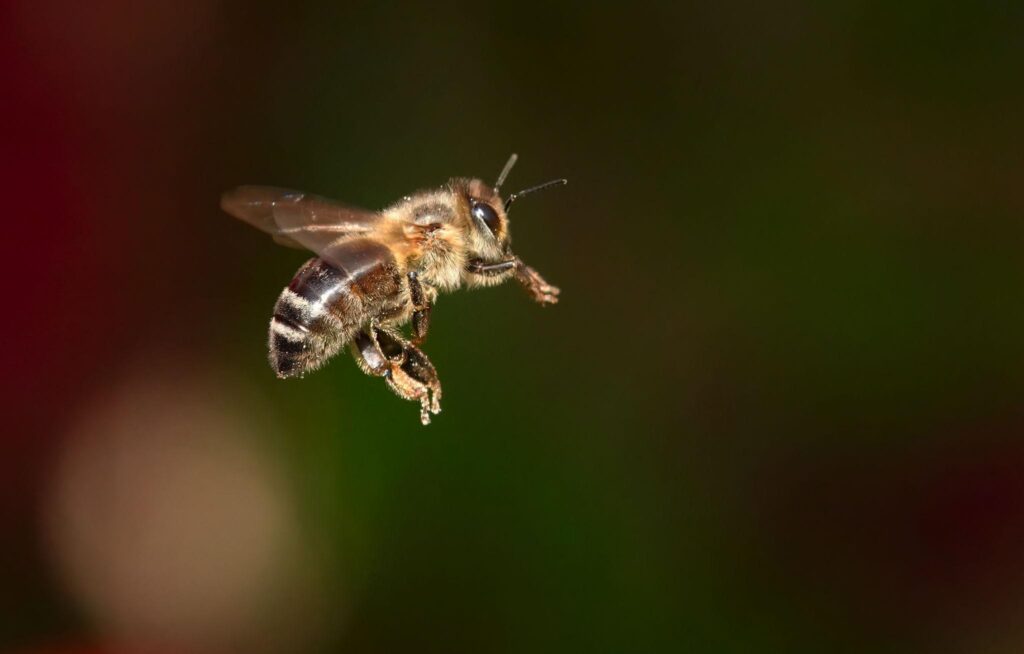
Despite their tiny size, honeybees are surprisingly fast flyers.
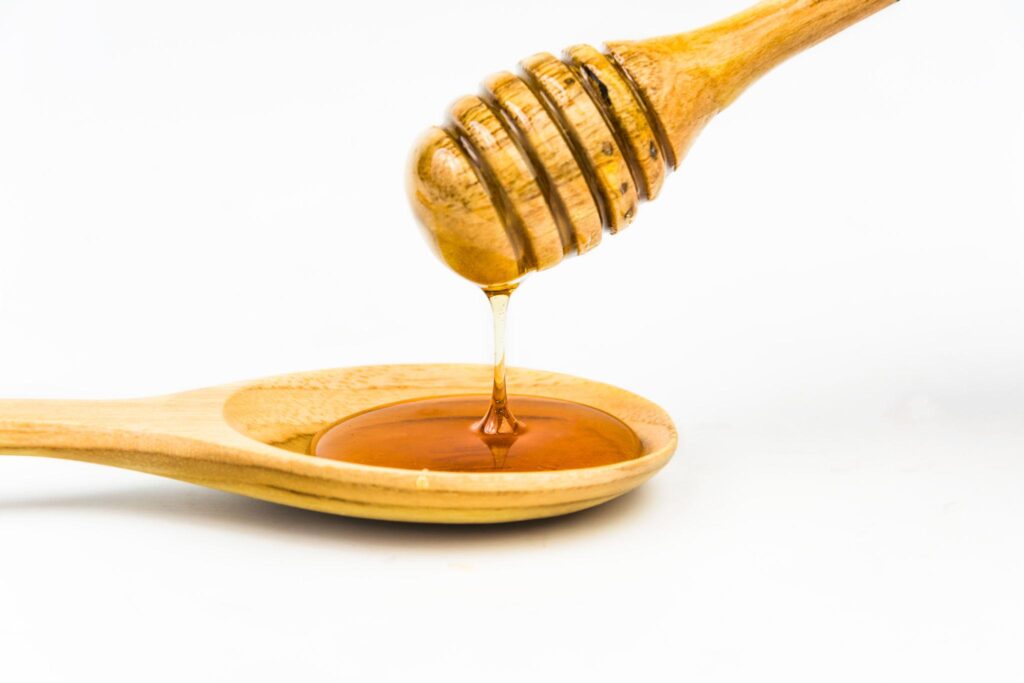
It takes an enormous amount of effort and countless flower visits to produce even a small amount of honey.
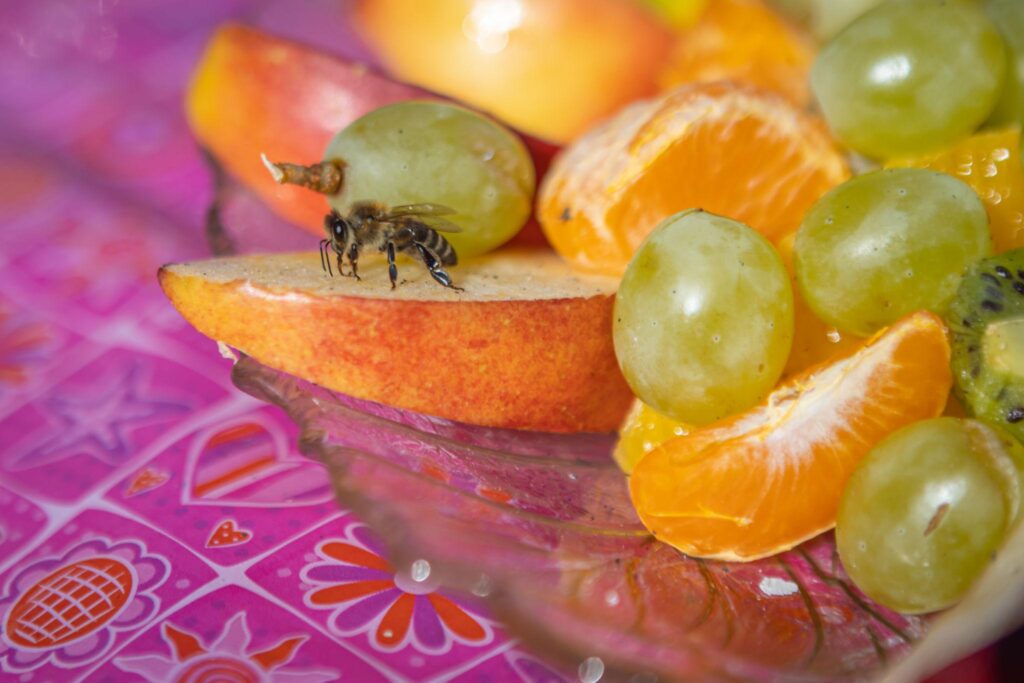
Many fruits, vegetables, nuts, and seeds depend on bee pollination, making bees essential to global food production.


