

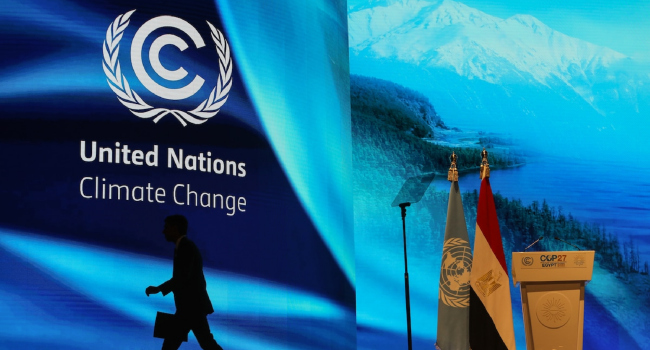
At COP30 on Tuesday, November 11, 2025, Ethiopia was officially announced as the host nation for the 32nd session of the Conference of the Parties (COP32) to the United Nations Framework Convention on Climate Change (UNFCCC).
The announcement marks a major milestone for the long-anticipated “Africa COP,” which saw a closely contested bid between Ethiopia and Nigeria. Ethiopian Prime Minister Abiy Ahmed had earlier described Addis Ababa as “a global city in climate ambition” during the Africa Climate Summit in September.
Observers and environmental advocates have welcomed the decision, describing it as a significant step toward advancing Africa’s leadership in global climate diplomacy.
Rukiya Khamis, Africa Senior Organiser at 350.org, said: “We welcome the announcement of COP32 in Ethiopia and look forward to the opportunity to elevate Africa’s climate priorities, solutions, and leadership. The world cannot afford to treat climate diplomacy as a political bargaining chip.”
Khamis also called for a resolution to the ongoing stalemate surrounding COP31, warning that delays could undermine global momentum for climate action.
The host for COP31 remains undecided as Australia’s bid to co-host with Pacific nations faces competition from Turkiye’s proposal.
Pacific nations have expressed strong support for an Australia-Pacific COP, emphasizing the importance of addressing the region’s vulnerability to rising sea levels and the impacts of global warming.
If the deadlock continues, Germany may be required to host COP31 by default under the UNFCCC treaty provisions.
Fenton Lutunatabua, Deputy Head of Regions at 350.org, also welcomed Ethiopia’s selection, stating: “We are pleased that Ethiopia has been confirmed as COP32 host, but we need an urgent decision on COP31.
Hosting rights should not be used as political bargaining tools or trophies, these are the world’s largest climate negotiations, and their purpose is to address the most urgent crisis of our time.”
He added that while COP30 in Brazil’s Amazon rainforest focuses on terrestrial ecosystems, attention must now turn to the world’s oceans, which are warming rapidly with severe consequences for coastal and island nations.
As Ethiopia prepares to host COP32, attention now shifts to how the continent will use the opportunity to showcase its climate leadership, push for climate justice, and strengthen global cooperation in addressing the planet’s most pressing environmental challenges.


