

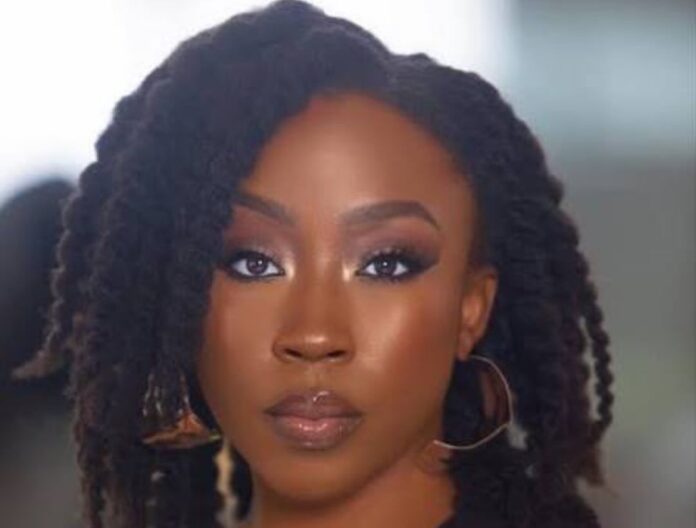
Nollywood actress Beverly Naya has put colourism back on the national agenda. During an interview on the One54 Africa podcast earlier this week, Naya said that 77 percent of Nigerian women bleach their skin. The claim spread quickly across social media within a day of the podcast’s release.
Beverly Naya made the comment while reflecting on her 2019 documentary, Skin, which she wrote and directed to examine why so many Nigerians associate lighter skin with beauty and status. She linked the pattern to slavery-era ideas about race.
“When you think about it, it takes you back to slavery because we are still being divided,” Naya said. “There is this hierarchy of beauty where the lighter you are, the better.”
She explained that when she began working on the documentary, few people had language for what they were experiencing. Dark-skinned Nigerians regularly faced insults without a name for the behaviour behind them.
ALSO READ: Charles Okocha Trains with Heavyweight Champion Daniel Dubois Ahead of Portable Rematch
“People could look at a dark person and say, ‘Blackie,’ and it was derogatory and offensive, but there was nothing to define what that act was,” Naya said. “It was colourism, and they didn’t know what it was.”
Skin premiered on Netflix in June 2020, roughly two weeks after the death of George Floyd in the United States, which sparked global protests and renewed attention to race. Naya said the timing amplified the film’s reach.
“It came out on Netflix literally two weeks after George Floyd died,” she said. “So many people watched it, and the impact was insane.”
The reaction to her latest comments has been mixed. Many users online questioned where the seventy-seven per cent figure came from, since Naya did not cite a specific study during the interview. Others agreed with the number outright, and some pointed to how bleaching is frequently marketed in Nigeria under softer terms such as skin care or glow treatment rather than being named directly.
Nigeria’s skincare industry is undergoing its own transformation. The market was valued at approximately 2.09 billion dollars in 2023 and is projected to reach 4.5 billion dollars by 2028, according to industry research.
Much of that growth is driven by products built around natural ingredients such as shea butter and moringa, alongside a rising number of international brands entering the country with formulas designed for melanin-rich skin rather than lightening it. Fenty Beauty entered Nigeria in 2022, Maybelline followed with a range for diverse skin tones, and Urban Skin Rx launched locally in 2025. Other Nigeria-originated brands such as DANG! Lifestyle, Yanga Beauty, VSP Botanics, Sanaa Beauty, and Face Coat, among others, continue to dominate local markets, expanding to international markets as well.
For Beverly, the goal of Skin was never to shame anyone who bleaches but to help people understand the pressure behind the choice.
“The whole idea was just to inspire people to love the complexion they are in and appreciate themselves for who they are,” she said.


