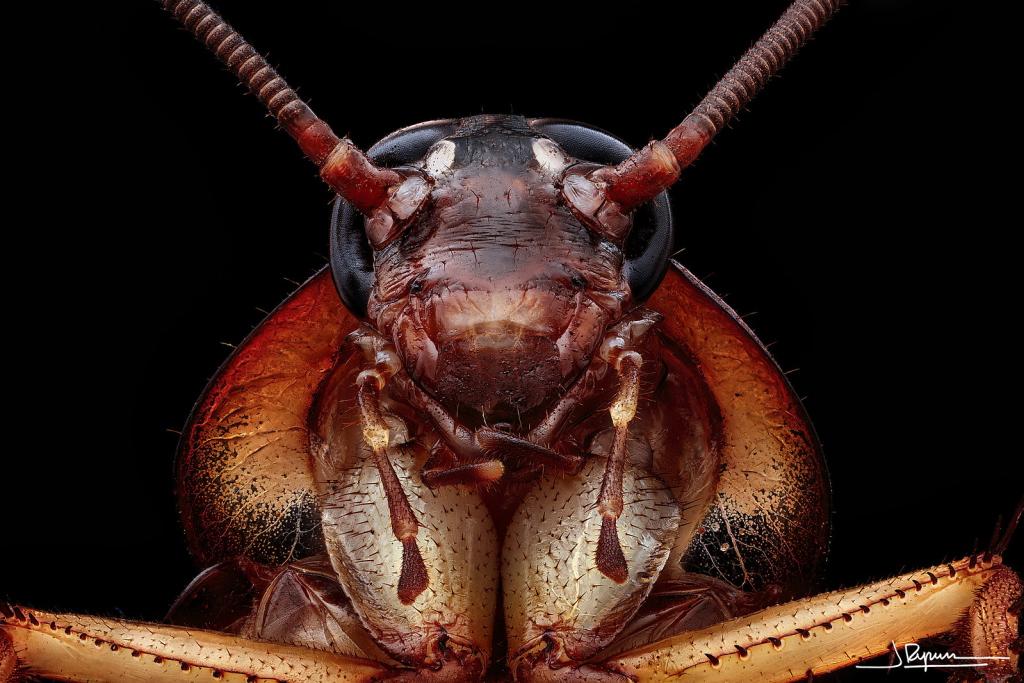
Cockroaches are perhaps the most famous example. They can survive for days or even weeks without a head. This is because they do not breathe through their mouths; instead, they breathe through openings called spiracles along their bodies. Their nervous system is also distributed throughout their body, allowing basic movements to continue even without the brain.
The main problem eventually becomes dehydration and starvation rather than the immediate loss of the head.
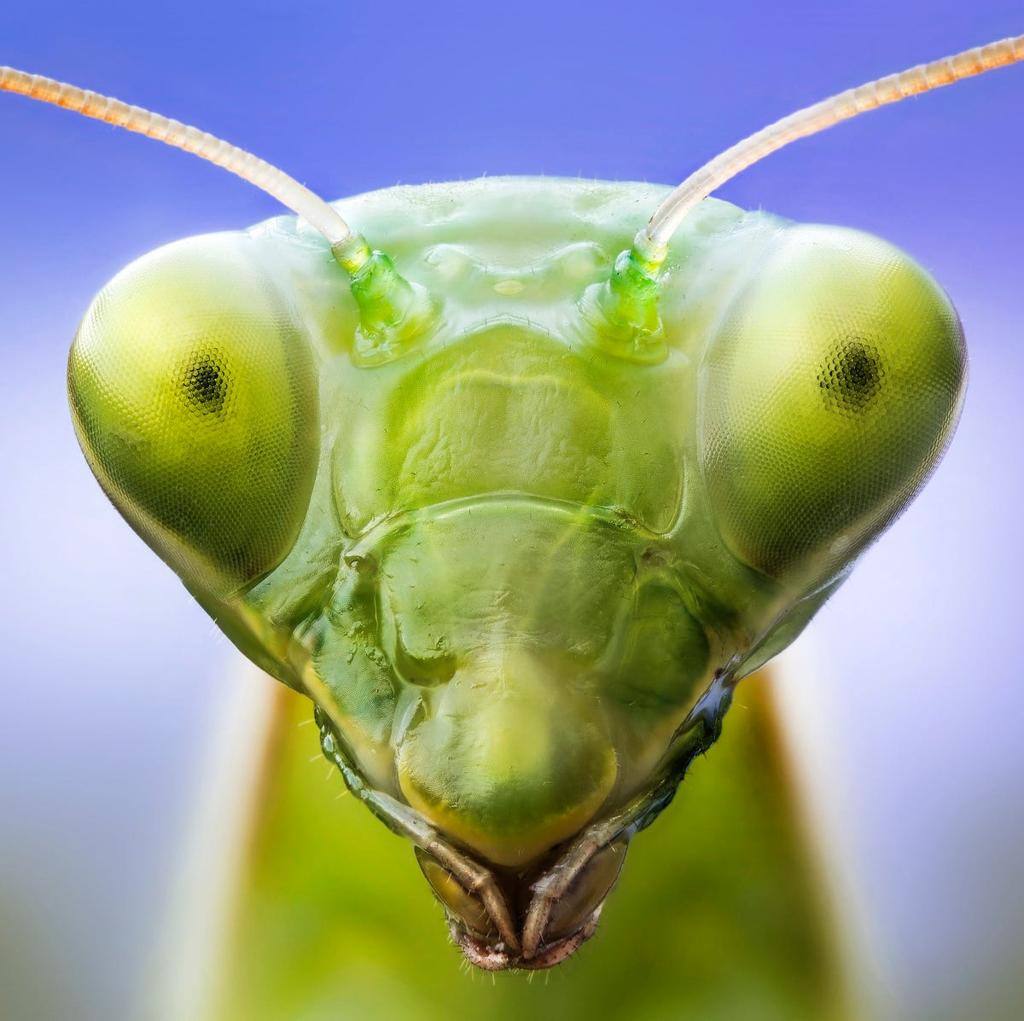
A praying mantis can remain alive after losing its head for a period because many of its essential movements are controlled by nerve centres located along its body. However, the loss of the head has serious consequences.
Male praying mantises are particularly notorious because mating can sometimes end with the female eating the male’s head.
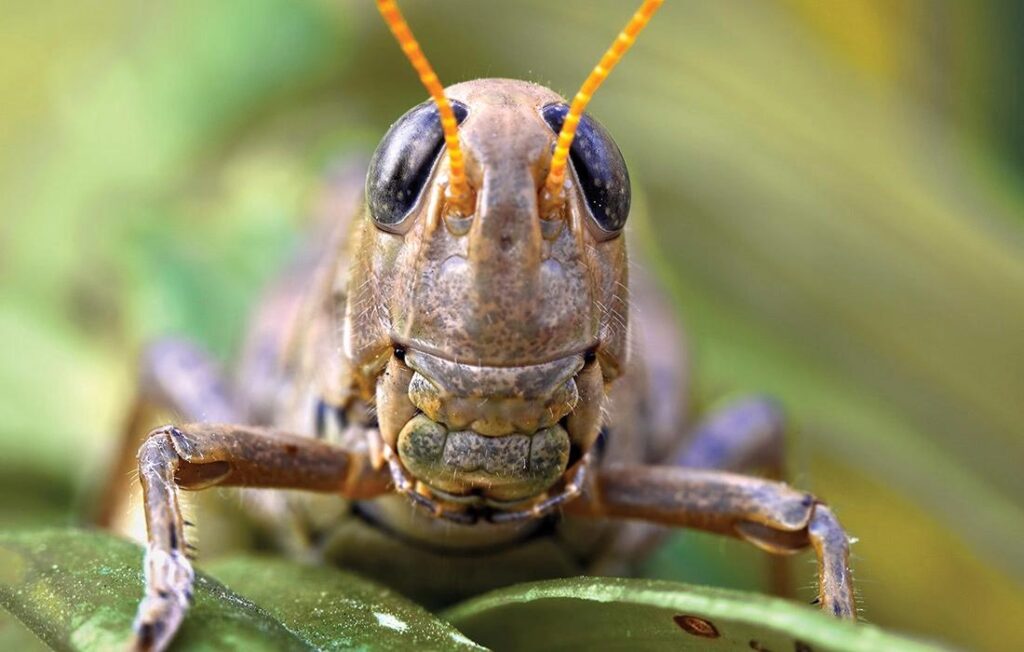
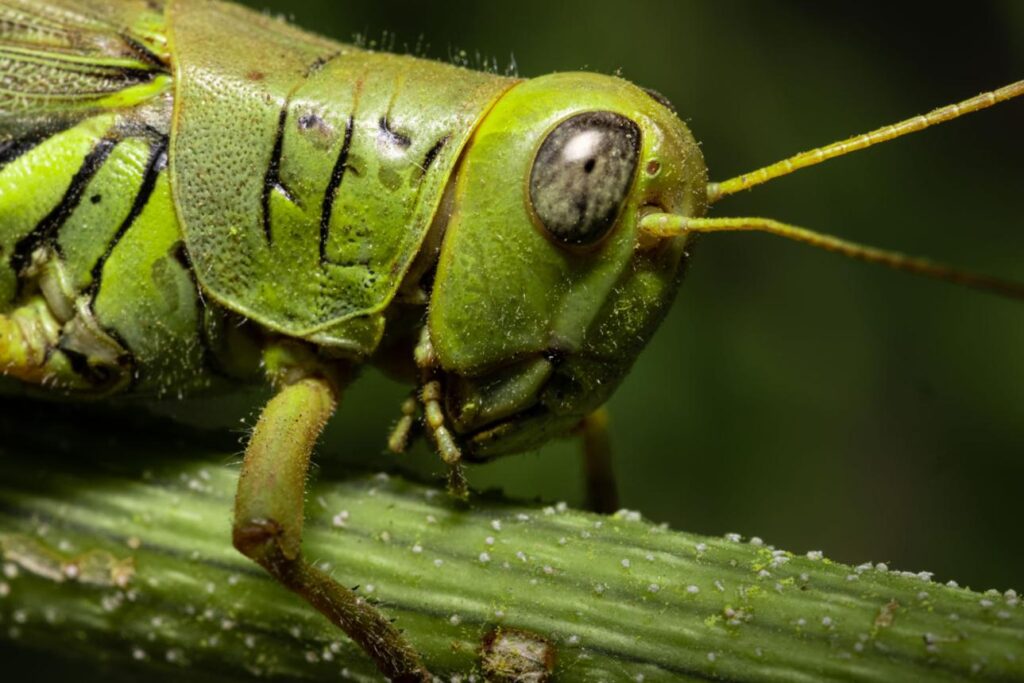
Grasshoppers have a decentralised nervous system, meaning their body can continue carrying out some movements even when the brain is gone. Their breathing system also does not depend on a mouth and lungs like that of humans.
A headless grasshopper, however, cannot feed and will eventually die from dehydration or starvation.
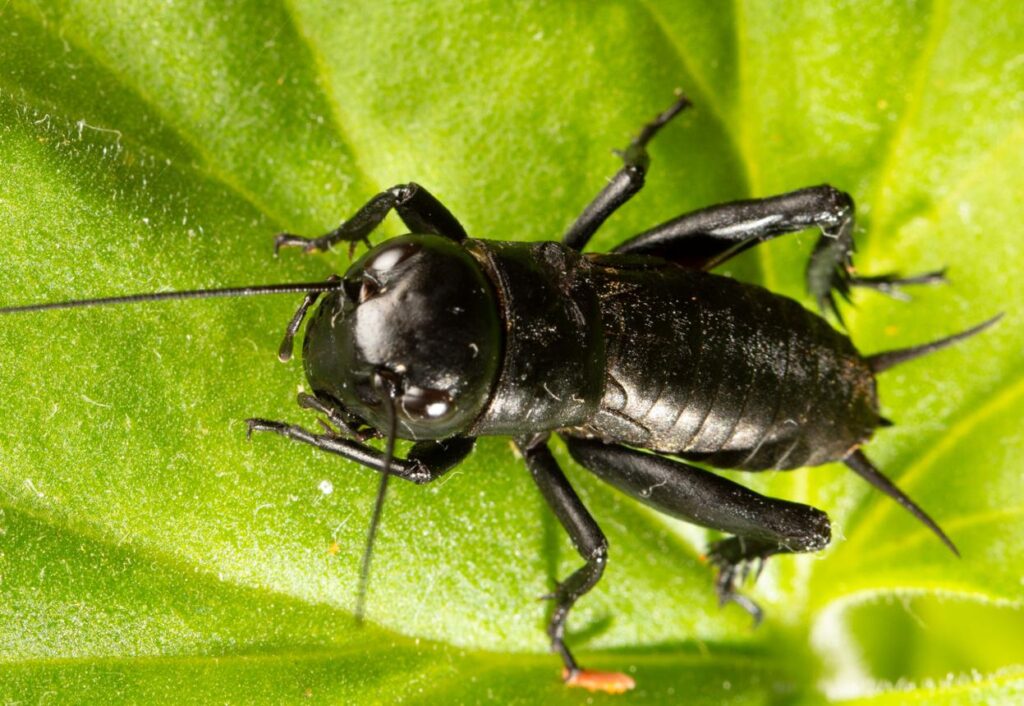
Crickets share several biological features with grasshoppers. Their bodies contain nerve centres that can coordinate movement independently of the brain.
As a result, a cricket can continue moving for some time after decapitation, although it cannot survive indefinitely.
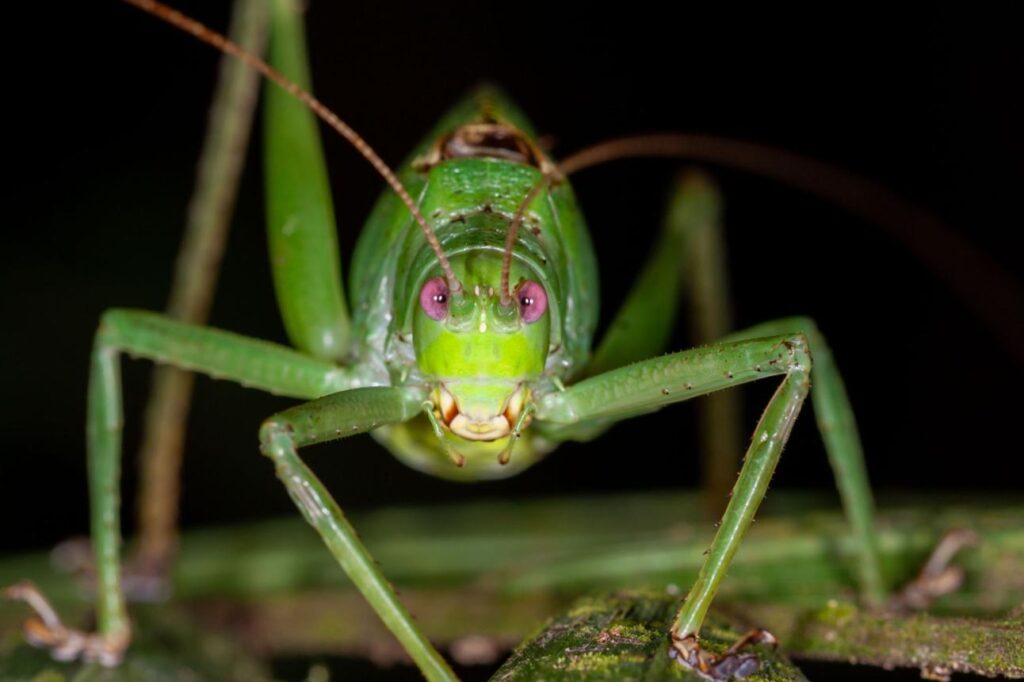
Katydids are another group of insects whose nervous systems are spread through their bodies. Their legs and other body parts can therefore continue responding to stimuli after the head is lost.
Like other insects on this list, survival is limited because the animal can no longer eat or drink normally.
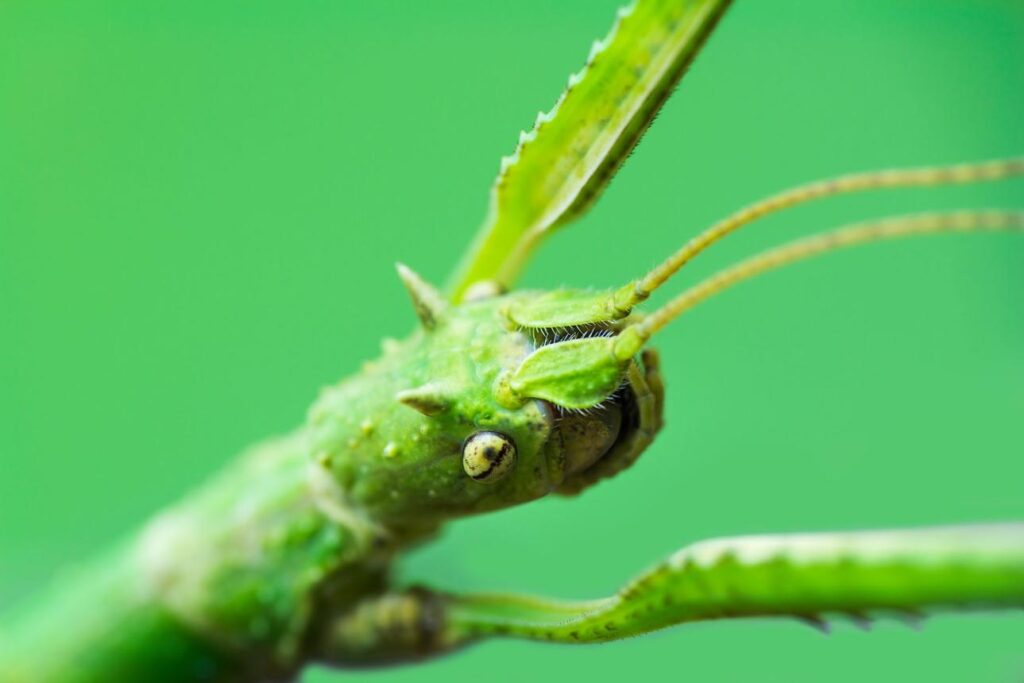
Stick insects have a chain of nerve centres running through their bodies. This arrangement means that some basic movements can continue without direct control from the brain.
Their ability to survive head loss is therefore linked to their decentralised nervous system rather than an ability to live permanently without a brain.
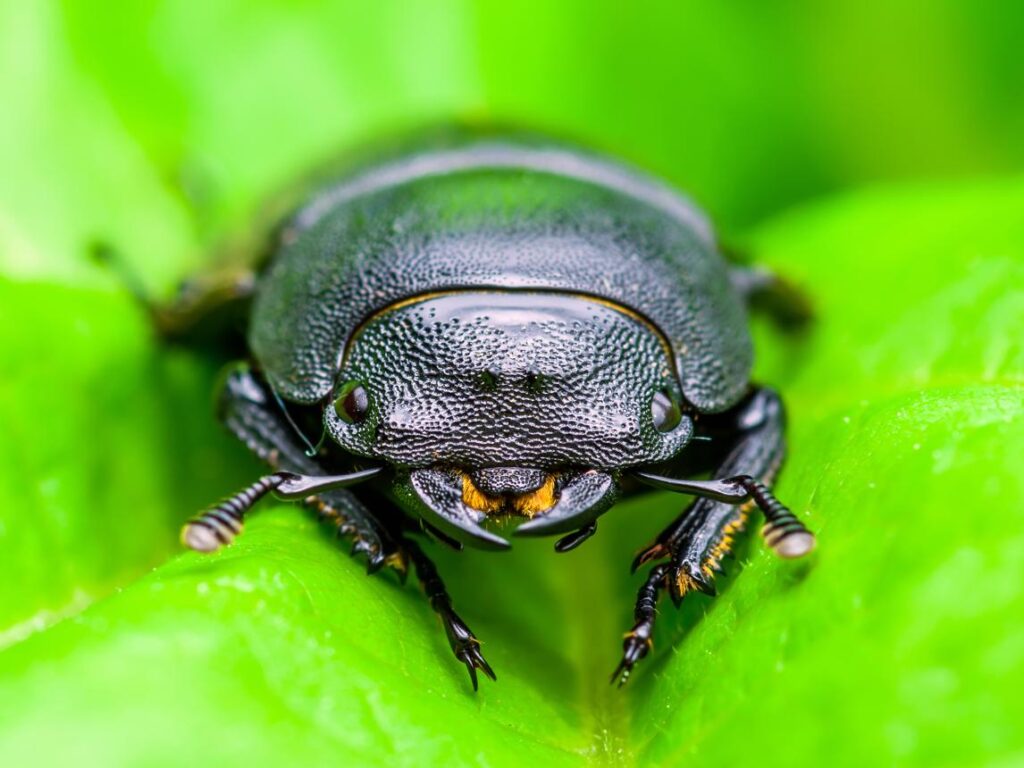
Many beetles have nervous systems that allow parts of the body to continue functioning independently. Their spiracles also allow them to breathe without using a mouth or nose.
A decapitated beetle may therefore remain alive and active for some time, although it eventually dies because it cannot eat or drink.
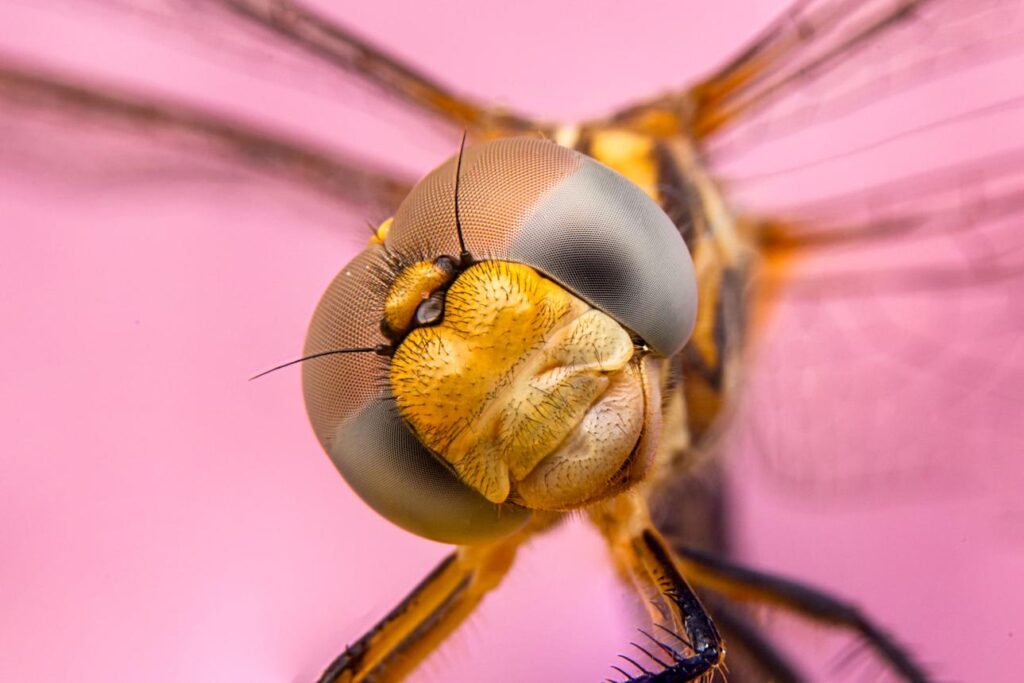
Dragonflies have sophisticated brains, but their nervous systems also contain nerve centres along the body. Some reflexes and muscular movements can therefore continue without the head.
Their survival after decapitation would nevertheless be limited and should not be confused with normal functioning.
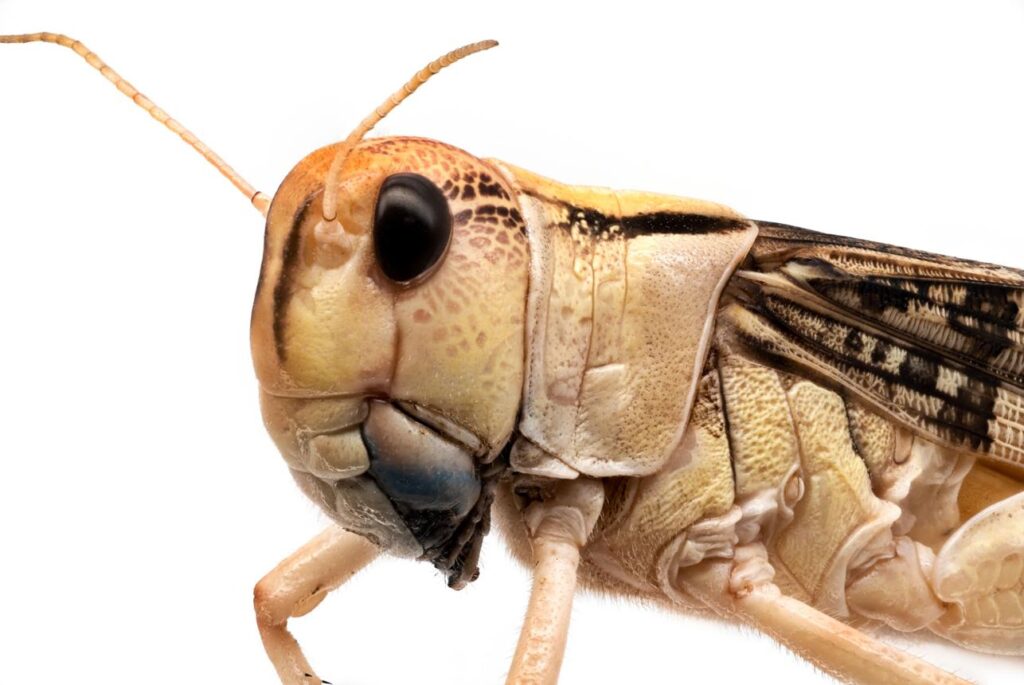
Locusts belong to the grasshopper family and have a similar decentralised nervous system. Their bodies can continue performing certain movements even when the brain is no longer present.
They can also breathe through spiracles distributed along the thorax and abdomen, rather than relying on the head.
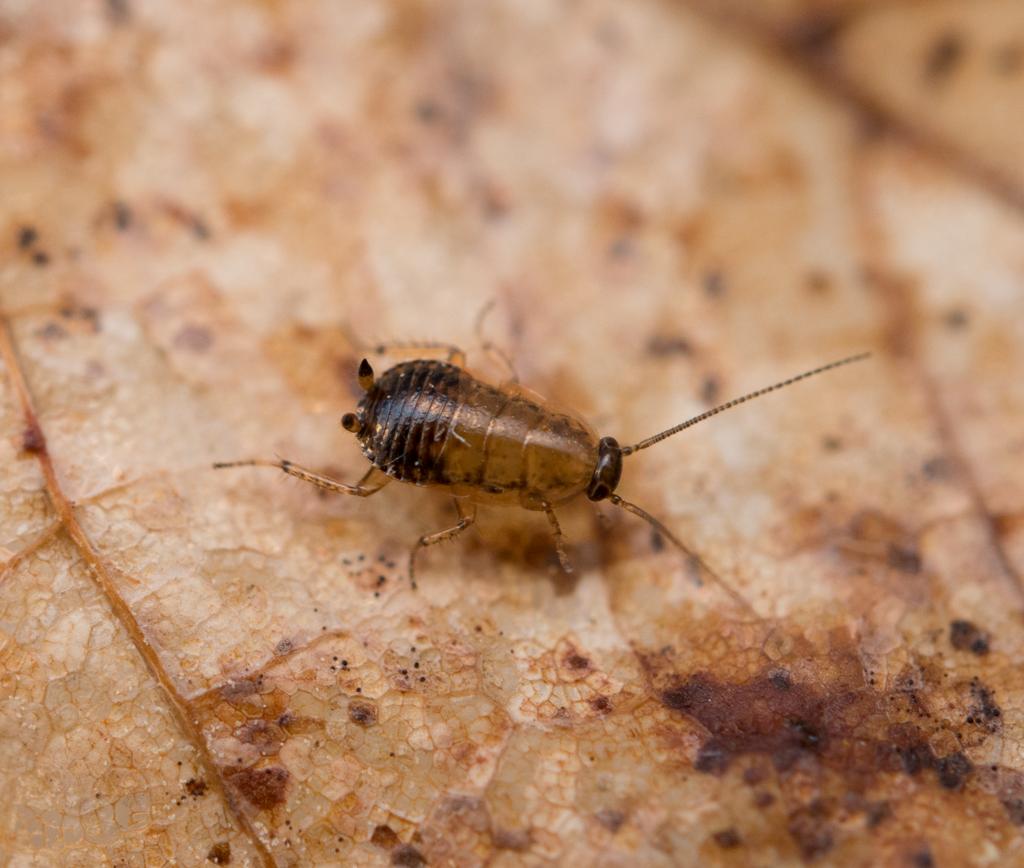
Young cockroaches, known as nymphs, have the same basic respiratory and nervous-system features that make adult cockroaches unusually resilient.
Like adults, a headless nymph may continue moving for some time because breathing does not depend on the head. But without the ability to eat or drink, its survival is ultimately limited.