

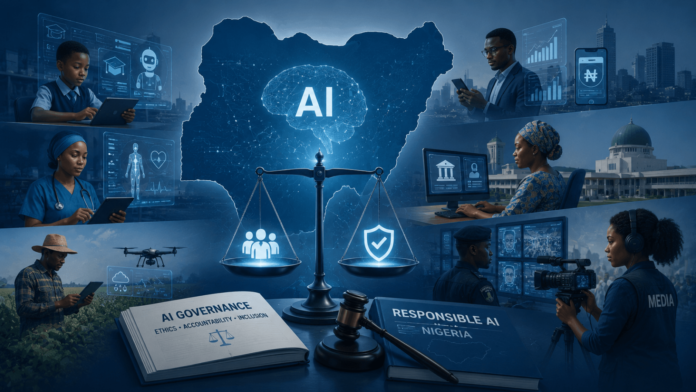
Technology researchers have called for comprehensive Artificial Intelligence (AI) training for both teachers and students, saying it is essential for the successful integration of the technology into education.
The recommendation was made by Aniella Vieriu and Gabriel Petrea in their study, “The Impact of Artificial Intelligence (AI) on Students’ Academic Development,” published in the journal Education Sciences.
The researchers stressed the need for clear guidelines and validation protocols to ensure AI is used responsibly and effectively in educational settings.
“We should establish robust standards for AI deployment that include the regular validation of AI-generated information and clear guidelines to prevent over-reliance on technology,” they said.
They also advocated stronger ethical and privacy safeguards, urging policymakers and educational institutions to develop and enforce measures that protect students’ data and minimize potential bias in AI systems.
According to the scholars, adopting such measures would ensure AI complements, rather than replaces, traditional teaching methods.
“Educational institutions can ensure that AI complements rather than replaces traditional teaching methods, ultimately fostering a more adaptable, efficient and personalized learning environment that supports the development of essential skills for future success,” they stated.
The researchers noted that the rapid advancement of AI is reshaping virtually every sector, with education emerging as one of the fields experiencing significant transformation.
Citing earlier research published in 2020, they said AI is playing an increasingly important role in both basic and higher education by creating new opportunities for academic development while also presenting fresh challenges.
They explained that AI-powered personalized learning systems and intelligent tutoring platforms can tailor lessons, guidance, feedback and support to individual students based on their learning patterns, abilities and knowledge levels.
According to the study, such innovations have the potential to revolutionize teaching and learning by more effectively addressing the diverse needs of learners.
However, the researchers cautioned that the growing adoption of AI in classrooms also raises critical concerns about equity, accessibility and the evolving role of teachers.
“The influence of AI on education is transformative and multifaceted. AI enables personalized learning by adapting educational content to meet the unique needs of individual students,” they said, citing related research.
They concluded that while AI holds enormous promise for improving educational outcomes, its long-term success will depend on responsible implementation, proper oversight and striking the right balance between technology and human instruction.


