

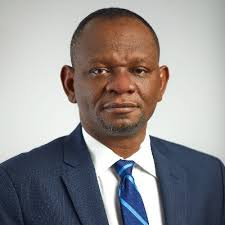
Nigeria commits roughly 150 million dollars each year to secure vaccines, even as it widens the reach of malaria immunisation across more states, the Federal Government has revealed.
Dr. Muyi Aina, Executive Director of the National Primary Health Care Development Agency (NPHCDA), made this known on Tuesday in Abuja during the agency’s maiden quarterly media briefing for 2026.
He explained that vaccine funding is drawn from federal allocations alongside contributions from international partners, notably Gavi, the Vaccine Alliance. However, he warned that external support is gradually waning.
”Countries are now expected to increase domestic financing as global donor resources continue to shrink,” he said.
Aina noted that the financial outlay covers not only vaccine purchases but also emergency outbreak responses and logistics such as syringes, waste disposal systems, incinerators, and cold chain infrastructure. He added that operational expenses for nationwide immunisation campaigns also consume a substantial portion of the budget.
On malaria prevention, he disclosed that the vaccination programme has progressed beyond initial pilot states—Bayelsa State and Kebbi State—to include Bauchi State and Ondo State, following readiness evaluations.
He highlighted a key hurdle with the malaria vaccine, which requires multiple doses.
”What is unique about the malaria vaccine is that it requires four doses, and ensuring children return for all doses remains a key challenge,” he said.
According to him, vaccination figures so far show about 68,000 doses administered in Bayelsa, 153,000 in Kebbi, 66,000 in Bauchi, and over 7,000 in Ondo. He noted that drop-off between doses has led authorities to intensify tracking and follow-up mechanisms.
Providing further updates, Aina revealed that approximately 600,000 vaccine doses are currently preserved within the national cold storage system. In terms of coverage, Kebbi and Bayelsa have recorded 984,559 children receiving at least one dose, while Ondo has reached about 166,342 children and Bauchi around 105,890.
”This brings the total number of children reached to almost 1.3 million,” he said.
He described vaccines as one of the safest and most cost-effective medical interventions available.
According to him, vaccines are much safer and much cheaper than most medicines people buy in stores or use for malaria treatment.
He stressed that vaccines undergo strict safety checks before approval and that their benefits significantly outweigh any potential risks.
”Vaccines are highly effective in preventing diseases such as measles. It success often leads to reduced visibility of such diseases in communities,” he emphasised.
While acknowledging that all medical interventions may carry side effects, Aina maintained that vaccines remain among the most rigorously tested and reliable preventive tools.
He urged Nigerians to sustain confidence in healthcare professionals and immunisation initiatives, noting that the government is also investing in workforce support and incentives to boost vaccine delivery.
He added that despite the scale of investment, vaccination efforts often receive limited public attention.
Beyond immunisation, Aina disclosed that 48,372 women have accessed free maternal healthcare services nationwide, while 2,497 others have undergone obstetric fistula repairs through federal health facilities in collaboration with the National Health Insurance Authority. He described the intervention as vital in restoring dignity and improving the lives of affected women.


