

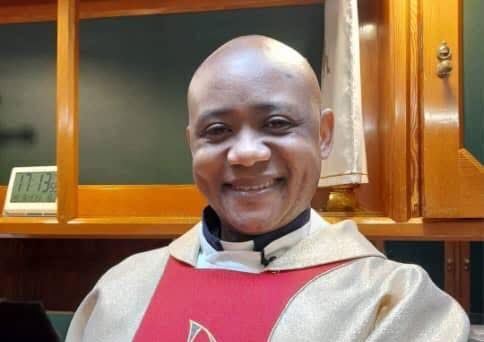
Shikrot Mpwi – Sunday Synopsis
Fr. Justine John DYIKUK
Dear friends in Christ,
On the Second Sunday of Easter (Divine Mercy Sunday), Year A (12 April 2026), I bring you greetings and God’s blessings!
Theme: Sharing our faith, bringing mercy to others
Introduction
Divine Mercy Sunday invites us to reflect on the life of the Polish Nun, Sr. Maria Faustina Kowalska, whom Pope John Paul II described as “a gift of God for our time” and “to the whole Church.” He made this assertion during his sermon on the canonisation of Sister Faustina on 30 April 2000, reminding the world about his joy in presenting the life and witness of this consecrated woman.
Saint JP II also disclosed that “through the work of the Polish religious, this message has become linked forever to the 20th century, the last of the second millennium, and the bridge to the third. It is not a new message but can be considered a gift of special enlightenment that helps us to relive the Gospel of Easter more intensely, to offer it as a ray of light to the men and women of our time.”
Overview of the readings
The first reading (Acts 2:42-47) provides a vivid portrayal of the fellowship among believers in the early church. It emphasizes important themes such as loyalty to apostolic teachings, the practice of breaking bread and prayer, miraculous signs and wonders performed by the apostles, a deep sense of community, concern for the needy, shared worship in the temple courts, genuine intentions, and significant conversations among the members.
In the second reading (1 Peter 1:3-9), the head of the college of apostles encourages everyone to embrace a “living hope” through the resurrection of Jesus, emphasising that this hope is an inheritance that will never fade away. He suggests that to hold on to this hope, one must endure various sufferings and trials with love, as this ultimately contributes to the salvation of souls.
In John 20:19-31, Jesus appears to the apostles on the first day of the week, greeting them with “Peace be with you” three times. He shows them His hands and side, filling them with joy, and breathes on them, giving them the power to forgive sins. Thomas, absent during this visit, doubts the resurrection. Eight days later, Jesus appears again, and upon seeing Him, Thomas declares, “My Lord and My God.” Jesus responds with a blessing: “Happy are those who have not seen, yet believe.”
Takeaway Lessons
1. In a world where the gap between the rich and the poor is increasingly wide and far in-between, Divine Mercy Sunday invites us to jettison selfishness by caring for the poor of the poorest in our communities through invoking the pristine values of the early Church.
2. In a society where rationality is pushed beyond its limits, questioning divine revelation, biblical truths, and Magisterial teachings, the first reading reminds us to emulate the early Christians who were faithful to apostolic teachings, the breaking of bread, and prayer.
3. Rather than being obsessed with signs and wonders, we are reminded that only righteousness and genuine love can draw souls to Christ.
4. Amid the Middle East conflict and the persecution of Christians in Nigeria, St. Peter’s call for hope during trials aligns with Jesus’ message of peace in the Gospel. At Sr. Faustina’s canonisation, Pope JP II emphasised that “Humanity will not find peace until it turns trustfully to divine mercy.”
5. Jesus did not appear to Thomas while he wandered; he let him return to the apostles before appearing again. This highlights the Church as a vital community where faith is nurtured. We must prioritise attending Chapel and receiving Holy Communion as essential for our spiritual journey.
Conclusion
Today’s gospel reminds us that the Bible isn’t just a record of Jesus’ actions, but a call to believe and gain eternal life. I encourage you to set aside time for the Lord every day at three o’clock—the hour of mercy—by praying the Divine Mercy Chaplet. Display the Portrait of Divine Mercy in your home as a reminder of this commitment. Let us become disciples of mercy, walking humbly and acting justly. In the words of Pope Saint John Paul II: May “The light of divine mercy…illumine the way for the men and women of the third millennium.” For the sake of his sorrowful passion, have mercy on us and the whole world.


