

Twenty-four years is a long time for any society to bleed. Yet, Plateau State has spent nearly a quarter of a century walking through the valley of the shadow of death, not as a poetic metaphor but as the lived reality of families whose loved ones never returned home. When a community counts its years in graves instead of achievements, something fundamental has snapped in the soul of the nation.
The recently released report by the Fact-Finding Committee on Incessant Attacks, Killings and Destruction did not merely present statistics — it opened a ledger of sorrow. 11,749 lives. 420 communities attacked. 13 Local Government Areas scarred. These are not just numbers thrown around for effect; each represents a story abruptly cut short, a family altered forever, a community robbed of its rhythm. When thousands of citizens die in peacetime, it is not fate — it is failure.
For decades, the Plateau crisis has been discussed like a recurring storm — predictable, lamentable, yet unaddressed. But the truth is simpler and more painful: this is not a storm; it is a preventable, human-made disaster. When the committee chair, retired Major General Nicholas Rogers, said the violence was “coordinated, deliberate and devastating,” he confirmed what victims have whispered for years — that these attacks did not happen in the dark; they happened in plain sight.
The most chilling part of the report is not even the body count. It is the silent devastation behind the scenes — the homes emptied, the livelihoods erased, the fields abandoned, the psychological wounds that no balm can soothe. The committee found that livestock, food, shelter, land, and peace — the basic building blocks of existence — were systematically stripped away. In many villages, life itself became a luxury.
For those who have lived through these tragedies, the Plateau story is not an issue of headlines or politics. It is a story of children awakened by sounds they should never hear, of parents learning new definitions of fear, of communities forced to live like tenants on their ancestral lands. It is a state where memories of violent nights sit side-by-side with the reluctant hope of a new dawn.
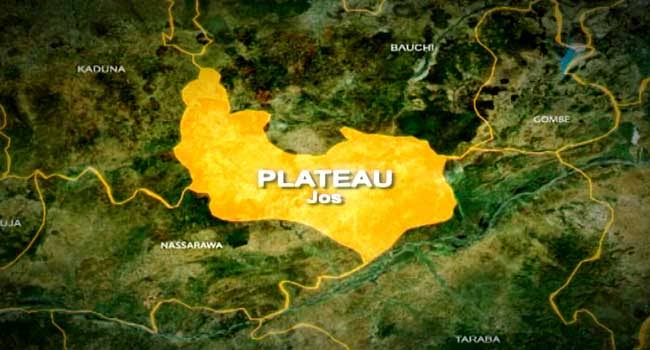
The attackers, according to the report, often slipped in through neighbouring states — Taraba, Bauchi, Kaduna, Nasarawa — leaving destruction in their wake and vanishing like ghosts. But ghosts do not coordinate. Ghosts do not strategize. The uncomfortable truth is that these operations were sophisticated enough to expose just how thin the shield of security has been for ordinary citizens.
Over the years, committees have been set up, reports compiled, promises made, and yet the drumbeat of violence continues. Nigerians know this dance too well — the cycle where tragedies are met with speeches, where condolences replace accountability, where time is weaponised against justice. It is little wonder that trust in institutions hangs by a thread.
Governor Caleb Mutfwang may have received the report with sincerity. His words about strengthening security frameworks and investing in peacebuilding are commendable. But Plateau’s wounds require more than commitment; they require courage — the courage to confront hard truths, name vested interests, and demand action from a federal structure that too often reacts after the damage has been done.
For a state that prides itself on its hospitality and natural beauty, Plateau has become an unintended case study of how neglect and simmering grievances can turn peaceful farmlands into battlegrounds. Historical mistrust, criminal infiltration, and scramble for land did not appear overnight; they grew in the cracks left by unaddressed injustice and weak governance.
And in the midst of this tragedy, it is ordinary people who pay the price. The committee noted widespread psychological and cultural consequences. Imagine children growing up with displacement as their first memory, or elders watching the land they inherited slip through their fingers. A society cannot be whole when its people live with their bags packed, ready to flee at the slightest hint of danger.
A time comes when a community must draw a line in the sand and say, “Never again.” Plateau has reached that moment. The state cannot continue to run from crisis to crisis like a man trying to catch water with bare hands. Security must become proactive, not reactive. Early-warning systems should not be an afterthought; they must be the backbone of governance.
The wider Nigerian state must also face its own reflection. If 11,749 people were killed in any other part of the world, it would spark national mourning, international outrage, and emergency reforms. Here, it barely interrupts political routines. When the value of human life becomes negotiable, society is already wobbling on the edge.
Yet, in the rubble of these tragedies lies a stubborn hope — the kind that refuses to die even after countless nights of mourning. Communities continue to rebuild. Farmers return to their fields. Survivors refuse to be defined by fear. This resilience should not be mistaken for endorsement of government failure. Instead, it should be a reminder that Plateau people deserve far more than they have received.
Going forward, Nigeria must stop treating insecurity like a seasonal flu. Plateau’s story teaches us that when a fire burns long enough, it becomes part of the landscape. But it doesn’t have to be so. Leadership must fight the urge to sweep root causes under the rug or hide behind bureaucracy. Peace is not a slogan; it is a deliberate act.
At the end of the day, the most powerful message is one that echoes from the victims themselves: they want justice, not sympathy. They want protection, not platitudes. They want a state where their children grow up learning about conflict from history books, not from lived trauma. And it is the sacred duty of government — federal and state — to ensure that Plateau’s long night finally gives way to morning.
Stanley Ugagbe can be reached via stanleyakomeno@gmail.com


