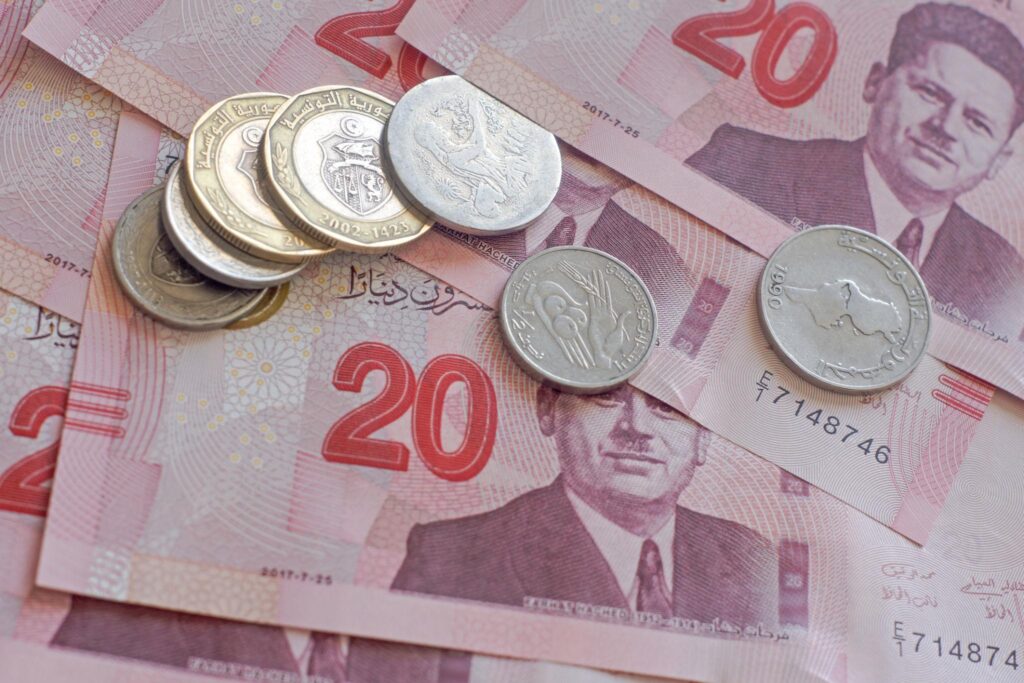
The Tunisian dinar is Africa’s strongest currency by exchange value. Tunisia maintains strict foreign exchange controls and prudent monetary policies, which help preserve the dinar’s strength. The country’s economy is supported by tourism, agriculture, manufacturing, and exports.
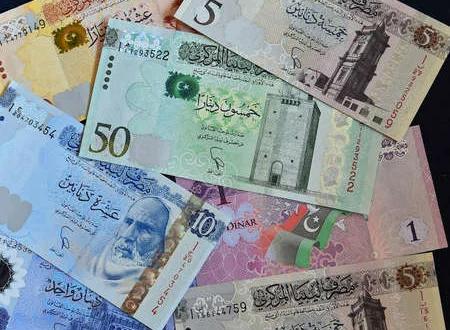
The Libyan dinar is backed largely by the country’s vast oil and gas reserves. Despite years of political instability, Libya’s oil exports remain a key source of foreign exchange, helping sustain the currency through a managed exchange rate.
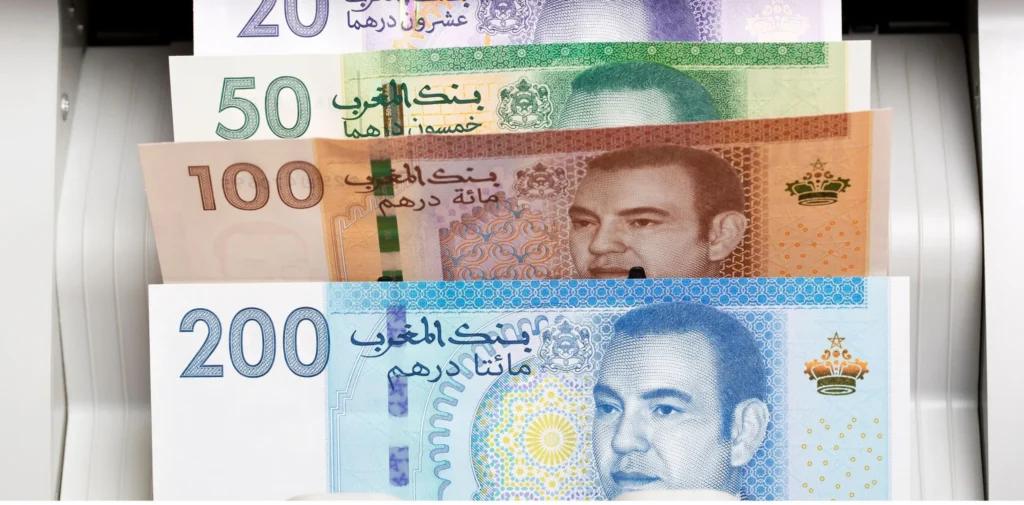
The Moroccan dirham is one of Africa’s most stable currencies. Morocco has a diversified economy driven by tourism, agriculture, automotive manufacturing, and phosphate exports, supported by disciplined fiscal and monetary policies.
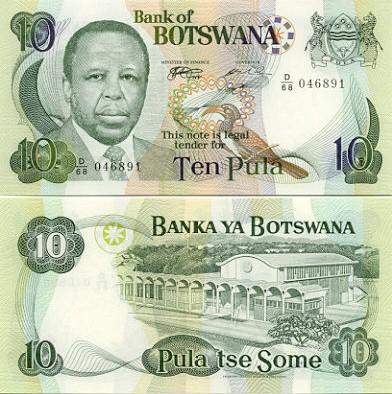
The Botswana pula is considered one of Africa’s most stable currencies. Botswana’s prudent financial management, low public debt, and diamond mining industry have helped maintain confidence in the currency for decades.
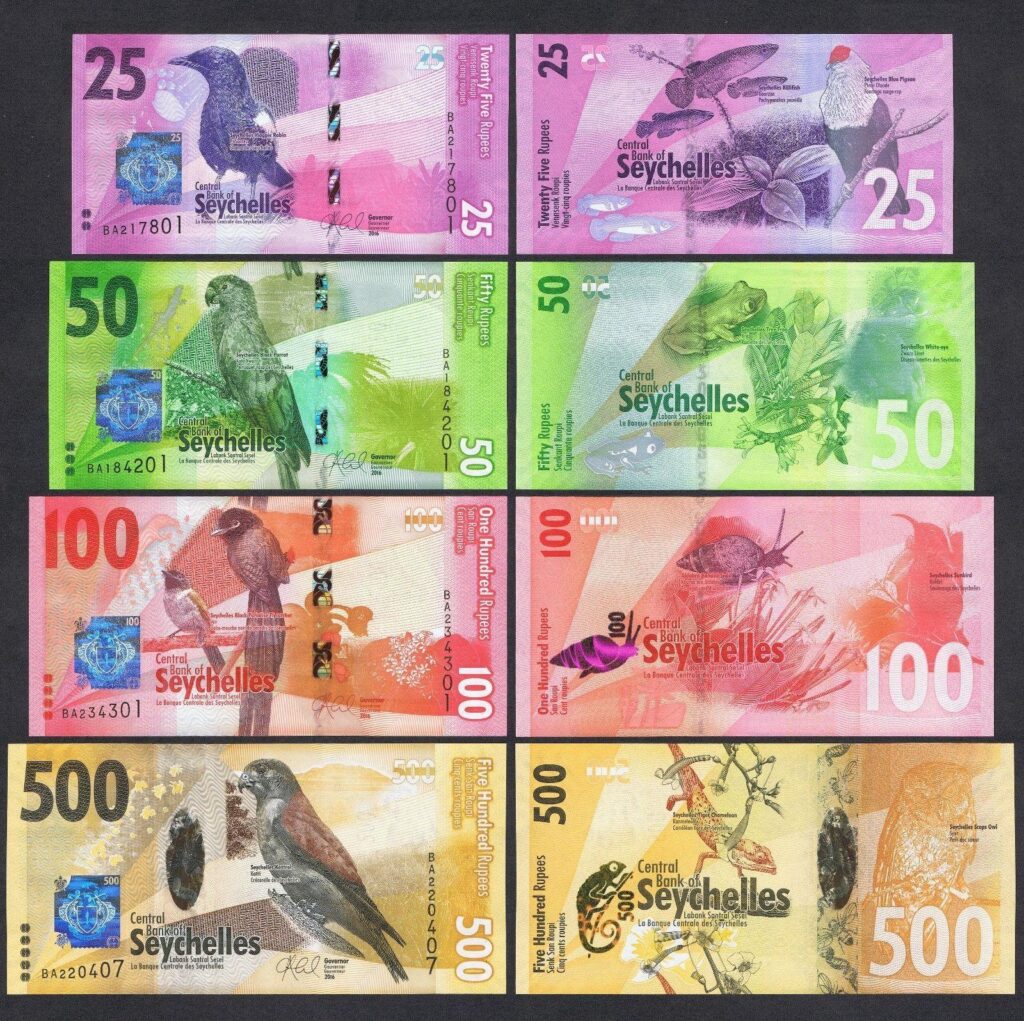
The Seychellois rupee benefits from the country’s strong tourism sector and fisheries industry. Although Seychelles has a relatively small economy, sound economic reforms have contributed to a stable currency.
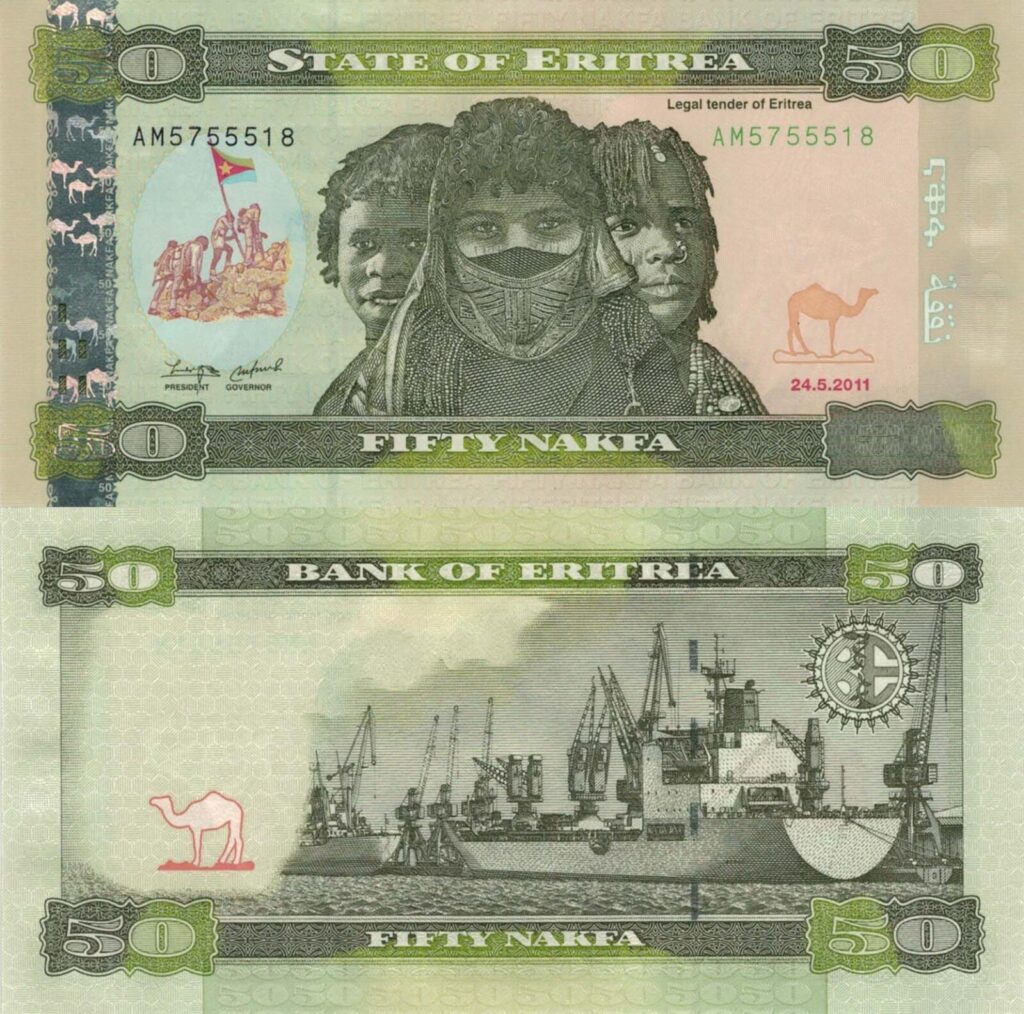
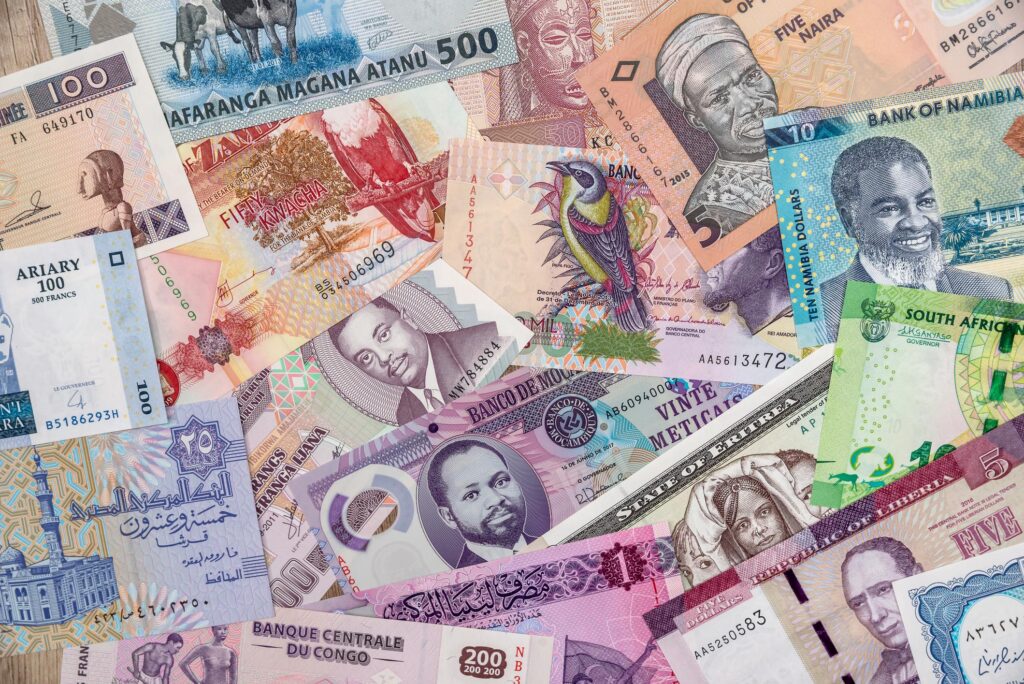
The Eritrean nakfa has remained relatively strong due to strict government control over foreign exchange. However, its official exchange rate differs significantly from rates in unofficial markets.
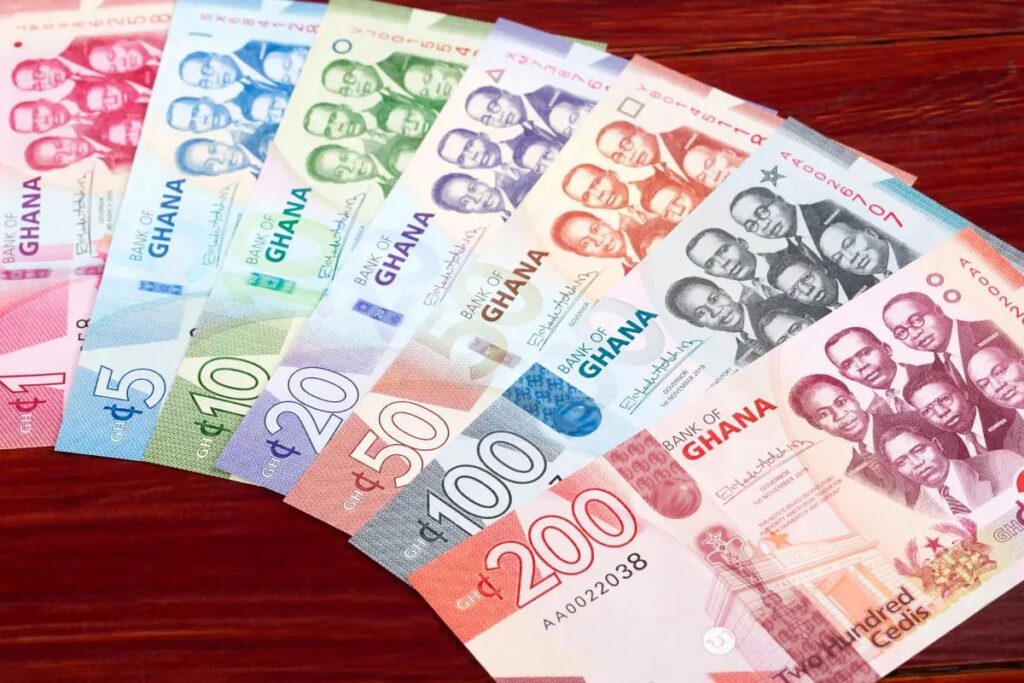
The Ghanaian cedi has experienced periods of volatility but remains among Africa’s higher-valued currencies. Ghana’s economy is supported by exports of gold, cocoa, and oil, while ongoing reforms aim to strengthen the currency.
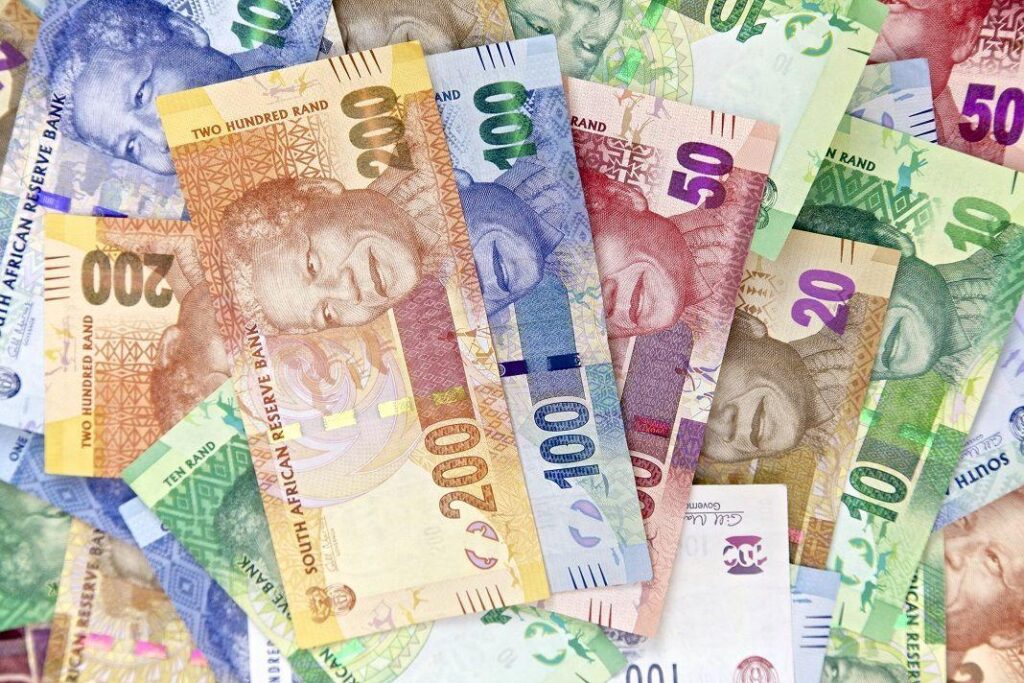
The South African rand is Africa’s most widely traded currency in global financial markets. South Africa’s diversified economy, which includes mining, finance, manufacturing, and agriculture, underpins its importance despite exchange rate fluctuations.
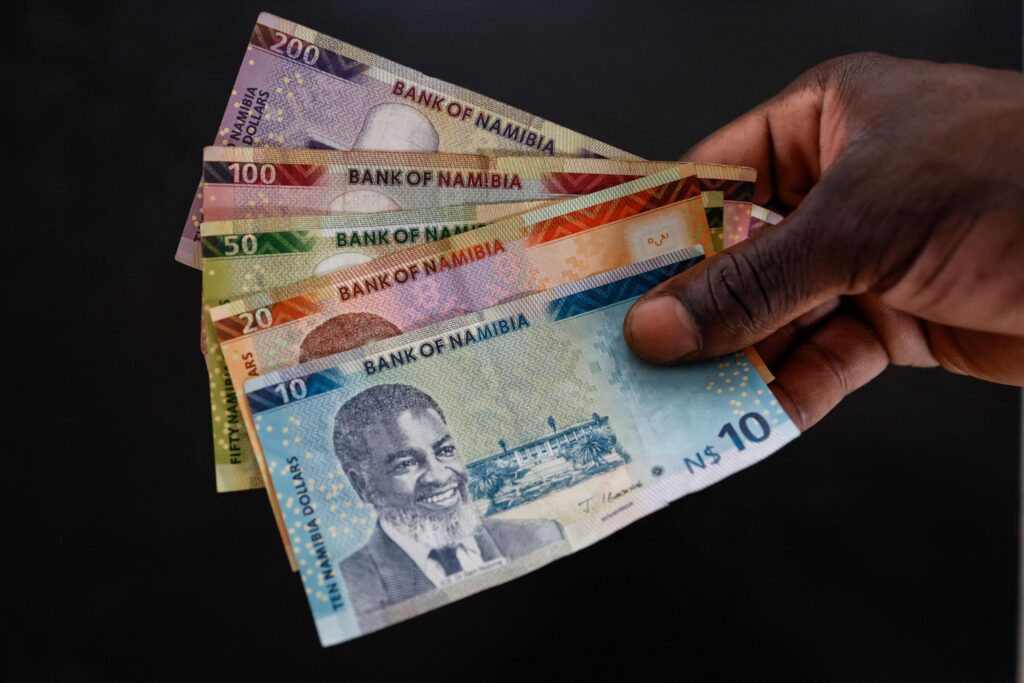
The Namibian dollar is pegged one-to-one with the South African rand, giving it similar value. Namibia’s economy is driven by mining, fishing, tourism, and agriculture, with the peg providing exchange rate stability.
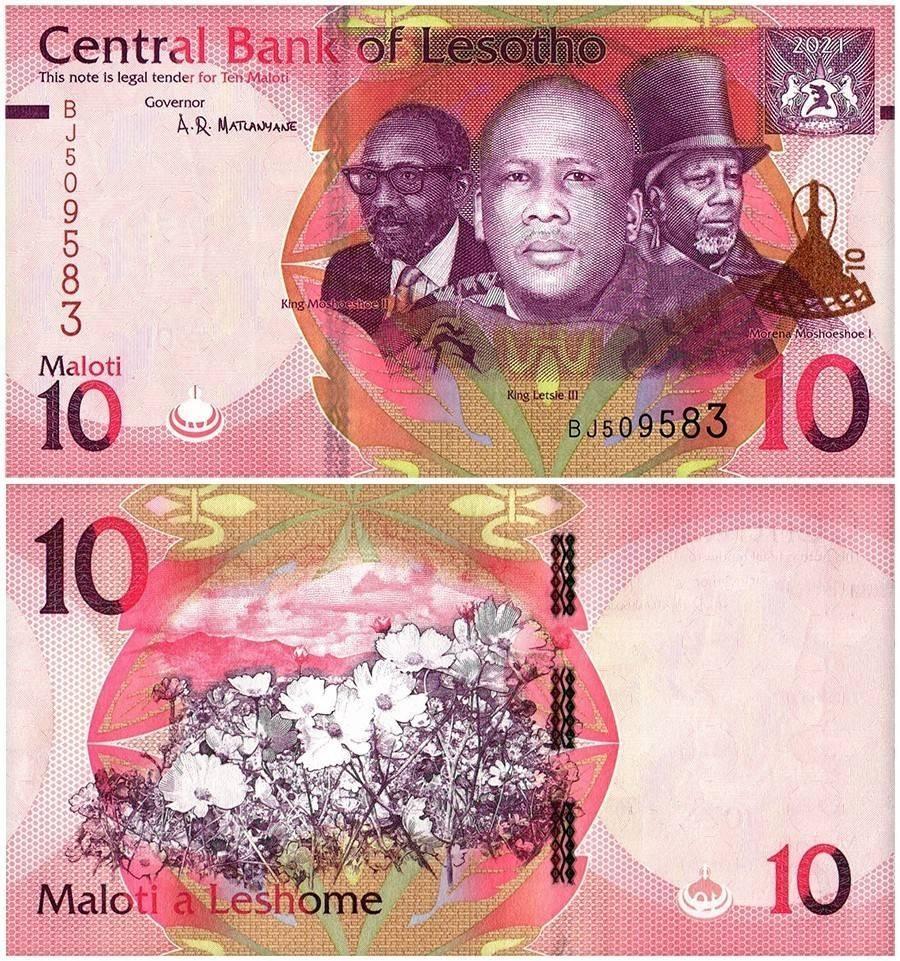
The Lesotho loti is also pegged to the South African rand. Lesotho relies on textile manufacturing, agriculture, and remittances, while its currency benefits from monetary integration with South Africa through the Common Monetary Area.
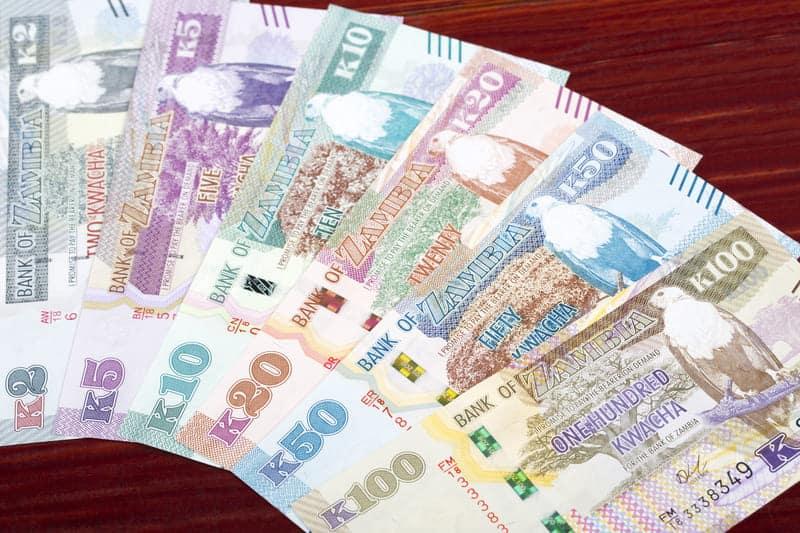
The Zambian kwacha ranks among Africa’s stronger currencies. Zambia’s economy is heavily dependent on copper mining, one of the country’s largest export earners. Government efforts to stabilize inflation and restructure debt have helped improve confidence in the kwacha.