

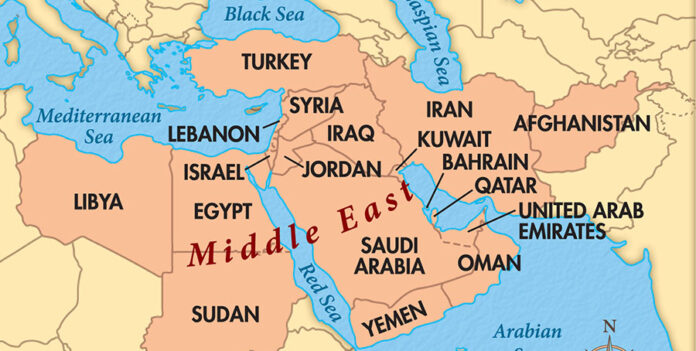
The drums of war are beating louder across the Middle East, and in the shadows of the explosions, women and girls are paying a steep and heartbreaking price. UN Women has sounded a grave warning over the crushing toll the latest military escalation is taking on the region’s most vulnerable.
In a strongly worded statement on Friday, the agency aligned with António Guterres in welcoming the announcement of a two-week ceasefire brokered by the United States and Iran. Yet, even as that olive branch emerged, fresh waves of Israeli airstrikes in Lebanon have cast a long, dark shadow over hopes for calm.
UN Women stressed that peace must not be built on shaky ground, insisting it must safeguard the rights, safety, and dignity of women and girls, those too often caught in the crossfire.
The human cost, the agency noted, has been nothing short of devastating. On February 28, 2026, the day tensions boiled over, 168 schoolgirls were reportedly killed when a strike tore through a primary school in Minab, Iran. Since then, the grim tally has only climbed.
“Since then, hundreds more women and girls have reportedly lost their lives.
“204 women have been killed in Iran, while in Lebanon, 102 women were reported killed prior to the heavy bombardment on April 8.
“Casualties among women and girls have also been reported in Bahrain, Iraq, Israel, Kuwait, the occupied Palestinian territory, and the United Arab Emirates.”
Beyond the body count lies another silent crisis: mass displacement. Like leaves scattered by a violent storm, millions have been forced to flee. UN Women estimates that as many as 1.6 million people have been uprooted in Iran, with another 620,000 displaced in Lebanon.
For women and girls, this upheaval is a double-edged sword. It pushes them into overcrowded, unsafe shelters while cutting them off from healthcare, protection services, and means of survival. The collapse of civilian infrastructure has only poured fuel on the fire, choking access to clean water, safe housing, and other essentials.
“Even before the escalation, humanitarian needs were already critical with an estimated 50,000 pregnant women in Gaza and 70,000 in Lebanon requiring maternal health services, with many facing significant barriers to care.
“Damage to hospitals and health systems is expected to worsen access to life-saving services.”
Women’s rights groups, often the unsung heroes in times of crisis, are also being stretched to breaking point. Operating in an increasingly hostile environment, they face dwindling funds, rising threats, and shrinking civic space.
“Women human rights defenders have reportedly faced intimidation, arbitrary arrest, detention, and, in some cases, lethal violence.”
Despite the storm, UN Women says it is stepping up its presence across the region, rolling out protection services, livelihood support, and coordination efforts, while ensuring that women are not mere spectators but key players in rebuilding shattered communities.
The agency, however, made it clear that temporary calm is not enough. It called for immediate de-escalation, full protection of civilians, and unfettered humanitarian access, stressing that the fragile ceasefire must not be a fleeting pause but the first brick in building a lasting peace.


