

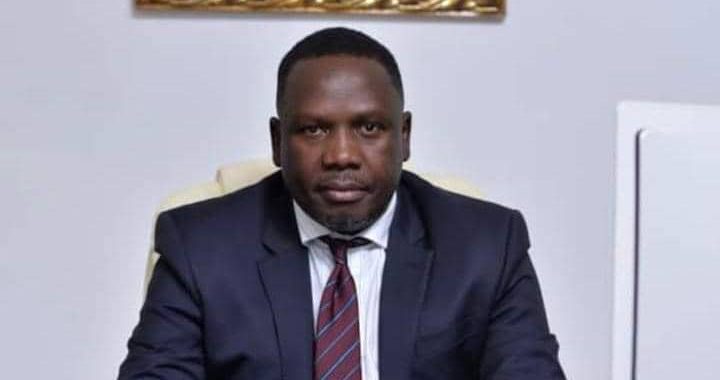
Special Adviser to President Bola Tinubu on Media and Policy Communication, Daniel Bwala, has attributed the slow pace at which Nigerians are feeling the impact of ongoing economic reforms to the country’s large population and deep infrastructure gap.
Speaking in an interview with Arise News, as monitored by The News Chronicle, Bwala said that while government revenue has improved, the resources available are still stretched thin against the needs of over 230 million citizens and decades of underdevelopment.
He noted that economic recovery under the Tinubu administration will be gradual, describing it as a steady and consistent process driven by the scale of national challenges.
According to him, increased federal revenue has led to higher allocations to states, which he said is already reflecting in improved governance, infrastructure delivery and public services in several parts of the country.
Bwala pointed to key federal programmes such as the Nigerian Education Loan Fund (NELFUND), the Compressed Natural Gas (CNG) transport initiative, free Caesarean section support, and dialysis subsidies as targeted interventions designed to ease hardship for ordinary Nigerians.
He stressed that the impact of reforms should be assessed through data and long-term indicators rather than immediate public perception, noting that structural changes often take time before they are felt at household level.
On security, Bwala said the administration has stepped up military operations against terrorists, bandits and kidnappers, citing recent air strikes, rescue missions and arrests carried out across the country.
While acknowledging that insecurity remains a major concern, he insisted that security agencies are making progress and continue to work under difficult conditions to protect citizens.
He added that although Nigerians are understandably focused on kidnappings, killings and economic hardship, the gains being recorded by security forces and government interventions should also be recognized.


