

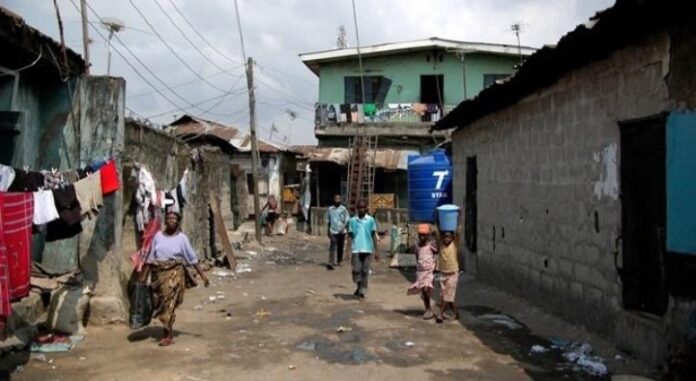
Residents of Kaduna have raised alarm over a sharp rise in house rents, saying the trend is worsening economic hardship and forcing many families to relocate to more affordable communities.
A News Agency of Nigeria (NAN) correspondent reports that rental prices across the state have climbed significantly in recent years, driven by rising demand for housing, higher construction costs, and additional tenancy-related charges.
Self-contained apartments and one-bedroom flats now go for about N500,000 to N900,000 annually in some areas, while two- and three-bedroom apartments range between N1.2 million and N2.5 million. Detached houses in high-demand neighbourhoods attract several millions of naira yearly.
Many residents say the increases have become unsustainable, especially for civil servants, artisans, and small business owners.
“I now spend a huge part of my income on rent. Houses that were once affordable are now out of reach,” said Ibrahim Sani, a resident of Kawo, who noted that rent in parts of Kaduna North has risen by as much as 100 per cent.
He added that tenants are often confronted with steep renewals, despite no improvements in housing conditions.
For others, the burden goes beyond rent. Rabi Musa, another resident, said agency fees, legal charges, and other “hidden costs” significantly inflate the total cost of securing accommodation.
“Sometimes the extra charges are almost as heavy as the rent itself. Many people even borrow just to get a place,” she said.
The pressure has also triggered movement to cheaper outskirts such as Kikinau, Rafin Guza, and Rigasa, as families seek relief from rising costs.
A trader in Unguwan Dosa, Suleiman Garba, said shared living and relocation have become common coping strategies.
“People are adjusting however they can. Some are moving out of central areas entirely,” he said.
Residents are calling on government and housing stakeholders to intervene by promoting affordable housing and regulating excessive charges in the rental market.
Housing analysts attribute the surge to inflation, rising material costs, and rapid urban population growth. However, residents insist that stronger regulation and increased investment in low-cost housing are urgently needed to ease the burden on tenants.


