

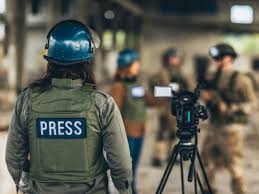
UNESCO, which stands for the United Nations Educational, Scientific and Cultural Organization, has made a commitment to deal with problems like harassment, violence, and crimes against journalists. From January 2019 to June 2022, they recorded 759 attacks on journalists, including 5 killings, during 89 elections in 70 countries.
Dr. Rita Bissounauth, the Liaison Director of UNESCO in Addis Ababa, Ethiopia, spoke to African journalists about the dangers they face. She mentioned that journalists are often imprisoned, abused, or even killed while doing their jobs. Stressing the important role journalists play in a democracy, she stated that UNESCO will focus on creating a system to monitor and report incidents to ensure journalists’ safety in Africa.
This effort, she added, will involve using Artificial Intelligence and other modern tools. During a presentation, Dr. Abimbola Oyetunde, a Nigerian journalist from Radio Nigeria, called for collaboration between governments, tech companies, civil society, and the international community to make the working environment safer for media professionals.
Dr. Oyetunde discussed various issues, including cyber threats, online harassment, legal protection, international cooperation, digital literacy, and the need for accountability. Hlengiwe Dube, a South African Radio Journalist, expressed appreciation for UNESCO’s program. She specifically praised the development of a mapping tool to document violations against journalists, considering it an incredible initiative.
The event focused on enhancing the skills and abilities of participants, bringing together representatives, experts, and journalists hailing from various regions across the African continent. This comprehensive capacity-building gathering aimed to provide valuable training to these individuals, equipping them with the necessary knowledge and techniques for effectively reporting crimes committed against journalists.
The training sessions specifically incorporated the utilization of modern technologies, ensuring that participants gained proficiency in employing contemporary tools and methods to address the challenges faced by journalists in the context of criminal incidents. The inclusive nature of this event fostered collaboration and shared learning among diverse stakeholders, contributing to the broader goal of fortifying the journalistic community’s resilience and preparedness in the face of evolving threats.


