

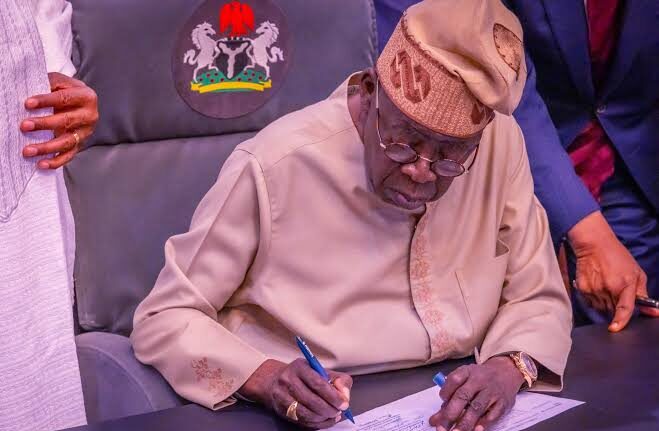
Nigeria’s external debt has ballooned by around $11.4 billion since President Bola Ahmed Tinubu took office as the Federal Government taps into fresh borrowing to fund economic reforms and a huge deficit.
Nigeria’s external debt grew to around $43.1 billion in May 2023 to approximately $54.5 billion by June 2026, as reported by Nairametrics.
The News Chronicle reports that the growth has been driven largely by new World Bank financing, Eurobond issuances and syndicated loans, while the government has also tapped into other external financing avenues.
READ ALSO: Dangote Projects Expands Fleet To Nearly 7,000 Machines
Nigeria’s World Bank debt jumped to $15.4 billion to about $20.7 billion during the period, following several major loans for economic reforms, education, agricultural and resilience programmes.
The country also raised $2.2 billion through Eurobonds in December 2024 and another $2.35 billion in November 2025.
Meanwhile, Nigeria secured a $1.8 billion syndicated loan from First Abu Dhabi Bank and has accessed $1.5 billion from a wider $5 billion derivatives financing arrangement.
Domestic borrowing has also swelled significantly, as domestic debt climbed from about N59.1 trillion to N91.5 trillion.
Nigeria’s total public debt hit N166.79 trillion by June 2026, indicating the immense burden of government borrowing.


