

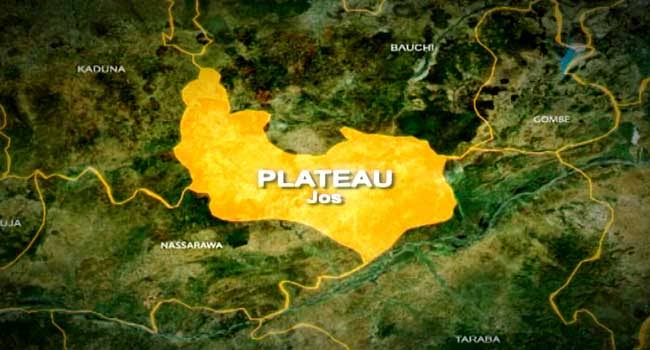
The Plateau State Internal Revenue Service (PSIRS) has announced a major milestone in the state’s revenue drive, recording N40 billion in internally generated revenue in 2025 for the first time and setting a target of N65 billion for 2026.
Speaking to journalists on Monday, the PSIRS Chairman, Dr Jim Wayas, said the agency achieved 94 per cent of its budget performance in 2025 the highest since its establishment attributing the growth to improved systems and tax reforms.
He noted, however, that revenue performance among ministries, departments and agencies (MDAs) remained uneven.
Dr Wayas explained that the ongoing tax reforms are aimed at easing the burden on taxpayers, not increasing it. Key changes include an enhanced grant relief allowance capped at N500,000 and an increase in the zero-rated income threshold to N800,000 from the previous N300,000.
He also disclosed that capital gains tax has been restructured to align with income tax rates, which could result in zero tax liability for individuals within the zero-rate income bracket.
According to him, PSIRS has fully automated its operations, eliminated cash collections, and significantly reduced revenue leakages.
On mining revenue, the chairman said Plateau State faces difficulties in taxing mining activities due to the Federal Government’s exclusive control over mineral resources.
He added that efforts are ongoing to identify individuals and companies involved in mining, using banking transactions as leads to bring them into the tax net.
Dr Wayas stressed that the N65 billion revenue target for 2026 will be achieved by expanding the tax base rather than increasing taxes for existing taxpayers.
He added that the new tax law seeks to address multiple taxation by reducing the number of taxes and consolidating collections through a single demand notice in collaboration with local governments, though implementation remains challenging.
He further noted that tax defaulters are being handled through administrative and legal processes, including demand notices and Alternative Dispute Resolution (ADR), to resolve liabilities without resorting to prolonged court cases.


