

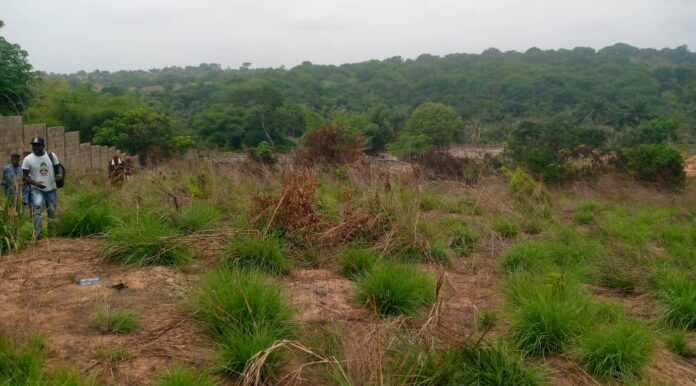
In the face of deepening poverty and devastating insecurity, where should Nigeria’s rural populace go? For two decades now, Nigerians have had to grapple with debilitating insecurity. All over the country, terrorist attacks have become an all-too-common occurrence, uprooting entire communities and redefining lives. The problem has become so bad that Nigerians have come to accept terrorism as their daily reality.
For those who live in Nigeria’s rural areas, life as they knew it has become a living, waking nightmare. For many years, they had peace and tranquility even in the midst of very little. While electricity, water, good roads, hospitals, and economic opportunities remain a mirage for many rural areas, they could always count on the kind of quiet and serenity that those crammed into the chaos of urban areas could only dream of. Until now.
These days, when terrorists cowardly slink out of the forests where they live like wild animals, their targets are easy, within reach, and very vulnerable. The men, women, and children who live on the fringes of this illusion called Nigeria are easy prey.
They swoop, they kill, they burn houses and barns, and abduct as many as they wish. Yet, in Nigeria’s capital cities, complicit and complacent government officials pore over endless security reports, completely clueless about what to do.
Nigeria’s urban areas are becoming increasingly congested. As with many other things, the Nigerian state does not know what to do about this. Every day, people move into urban areas in droves, with the government feigning confusion about why this is the case.
Yet, behind the decision of many rural dwellers to abandon their farms and families and seek unsettling shelter in unforgiving urban areas is a morbid fear for their lives. Those who choose to remain in Nigeria’s rural areas must not only bear the brunt of hunger and underdevelopment; they must contend with often deadly and devastating insecurity. This is the horrid reality rural Nigerians are living.
The horrifying underdevelopment of Nigeria’s rural areas has been systemic. It began when the local government system in Nigeria failed to lift, casting dark shadows over Nigeria’s neediest people. While the 1999 Constitution recognizes three tiers of government, making clear constitutional provisions to protect local governments, state governments have made sure that they have remained strangled and suffocated, the judgment of the Supreme Court on local government autonomy notwithstanding.
In that time, schools have fallen into disrepair, as have hospitals and bridges. While government in Nigeria has generally faltered, those at the grassroots have been completely cut adrift.
These gaps in human and infrastructural development are what terrorists have been ruthlessly exploiting, turning many peaceful rural dwellers into IDPs. This simply cannot be allowed to continue.
People largely become vulnerable when governance fails. When there is no development, a vacuum is left for the enemies of the state to explore and exploit. This is what is happening to Nigeria’s rural communities at the moment.
The country must act fast to systematically safeguard its rural citizens, who have been systemically excluded for years and have become fodder for terrorists. But it is highly doubtful that a country crippled by so many handicaps can act swiftly and decisively.
Ike Willie-Nwobu is a policy analyst and social thinker. He can be reached at Ikewilly9@gmail.com.


