

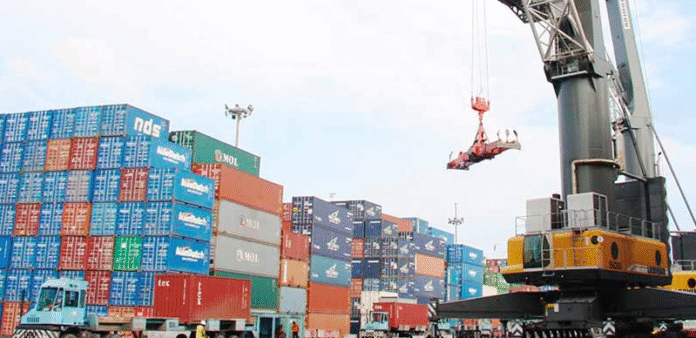
Following the deployment of the electronic call-up system, Etò, which has reduced truck traffic into Nigeria’s busiest ports, the maritime industry is experiencing remarkable cost savings and efficiency improvements.
By 65 percent, the invention has reduced the cost of transporting products and saved the industry about $1.7 million a year.
Since its introduction in 2021, Trucks Transit Parks (TTP) Limited claims the system has handled over 3.2 million non-port and port truck movements.
Prior to its launch, erratic gridlock from Apapa across Surulere turned cargo evacuation a nightmare, with expenses rising by over 500%. Often waiting for access for weeks, truck drivers paid massive amounts in off-the-record payments only to transfer goods.
The Press Chronicle knows that truck turnaround time fell from weeks to only a few days when the digital platform went into operation.
This change has reduced the financial burden on logistics companies and consumers who had long endured the covert costs of congestion in addition to restoring efficiency for producers.
TTP said the project has also opened up fresh possibilities by offering 225 direct jobs and over 700 indirect positions throughout the logistics value chain. Beyond Lagos, the firm has found traffic problems in additional commercial centers, including Cross River and Jigawa, with plans to build logistical facilities throughout.
To help drivers, these venues will provide hostels, refueling stations, repair shops, secure truck parking areas, and recreational areas.
Managing Director Jama Onwubuariri stated that Etò’s interaction with the Central Bank of Nigeria’s export revenues platform has increased transparency and simplified export paperwork.
With talks going on in ECOWAS nations to duplicate the model and boost cross-border commerce, he said that the company is likewise considering regional expansion.
DirectFund, a simple booking and payment solution that has helped reduce fraudulent tickets and unsuccessful payments, is among more than 170 digital products TTP has introduced.
Ticket theft under the new dual-code system has dropped to less than 0.5 percent, even if failed transactions have reduced from 10 percent to less than 1 percent.
Apart from saving money for Nigeria’s maritime sector, these inventions are also helping to establish a modern logistics network able to be competitive both locally and globally.


