

Nigeria’s inflation rate recorded a slight decline in February 2026, easing to 15.06 percent from 15.1 percent in January, according to the latest data released by the National Bureau of Statistics.
Even as underlying pressures persist across key sectors of the economy, the marginal decrease indicates a slowing in the overall rate of price increases.
Inflation has decreased dramatically from the 26.27 percent recorded in February 2025, indicating a remarkable year-on-year improvement.
Although this relieving trend is apparent, recent figures indicate that monthly price pressures are still growing; in February, inflation climbed by just over two percent.
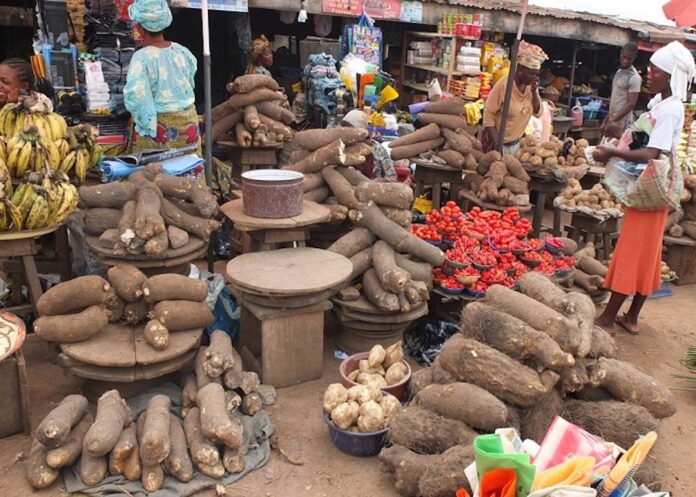
In particular, food prices showed a significant rise, fueled by increases in key items like beans, cassava, and yam flour.
The News Chronicle gathered that rising transportation costs and ongoing security issues keep food supply chains disrupted, thereby driving up local market prices.
While the present numbers show development in stabilising the economy, analysts predict that the rebound in food inflation could necessitate new policy initiatives to maintain the fall pattern.
Stronger backing for agriculture, including subsidies and improved logistics, has also been demanded by industry stakeholders to help lower production costs and ensure more stable food prices across the country.


