

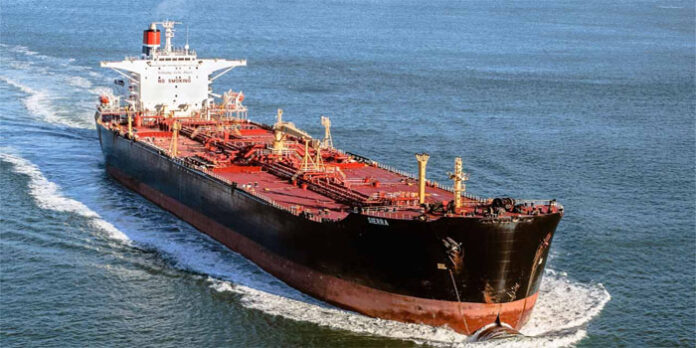
Nigeria’s expenditure on imported petroleum products reached N1.28 trillion in the third quarter of 2025, according to fresh data released by the National Bureau of Statistics on Thursday.
Although the figure marks a decline from the N2.3 trillion recorded in the previous quarter, it reinforces the country’s continued dependence on foreign fuel supplies despite ongoing refinery expansion efforts.
The News Chronicle gathered that the drop in Q3 spending reflects a mix of reduced import volumes and shifting global oil dynamics rather than any significant improvement in domestic refining output.
Analysts say the country is still grappling with supply gaps, high crude prices and lingering pressure on the foreign exchange market.
A review of Nigeria’s fuel import trend over the past five years shows a sharp escalation in costs. Spending rose from N2.01 trillion in 2020 to N4.56 trillion in 2021, then surged further to N7.71 trillion in 2022.
A slight reduction followed in 2023, but costs hit a historic high of N15.42 trillion in 2024, driven largely by the steep depreciation of the naira.
Recent developments in the refining sector may modify the long-run projections. Becoming the largest refinery in the world, Dangote Refinery unveiled an ambitious plan in October to boost production from 650,000 barrels per day to 1.4 million barrels per day.
The Federal Government has labeled the expansion a transforming development that may enable Nigeria to satisfy its domestic fuel needs and even provide other nations.
According to OPEC data, Nigerian crude production in November also increased marginally to 1.436 million barrels daily.
Additionally citing a change in national demand trends, official figures showed that gasoline use decreased to 52.9 million litres daily.


