

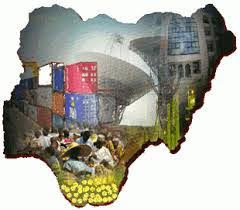
Nigeria, with its vast resources and dynamic population, has experienced a complex economic landscape. The nation, located in West Africa, is rich in oil reserves, a significant factor in its economic structure. However, this heavy reliance on oil has made the Nigerian economy susceptible to global oil price fluctuations.
The oil sector plays a pivotal role, contributing a substantial portion to the country’s GDP and government revenue. This dependency, though, has left Nigeria vulnerable to the volatility of the global oil market. In times of oil price slumps, the economy faces challenges, impacting government finances and the overall economic stability.
Beyond oil, Nigeria has a diverse economy, with sectors such as agriculture, telecommunications, and services contributing significantly. Agriculture, once the backbone of the economy, has seen renewed attention with various initiatives aimed at increasing productivity and reducing dependence on oil. This sector not only provides employment to a large portion of the population but also contributes to food security.
The telecommunications sector has experienced rapid growth, with mobile penetration expanding across the country. This technological advancement has not only improved communication but has also opened up opportunities for innovation and entrepreneurship, contributing to economic development.
Challenges persist, however, including issues of infrastructure, corruption, and political instability. The inadequate infrastructure hampers the efficiency of various sectors, hindering overall economic growth. Addressing corruption and enhancing governance remain critical for sustainable economic development.
In recent years, Nigeria has taken steps to diversify its economy and attract foreign investment. Economic reforms and initiatives to improve the business environment aim to foster a more inclusive and resilient economy. Efforts to boost non-oil sectors, such as manufacturing and technology, are underway to reduce dependence on oil and create a more balanced economic landscape.
Despite these challenges, Nigeria possesses significant potential for economic growth. A burgeoning youthful population presents both opportunities and challenges. Harnessing the demographic dividend by investing in education, skills development, and job creation is essential for sustainable economic progress.
In conclusion, Nigeria’s economy reflects a mix of opportunities and challenges. While oil remains a crucial factor, diversification efforts, economic reforms, and investments in key sectors are paving the way for a more resilient and dynamic economy. Addressing structural issues and fostering inclusive growth will be pivotal for Nigeria to unlock its full economic potential in the years to come.


