

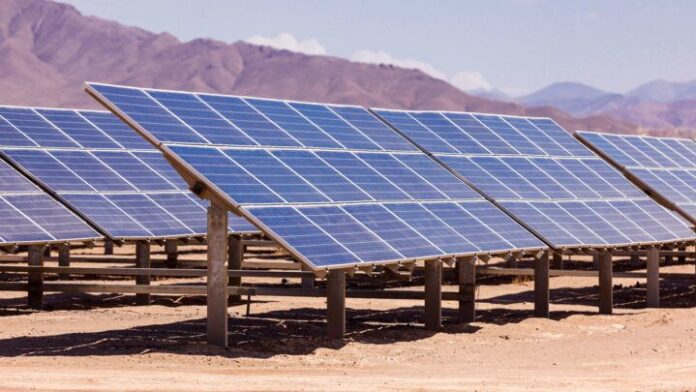
Nigerians with solar power systems may soon begin earning credits for excess electricity supplied to the national grid following the rollout of new regulations by the Nigerian Electricity Regulatory Commission (NERC).
The News Chronicle reports that the newly introduced Net Billing Regulations 2026 establish a framework allowing eligible electricity consumers to generate power from renewable energy sources, primarily solar, for personal use and to sell surplus electricity to distribution companies.
The initiative is designed to boost renewable energy adoption, strengthen electricity reliability, encourage private sector participation, and support Nigeria’s transition to cleaner energy sources. Under the scheme, customers known as “prosumers” can export unused electricity generated by their solar installations and receive credits at approved export tariffs.
According to NERC, participation is open to customers connected to distribution networks whose renewable energy systems meet regulatory and technical requirements. Eligible installations must have a minimum capacity of 50 kilowatt-peak and a maximum of 1.5 megawatt-peak, primarily targeting commercial and industrial users.
Interested participants must obtain approval from their distribution company, undergo a technical feasibility assessment, and sign a net billing agreement before registering.
The commission also disclosed that approved users will receive bidirectional meters capable of measuring electricity consumed from and supplied to the grid, ensuring accurate compensation for exported power.


