


Nigeria’s naira started July on a strong note with little appreciation across different windows of the foreign exchange despite the Central Bank of Nigeria maintaining its determination to support the foreign exchange environment with policy intervention and liquidity injection.
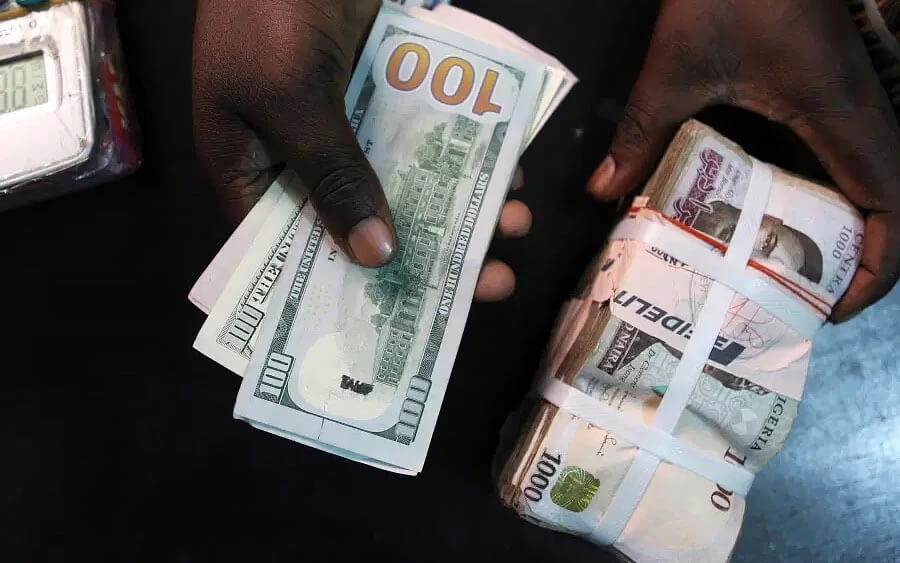
On Tuesday’s opening day of trading in July 2025, the naira appreciated a fraction to close against the dollar at ₦1,529.57 from the last close of ₦1,529.71, Central Bank reports stated. The appreciation, as small as it may seem, comes on the heels of a recent pattern of modest but sustained rises.
Also, on the parallel or black market, naira gained ₦10, to ₦1,560 per dollar, from ₦1,570 last Monday. The 0.6 percent appreciation is an indicator of growing confidence in the hands of operators because the conditions for the selling of dollars have begun to improve.
One of the impetuses for this rally has been a flow of dollars, and it has been led by foreign portfolio investors. Access Bank recently credited that increase in membership on the sell side and improved external flows to cushion the mismatch between demand and supply to fuel the naira.
In the short term, experts mention that if this is the rate at which we can proceed for additional stability in the coming two months, the issue would be how to continue to source the capital inflows without providing a smokescreen for regulators to hide behind.
Irrespective of how competitively the relative position of the economies of either of them stands in Africa, the position of the continent is skewed. Nigeria’s naira was also among the worst performing currencies in 2024, depreciating over 131 percent over a one-year period, according to the latest statistics reported by Afreximbank. The naira depreciated from ₦636.13 to ₦1,474.60 for one US dollar during the period due mainly to FX unification policies, inflation, and dollar shortages to sell.
The other African currencies that experienced sharp depreciations are the South Sudan pound and Zimbabwe dollar, both of which are plagued by structural economic issues and unstable macroeconomic factors. In the such as Ethiopia, Malawi, and Egypt, the same drivers by inflation and external debt led to drastic devaluations of the currency, while Ghana’s cedi and Zambia’s kwacha also experienced sharp depreciations following fiscal consolidation and tight access to foreign capital.
Although prospects for some naira appreciation in recent times are existent in Nigeria, there is still a long way to go for full recovery. For sustained currency appreciation, Nigeria would nevertheless need to provide enduring reforms, investor-friendly policy, and macroeconomic stability for domestic productivity and foreign capital inflow.


