

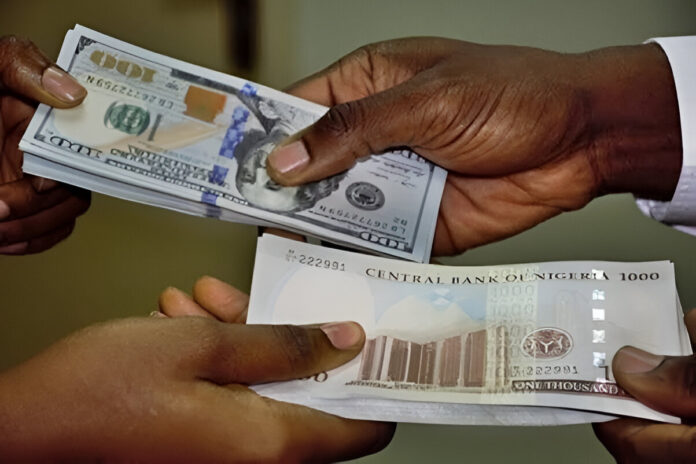
Nigeria’s currency recorded another mild decline against the United States dollar last week as pressure in the foreign exchange market continued to weigh on the economy.
The naira weakened in both the official and parallel markets, settling around N1,371 per dollar amid persistent demand for foreign currency.
The most recent change occurs as companies, manufacturers, and import dependent businesses struggle with growing production expenses and limited foreign currency availability.
Analysts assert that the situation is fuelling inflation worries and undermining investor confidence throughout important economic sectors.
Nigeria’s foreign reserves saw a modest rise this week, reaching about $48.54 billion. Financial analysts, however, think the increase is too slight to materially reduce strain on the naira as demand for dollars from importers, airlines, and manufacturers continues to outstrip supply.
Simultaneously, following fresh geopolitical tensions involving Iran and anxieties of possible disruptions in the Middle East oil market, global crude oil prices surged dramatically. Nigeria’s Bonny Light crude also surged, briefly boosting government revenue and foreign currency inflows.
Analysts cautioned that even with the increase in oil prices, the naira could still be vulnerable because of structural problems with Nigeria’s FX market, such as low capital inflows and ongoing reliance on oil revenues.
Sentiment among fixed income investors likewise remained wary in the face of inflation and monetary policy worries.


