

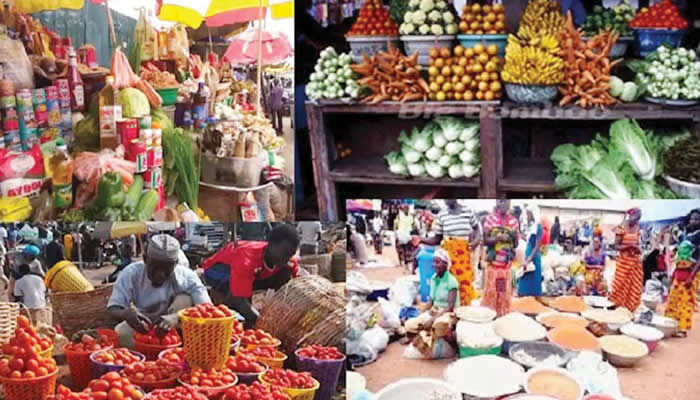
If you ask me two years ago can an average Nigerian eat healthy without going broke I would have laughed and pointed at a plate of rice and beans. Today I still eat rice and beans but I am asking the question for real because healthy now comes with a price tag that bites.
I am a regular middle class Nigerian. Salary comes on the 28th, rent just swallowed half of it, fuel for my car and generator took another chunk, and what is left has to feed me, my wife and our two kids for 30 days. The high cost of living makes every naira count. Transport is up, light bill is up, even pure water is up. So when nutritionists say eat more vegetables, lean protein, whole grains my first thought is at what cost.
Last Saturday at Wuse Market in Abuja I priced things for a healthy week. For protein a kilogram of chicken breast is about ₦5,000. Tilapia fish is ₦3,500 per kilogram. Beans is still the poor man’s protein and a paint bucket is ₦2,800. Eggs a crate of 30 pieces is ₦5,200. Compare that to ₦2,000 for frozen chicken laps that will last two meals. Lean protein loses when your budget is tight.
Vegetables and fruits tell another story. Ugu, spinach and bitter leaf are still our advantage but a big bunch now goes for ₦700 to ₦1,200 depending on season and vendor. That is higher than before but still cheaper than imported greens. Broccoli one small head is ₦2,500, bell peppers four pieces for ₦1,000, and apples one piece is ₦800. If healthy means imported greens and fruits my wallet cries.
Carbs are not left out. A typical measure of white rice, what we buy as one paint cup, is ₦2,000 now. Brown rice for the same measure is higher at about ₦3,800. Oats one small pack is ₦4,500. Whole wheat bread one loaf is ₦2,200 while regular bread is ₦1,200. The better carb always costs almost double.
So for one week of grilled fish, vegetables, oats for breakfast and brown rice I will spend close to ₦25,000 just for me. For the whole family multiply by four and add snacks. That is more than my monthly electricity bill in this economy.
But expensive depends on what you call healthy. Nigerian healthy food is not expensive. Imported healthy food is. My mother never knew keto or superfoods but she fed us beans, moi, boiled yam with vegetable soup, roasted corn, garden eggs and oranges from the roadside. That diet is balanced, high in fiber and cheap. One measure of rice, a bunch of ewedu, some shombo and one kilogram of mackerel fish will make stew and swallow that feeds four people. Add boiled eggs and you have hit protein targets.
The problem starts when healthy on Instagram means quinoa, chia seeds, almond milk and Greek yogurt. None of those grow in my compound. And when the naira weakens imported health foods become luxury items.
It is not just food prices. Time is expensive too. After closing at 6pm and facing Abuja traffic who has energy to wash, slice and cook fresh vegetables daily. It is easier and cheaper in time to buy suya and bread. Plus PHCN. If I buy tomatoes and greens today will I have light to keep them fresh till Thursday. Fridge time means fuel and fuel means money in this high cost of living season.
So is it cheap or expensive. Honest answer. It can be cheap if you eat Nigerian. It is expensive if you eat aesthetic. For ₦15,000 a week I can eat beans, yam, plantain, seasonal vegetables, eggs and local fish and stay healthy. For ₦15,000 I cannot do smoothies, salads with imported nuts and grilled salmon for three days.
The real struggle is access and convenience not just price. Markets with cheap fresh produce are far. Processed food is everywhere and fast. Nutrition education is low so healthy feels foreign.
What would help people like me. Make local food the hero of healthy eating campaigns not imported diets. Stabilize food prices and reduce post harvest loss so vegetables do not rot before reaching me. Reliable electricity. A working fridge makes buying fresh food in bulk possible.
Until then I will keep doing what most middle class Nigerians do. Compromise. Beans on Monday, rice on Tuesday and when salary drops maybe that broccoli. Because in Nigeria today eating healthy is possible. But staying healthy without stressing your bank account that is the real balancing act.


