

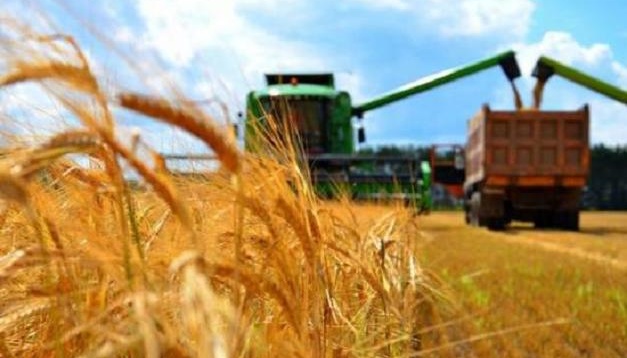
Ghana has joined Nigeria and other African countries in prohibiting the export of specific crops, such as rice, maize, and soy, in an attempt to avert a food scarcity brought on by the drought.
Speaking to reporters in Accra on Monday, the nation’s agriculture minister, Bryan Acheampong, revealed that up to 1.8 million hectares of land could be at risk across six impacted districts, mostly in the north.
Almost half of the farmers who cultivate food on that land have already felt the effects.
A region that produces over 62% of Ghana’s grain production is more at risk of crop failure due to the past two months’ drought and near-drought conditions. The nation’s food security and the livelihoods of over 928,000 farmers are in jeopardy due to the extreme drought conditions that are putting the agricultural sector in danger of collapsing.
“We are forecasting a significant shortfall in grain availability; without any interventions, this could lead to a nationwide food shortage,” stated the nation’s minister of agriculture.
Finance Minister Mohammed Amin Adam said on Monday that Ghana plans to raise $500 million to lessen the effects of the grain scarcity, including roughly $155 million from the World Bank and other development partners.
The Minister stated that the government intends to utilize the money to compensate the impacted farmers with payments of 1,000 cedis per hectare.
In response, to counteract the possible adverse impacts of the export prohibition, the government is initiating a scheme to buy farmers’ current grain holdings. The government intends to work with the business sector to import up to 300,000 metric tonnes of maize and 150,000 metric tonnes of rice from the ECOWAS Grain Reserve to stabilize the food supply.
Furthermore, the government is launching a replanting program that will give farmers who lost their crops to the drought fast-maturing seeds and fertilizers.
What to note
To improve food security, Ghana is restricting grain exports this year, joining nations like Nigeria and the Ivory Coast. This decision was made in the wake of severe drought conditions that devastated crops in southern Africa, where February was the driest month in at least 40 years.
President Tinubu of Nigeria ordered the Nigeria Customs Service (NCS) to stop food exports to other nations in February to boost domestic supply and lower food prices. This policy is an application of the nearly thirty-five-year-old Export Prohibition Act.
The Sub-Saharan area has seen extreme food shortages and inflation in recent years due to disruptions in global supply chains caused by the aftermath of the Russia-Ukraine war, as well as droughts and unseasonable weather brought on by climate change.


