

The global campaign against HIV is staring into a gathering storm, with the Joint United Nations Programme on HIV/AIDS (UNAIDS) warning that prevention efforts are suffering their most severe setback in decades as funding streams dry up and critical interventions are scaled back.
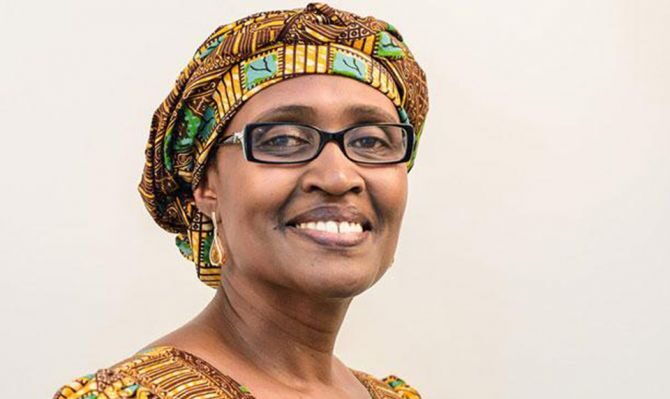
Speaking during an assessment of the global HIV response in New York, UNAIDS Executive Director Winnie Byanyima painted a troubling picture of a system struggling to stay afloat amid shrinking financial support.
According to her, HIV testing rates have dropped by 22 percent in high-burden regions, leaving millions unaware of their status and allowing the virus to continue spreading beneath the radar.
She revealed that funding for condoms has nosedived by more than 90 percent in some countries, describing the development as a major blow to prevention programmes.
“Prevention is being dismantled at the very moment we should be scaling innovations like new long-acting medicines,” Byanyima said.
She further noted that development finance recorded a 23 percent decline in 2025, which she described as the steepest drop ever recorded by the Organisation for Economic Co-operation and Development (OECD).
Byanyima warned that low-income nations carrying the heaviest HIV burden are bearing the brunt of the funding crisis. She added that fresh UNAIDS figures released recently indicate growing vulnerability within the global response framework.
Echoing similar concerns, United Nations Deputy Secretary-General Amina Mohammed cautioned that hard-won gains against HIV could slip through the cracks as financial pressures and dwindling international support continue to mount.
While acknowledging the challenges, Mohammed reflected on the progress achieved through decades of global collaboration. She noted that collective efforts over the last 45 years have reduced AIDS-related deaths by 70 percent from their 2004 peak and expanded access to lifesaving antiretroviral treatment to more than 32 million people worldwide.
However, she stressed that the fight remains far from over. UN data shows that by the end of 2024, about 9.2 million people were still without access to HIV treatment, while 1.3 million new infections were recorded and 630,000 people died from AIDS-related illnesses.
“Funding cuts are directly affecting prevention efforts, and the community systems that are so essential to the response,” Mohammed said.
She called for urgent action in five critical areas, including expanding access to prevention and treatment services, strengthening community-led initiatives, safeguarding human rights, increasing financial commitments and revitalising international cooperation.
Mohammed also underscored the need to tackle stigma and discrimination, warning that shrinking civic space and persistent inequalities continue to place vulnerable populations at risk.
Participants at the meeting urged governments to renew their commitment to eliminating AIDS as a public health threat by 2030 and to adopt a new Political Declaration that will shape the global HIV response over the next five years.


