

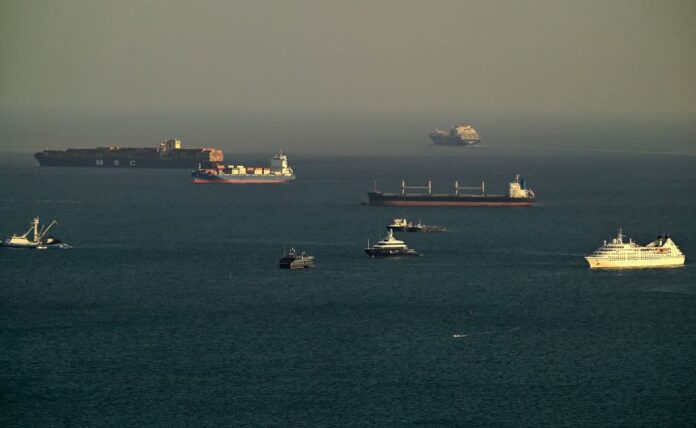
Iran abruptly reinstated restrictions on the Strait of Hormuz on Saturday, April 18, just hours after announcing the vital waterway had reopened, according to a statement from its military command.
The reversal came a day after Tehran declared the strait open following a ceasefire agreement in Lebanon aimed at halting Israel’s conflict with Hezbollah a move that briefly eased global energy markets and sent oil prices tumbling.
The Strait of Hormuz is a critical artery for global trade, handling roughly a fifth of the world’s oil and liquefied natural gas.
Tensions quickly resurfaced, however, after former U.S. President Donald Trump stated on Friday that Washington’s naval blockade of Iranian ports would remain in force until such time as our transaction with Iran is 100% complete, The News Chronicle gathered.
Tehran responded by warning it could once again shut down the strategic passage.
By late Saturday morning, Iranian state television, citing the military’s central command, confirmed that “control of the Strait of Hormuz has returned to its previous status, adding that the waterway is now under “strict management and control of the armed forces. The statement directly blamed the continued U.S. blockade for the renewed restrictions.
A spokesman for Iran’s Khatam al-Anbia central headquarters accused the United States of engaging in “piracy” and “sea robbery” under the guise of enforcement measures.
He warned that unless Washington lifts restrictions on Iranian shipping, access through the strait will remain tightly controlled, with no change to the current situation.


