

It goes without saying that the Nigerian economy is at a critical crossroads. Altered realities at home and changing dynamics on the international economic scene have caused critical shortages in foreign exchange . For more than half a century, we have relied on crude oil and natural gas for virtually all our foreign exchange, an inflow without which our economy would be grossly affected. A fact we witnessed in 2024 with the crash of the Naira due to the acute shortage of forex owing to the drop in crude oil production from a high of 2.1 million barrels per day to less than 1.5 million.
Despite the improved inflow of foreign exchange in recent months, the glaring fact remains that the era of Nigeria relying on hydrocarbon as its sole export and means of foreign exchange inflow is drawing to a close, and alternative road maps need to be drawn and executed; if the nation is to survive. The rise and mainstreaming of alternative energy sources has made that certain. Nigeria requires multiple streams of foreign income to be able to earn similar amounts currently derived from oil and gas export. One of such avenues is in the light manufacturing sector which includes industries manufacturing bags, footwear and clothing.
The South-Eastern city of Aba has for several decades hosted clusters of mega as well as cottage industries specializing in the manufacture of apparel. These factories have made affordable to the Nigerian lower classes, goods which would have been out of the financial reach of most Nigerians due to their cost, if imported. For instance, estimates from reputable survey bodies put the daily production of footwear from the Aba shoe cluster at 4 million per week with an average price of 3000 per pair. More amazing however, is the fact that about 50 percent of the footwear produced are exported to other West and Central African countries such as Cameroun. This presents an opportunity for Nigeria and the Aba apparel cluster to tap into the over $1.75 Trillion apparel market. A mere percentage of this trade volume can greatly boost our foreign earnings as a nation. For context, Vietnam earned a total of $71 Billion from export of shoes, clothes and bags in 2024 alone. Aba already has the nascent industry focused on export, proximity to markets like the Central African region, as well as an entrepreneurial and hard-working population. All that is required is for the federal and state governments of the respective states to harness and encourage the ecosystem utilizing various instruments.
The federal government should put in place a programme that provides loans interest-free or at low rates to players across the apparel value chain. This would enable the scaling up of operations and the production of clothing items in more quantity and quality to compete effectively in the international market. It would also attract the patronage of international brands who will outsource the manufacturing process to Nigerian manufacturers: patronage currently being enjoyed by apparel makers in countries like Bangladesh and Vietnam. The trajectory of the Beyond Clothing Brand based in Aba is a case in point. From modest beginnings, the brand has in recent years grown into a big player now exporting wears in large quantities to key markets such as the United States and Europe.
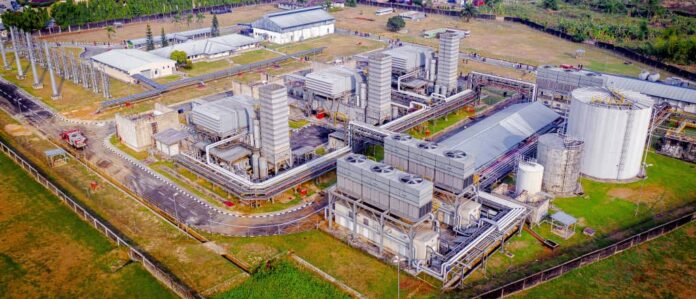
There should be a concerted effort by both the federal and state governments to improve the infrastructure supporting the apparel industry. Interstate and intra-state roads, rail, and electricity systems, as well as the Onne Sea Port in Rivers State, should be improved upon to enable the efficient and cost-effective production and transportation of items produced in Aba and Abia State in general. It is gratifying that the state government, as well as select private companies such as Geometric Power Aba, are already playing their part in constructing good roads as well as ensuring steady and reliable power supply in Aba, the heartbeat of the apparel industry.
Government at all levels should, as a matter of urgency, either work to resuscitate the moribund textile mills scattered around the country or, in the alternative, reduce import duties on textile imports into the country. This will greatly impact the cost of finished goods, which is a must if Nigerian products are to compete in the international market.
Nigeria is one of the few African countries to have a dynamic and entrepreneurial city, such as Aba, possessing the traits that propelled the Asian Tigers to first-world nations. It is only good economics that the government of the day not only recognizes this potential but maximizes it to create an alternative and more sustainable source of foreign exchange in an increasingly post-hydrocarbon world.


