

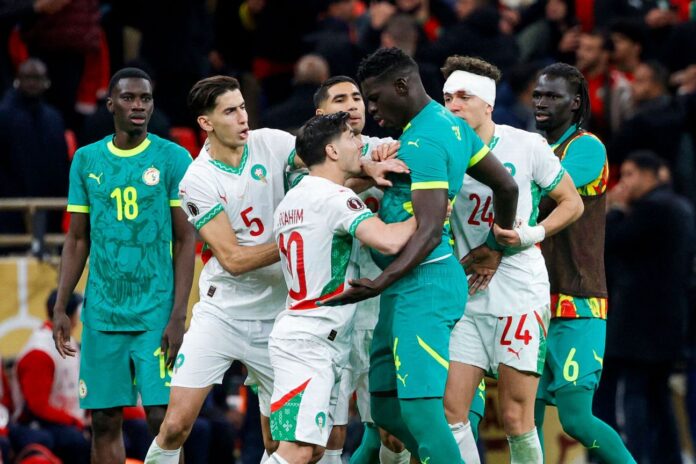
The president of the Confederation of African Football (CAF) has moved to defend the body’s integrity and impartiality after the Senegal government called for an international investigation over alleged corruption following CAF’s decision to strip Senegal of its Africa Cup of Nations title.
CAF president Patrice Motsepe said the organisation stands firmly by the ruling of its appeals board, which on Tuesday, March 16, overturned the earlier disciplinary decision and found that Senegal forfeited the final by walking off the pitch. The ruling converted Senegal’s 1–0 extra-time victory into a 3–0 default win for host nation Morocco.
Speaking in a video published on CAF’s website, Motsepe acknowledged the controversy but stressed that the governing body would respect due process as Senegal prepares to challenge the verdict.
“The CAF disciplinary board took one decision. The CAF appeals board took a totally different position,” Motsepe said. “I’m told that Senegal is going to appeal, which is very important. We will adhere and respect the decision that’s taken at the highest level.”
He further defended the structure of CAF’s judicial bodies, noting that members are drawn from nominees submitted by its 54 member associations and comprise highly regarded legal professionals across the continent.
“If you look at the composition of those bodies, they reflect some of the most respected lawyers and judges on the continent,” he said. “These are people who have integrity and have a track record… the independence is reflected by the decisions that were taken by the two bodies.”
The controversy stems from CAF’s earlier disciplinary ruling in January, which imposed fines exceeding $1 million on both the Senegalese and Moroccan football federations and handed suspensions to Senegal’s coach and several players, without altering the outcome of the final.
However, the appeals board later ruled that Senegal’s decision to abandon the match without the referee’s authorisation constituted a forfeiture, thereby awarding the title to Morocco with a 3–0 result.
Motsepe warned that incidents of this nature risk undermining CAF’s long-standing efforts to promote credibility, fairness, and ethical governance in African football.
“What happened in that final match undermines the good work that CAF has done over many years,” he said, adding that maintaining trust in officiating and competition outcomes remains central to the organisation’s mission.


