

Environmental changes, including deforestation, biodiversity loss and shifting rainfall patterns, are accelerating the spread of Lassa fever in Nigeria, a public health expert has warned.
Dr. Ekpereonne Esu, Associate Director of Cochrane Nigeria, made the observation on Thursday during a two-day Evidence-Based Healthcare Workshop and Media Roundtable in Calabar.
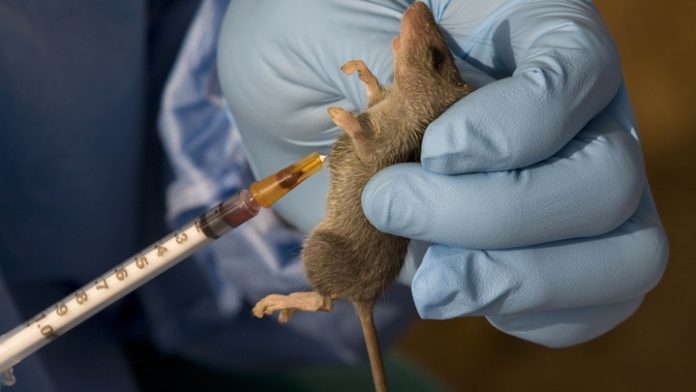
The News Agency of Nigeria (NAN) reports that Lassa fever is a viral haemorrhagic disease caused by the Lassa virus and transmitted primarily through contact with the urine, saliva or droppings of infected multimammate rats.
Esu explained that seasonal rainfall influences the movement of multimammate rats—the primary reservoir of the virus—into homes, increasing the risk of human exposure and infections, particularly during the rainy season.
He said human-driven environmental degradation has further worsened the situation by disrupting ecosystems that naturally regulate rodent populations.
“Biodiversity loss, caused by human activities, reduces natural predators that ordinarily control rat populations, allowing the rodents to multiply and spread infections more easily.
“Expanding farmland through forest destruction creates favourable habitats for rodents, making balanced land-use planning essential for reducing Lassa fever risks,” he said.
Esu advocated a One Health approach that integrates environmental, agricultural and public health policies to address the environmental and socioeconomic factors driving the disease.
He also identified poor housing conditions, inadequate sanitation and ineffective waste management as major contributors to rodent infestation in homes and communities.
According to him, improving environmental hygiene and living conditions is as important as strengthening the healthcare system in controlling outbreaks.
He called for increased investment in cleaner communities, improved housing and additional reference laboratories across the country to enhance early diagnosis and rapid response.
Esu noted that handling the Lassa virus requires specialised laboratory facilities because of its highly infectious nature, underscoring the need to expand Nigeria’s diagnostic capacity.
While expressing optimism over ongoing efforts to develop a vaccine, he urged Nigerians to continue adopting preventive measures such as proper food storage, regular handwashing and maintaining clean surroundings to minimise contact with rodents.
Also speaking, the Director of Cochrane Nigeria, Prof. Angela Oyo-Ita, said the organisation was building the capacity of journalists to improve public understanding of evidence-based healthcare.
She explained that evidence-based healthcare combines the best available scientific research with clinical expertise to guide treatment decisions, shape public policies and support informed health choices.
According to Oyo-Ita, systematic reviews evaluate and synthesise high-quality research while identifying potential biases, enabling healthcare professionals, policymakers and the public to determine the reliability of scientific evidence.
“The increasing volume of scientific publications makes evidence synthesis necessary for clinicians, policymakers, patients and researchers seeking dependable health information,” she said.
She urged journalists to accurately interpret and communicate scientific findings, noting that research has greater impact when translated into clear, accessible information that informs public health decisions.
Source:NAN


